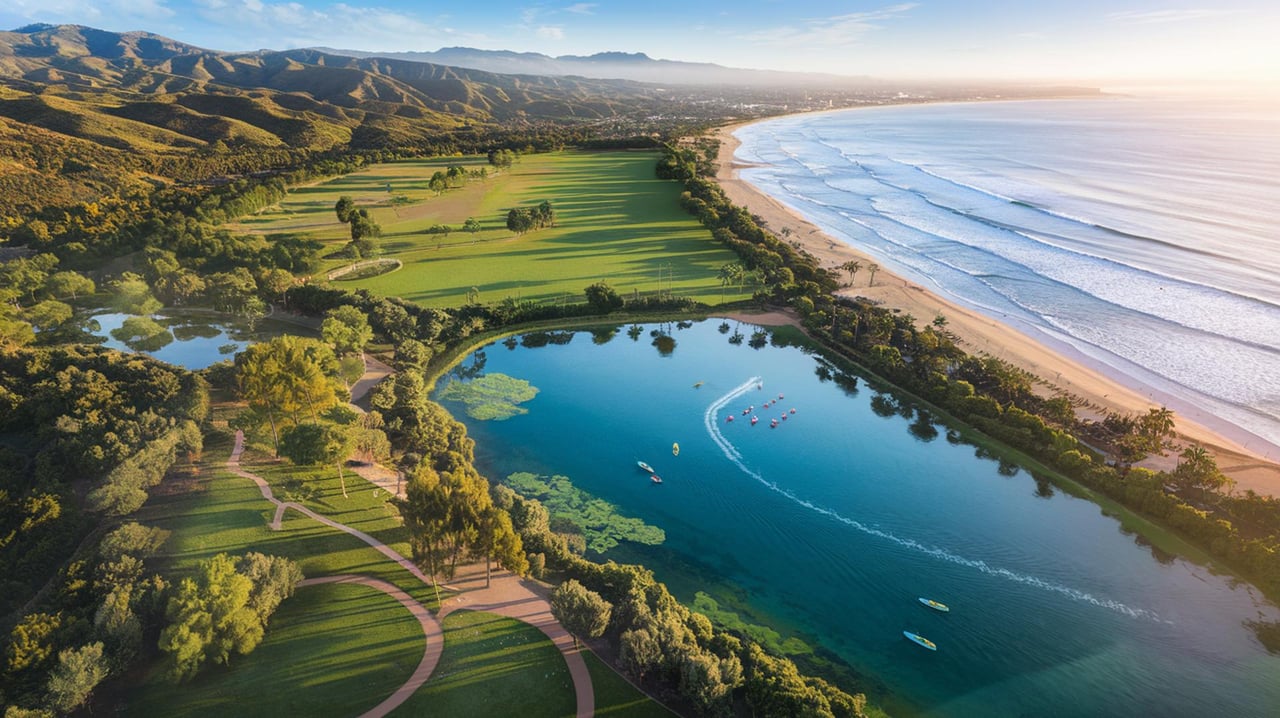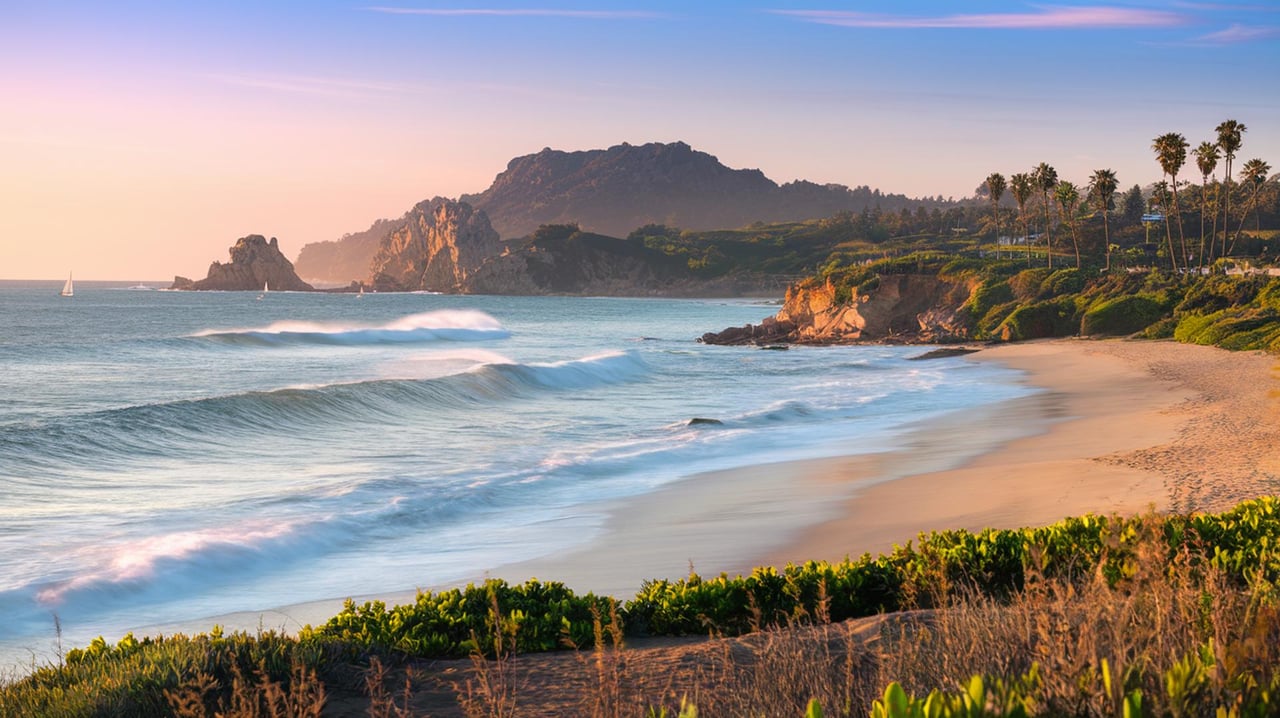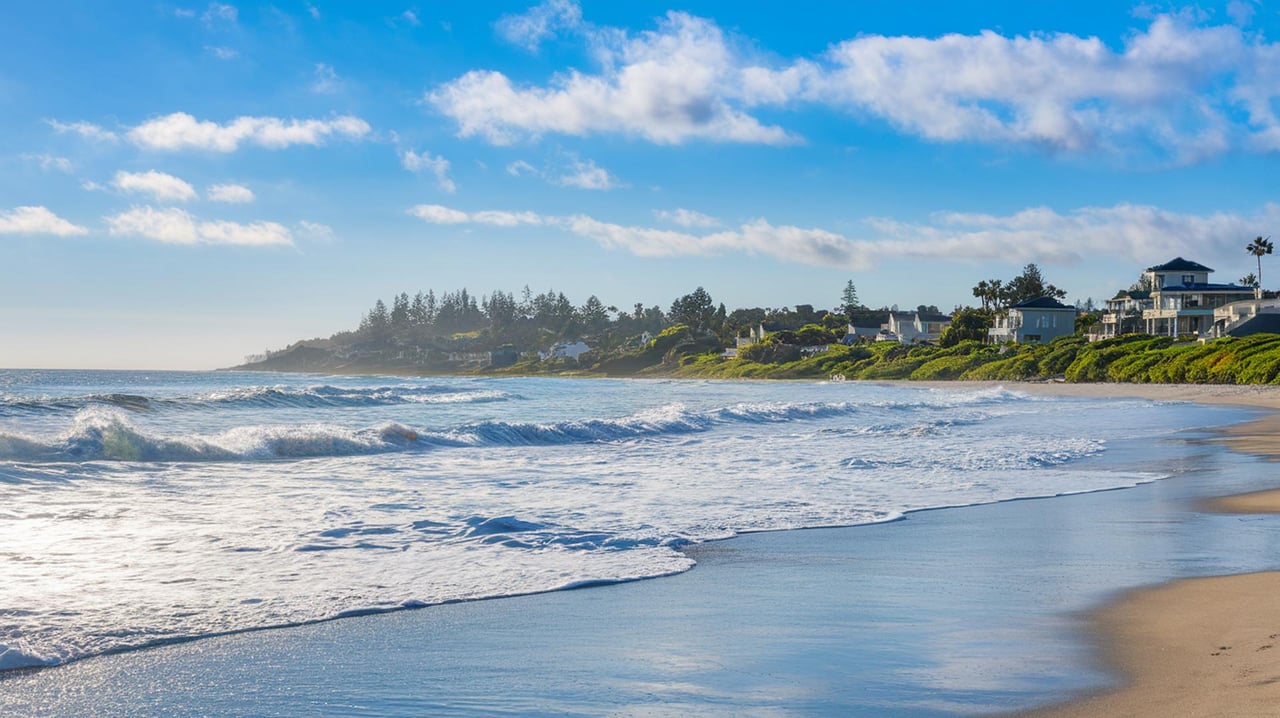
Most write-ups of Crystal Cove State Park read as if the author drove down from Los Angeles for a Saturday. They list tidepools, mention the cottages, name-check the Beachcomber, and leave. For anyone who actually lives on the inland side of Pacific Coast Highway, that framing misses the point. The park is not a destination for you. It is a 2,400-acre back garden with a working calendar, and the calendar has shifted meaningfully in 2026.
Here is the thesis worth holding onto this season: the park has quietly stopped being a place you visit and started being a place that resets every Wednesday. The Conservancy's summer programming now runs on a weekly rhythm rather than a peak-weekend model, and the long-promised North Beach cottage restoration is finally landing bookable inventory in the Historic District. Both changes reward residents who treat the park as a routine rather than an outing.
The week has a shape now
Crystal Cove Conservancy's summer 2026 calendar spans a range of free and low-cost programs at the park, from hands-on art activities and Movies on the Beach to guided ecology hikes, plein air painting workshops, Grunion Runs, and Cove Talks with conservation leaders. Read across the calendar and a weekly pattern emerges. It is worth memorizing.
| Day | Anchor Program | Where It Meets |
|---|---|---|
| Wednesday mornings | Family Art Days, drop-in | Education Commons |
| Weekend mornings | Paint the Park plein air series | Rotating park locations |
| Select evenings | Cove Talks, Movies on the Beach | Historic District |
| Tide-dependent nights | Grunion Run explorations | Education Commons, then beach |
| Weekend afternoons | Historic District interpretive tour, no registration | Visitor's Center |
The 60-minute Historic District tour led by Conservancy educators explores the park's rescue and restoration story, meets at the Visitor's Center at 1:00 PM, and requires no registration. That last detail matters. Almost every other program on the park's calendar involves reservation friction or member-only access, so a spontaneous Sunday walk that lands inside a docent-led tour is a lever a resident can pull with about ten minutes of notice.
The Wednesday cadence is the piece to internalize. Family Art Days are held every Wednesday at the Commons, inviting visitors of all ages to paint a healthy tidepool, experiment with watershed models, or meet educational puppet ambassadors. For a household with grandchildren visiting or school-age kids on a summer break week, that is a two-hour block you can plan the rest of the day around without opening a browser.
Four new cottages, four different bookings
The bigger structural news is the Historic District itself. For years, the North Beach cottages sat as scaffolded promises. That is changing.
The North Beach Restoration Project is a $55 million initiative to preserve and restore the remaining 17 historic cottages in Crystal Cove State Park's Historic District, and once completed will ensure future generations can enjoy this coastal treasure. The project is on track for completion in 2026. Key supporters include Bank of America, which invested in the project and facilitated Federal Historic Rehabilitation Tax Credits, and Assemblymember Cottie Petrie-Norris, who played a pivotal role in securing more than $30 million in state funding.
Four of those cottages are already taking reservations, and they are not interchangeable. Learn the names, because they book differently.
Cottage #11A, The Carpenter's Castle
On the upper bluff line. Bookable via ReserveCalifornia.
Cottage #11B, Crow's Nest
Paired with 11A but a separate reservation. Useful if a family needs adjacency without a shared roof.
Cottage #25, Grunion Run
Named for the phenomenon, positioned closer to the sand.
Cottage #28, Board and Batten
Newer to the reservation pool and structurally distinct from the shingled units.
Crystal Cove Conservancy announced that four newly restored North Beach Cottages became available for online reservations, bookable at Cottage #11A The Carpenter's Castle, Cottage #11B Crow's Nest, Cottage #25 Grunion Run, and Cottage #28 Board and Batten through the California State Parks reservation system at ReserveCalifornia.com, initially released in a four-week format.
Why does this matter to someone who owns a home five minutes away? Two reasons. First, out-of-town family visiting for a week can be housed inside the park rather than in your guest room, which changes the shape of a summer visit entirely. Second, Cottages 29, 38 and 39 are available on a 30-day rolling calendar with a maximum of up to seven nights annually per person, reservable at ReserveCalifornia.com or by calling (800) 444-7275. The annual cap is a genuine constraint, and residents who understand the release cadence have a real advantage over visitors racing the booking window from out of state.
The tide runs the calendar, not the other way around
One of the more instructive moments this season came in mid-June, when the Conservancy pulled a marquee program at the last minute. After assessing beach conditions firsthand, the Conservancy postponed the Parks Week grunion run out of an abundance of caution, citing exceptionally high tides, significant accumulations of kelp and other debris, and steep sand cutbacks created by recent surf conditions that had made beach access especially challenging.
Two takeaways for residents. First, the park's programming is honestly tide-dependent, not theatrically so. If a Conservancy educator says the sand is not safe, that is the sand you are also walking on with a Labrador tomorrow morning. Second, the grunion series is worth the effort to reschedule into. The Grunion Run Exploration is a special evening program during which Conservancy staff guide participants through the run, when small silver fish come ashore under the cover of night to spawn on sandy beaches, teaching about grunion behavior, coastal ecology, and the unique conditions that bring these fish onto shore.
If you go, the packing list is specific and non-obvious. Bring warm layers, comfortable clothing and footwear suitable for getting wet, and a flashlight or headlamp with a red-light setting. The red-light detail is the one visitors miss. White light disrupts the run and marks you instantly as someone who did not read the confirmation email.
The Historic District as an extension of your kitchen
The Historic District has two food options worth building into a weekly routine rather than saving for guests. The Beachcomber Café is a restored beachfront cottage offering a relaxed dining atmosphere with spectacular ocean views and a quality menu for breakfast, lunch, and dinner. The Shake Shack sits above on PCH and serves the shorter, faster counter menu that makes sense between a morning walk and a 10 a.m. meeting.
The district itself has real historical weight, which is easy to forget when you drive past it three times a week. The Crystal Cove Historic District is a 12.3-acre coastal portion of the 2,791-acre state park, a federally listed enclave of 46 vintage rustic coastal cottages originally built as a seaside colony in the 1930s and 40s and nestled around the mouth of Los Trancos Creek, one of the last remaining examples of early 20th century Southern California coastal development. Forty-six cottages on twelve acres is a density number worth sitting with. It is roughly the footprint of a single large estate lot on the inland bluff, holding the entire preserved village.
Small logistics that separate residents from tourists
A few operational details are worth committing to memory. They are unglamorous. They also determine whether an afternoon at the park is easy or annoying.
Parking. Park in the Los Trancos parking lot on the inland side of PCH, where the day-use fee is $15 and free with a California State Parks pass. An annual pass pays for itself inside four visits, which is roughly one month of casual use for anyone who lives close.
The tunnel walk. From Los Trancos, walk through the tunnel and follow the path to the Historic District, approximately a 10-minute walk. Factor that ten minutes into any dinner reservation at the Beachcomber. It is longer than it feels the first time.
The climate cue. The park's Mediterranean climate is characterized by moist, foggy summer mornings, with the fog burning off by midmorning to bring warm, sunny days and cool evenings. Plein air sessions and tidepool visits work best on the burn-off side of that curve. Movies on the Beach and grunion nights sit on the cool-evening end. Plan the day accordingly.
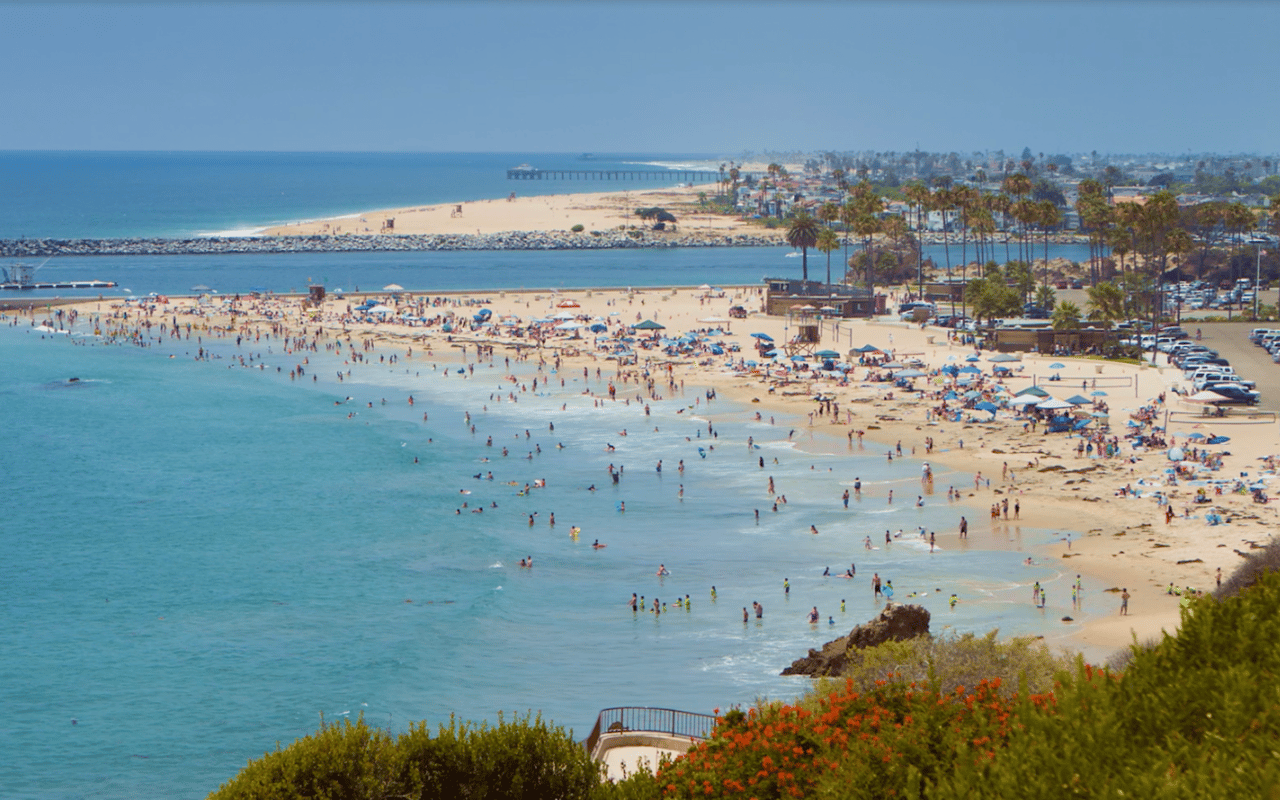
Access. The park has 3.2 miles of beach and 2,400 acres of backcountry wilderness, is used by mountain bikers inland and scuba and skin divers underwater, is popular with swimmers and surfers, and offers tidepools and sandy coves to explore. The distance from a Crystal Cove front door to a working tidepool is measured in single-digit minutes. Very few coastal communities in California can say that.
A closing thought on principal-led local knowledge
The best reason to know the park's rhythm is not the park. It is what the knowledge signals when you eventually sell, buy again, or advise a friend considering the neighborhood. Buyers touring Crystal Cove listings ask surface questions about gates and views. The homeowners who impress them are the ones who can describe a Wednesday morning at the Commons, name the cottages that reopened this year, and explain why a red-light headlamp lives in the drawer by the front door.
If you would like a principal-led conversation about your position in the Crystal Cove market, or a considered read on how the park's momentum is shaping buyer sentiment along this stretch of coast, Golding Realty welcomes a private consultation. Schedule a Private Consultation with Mary directly.