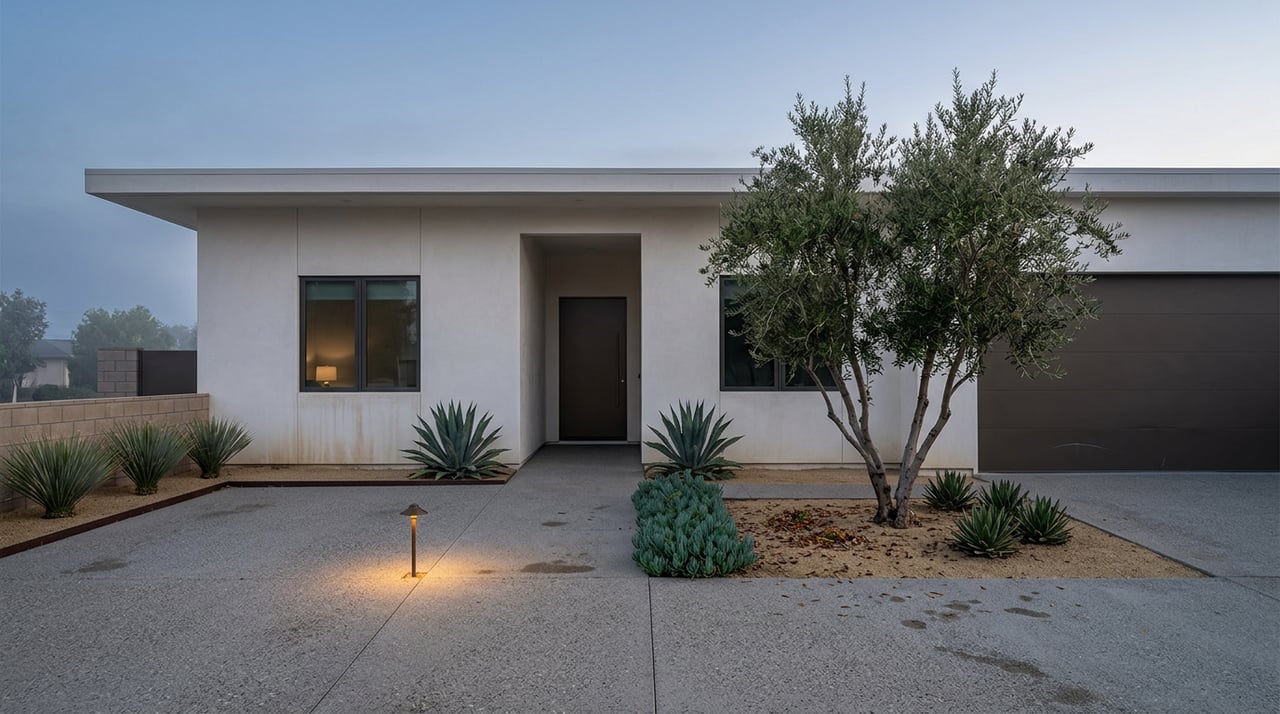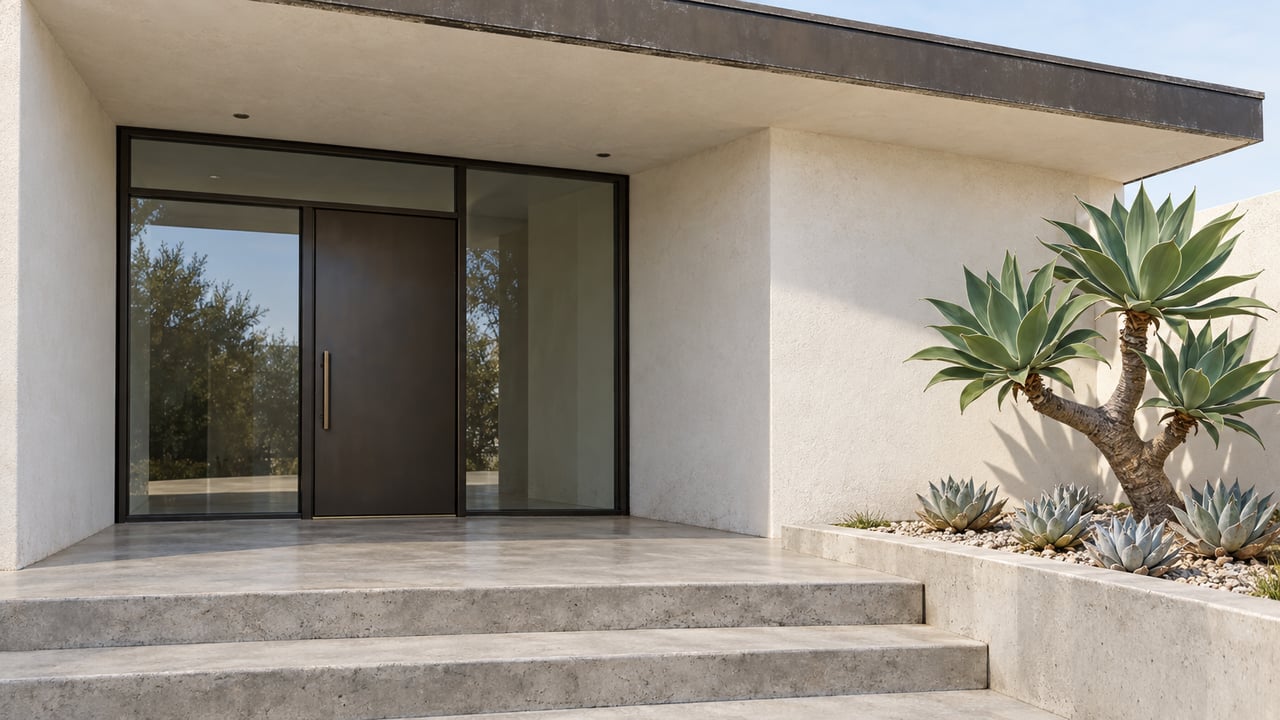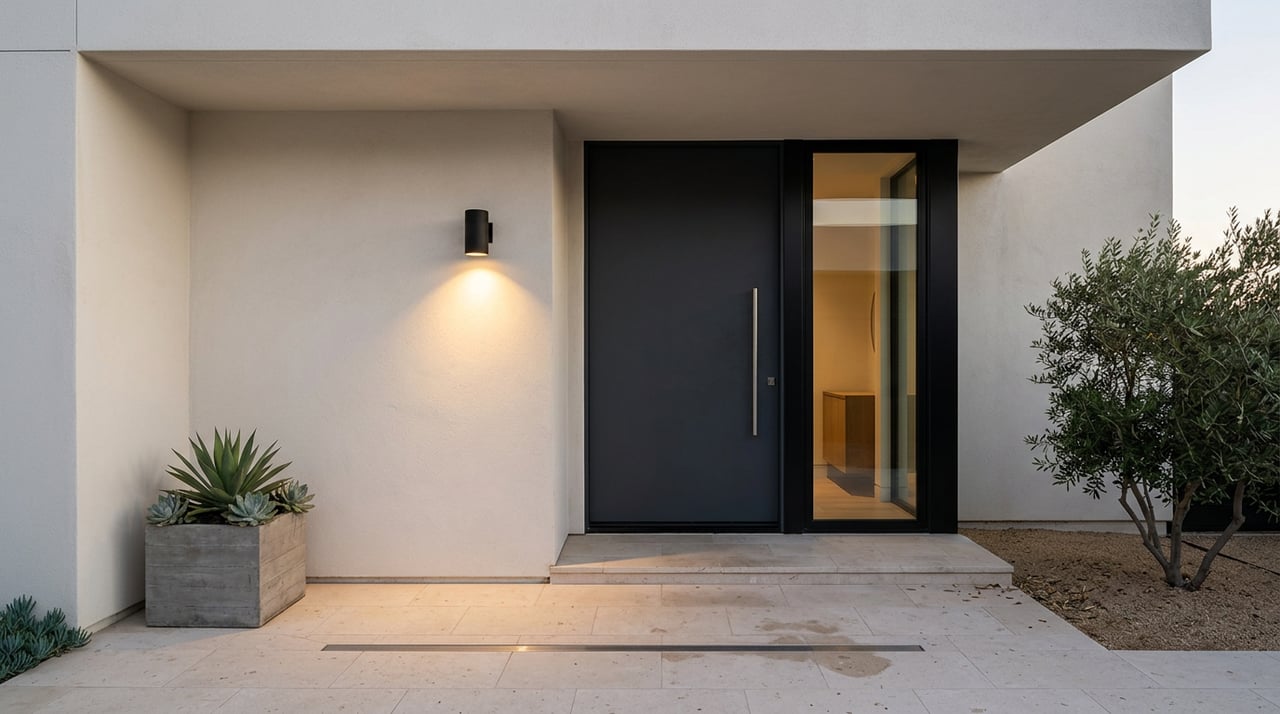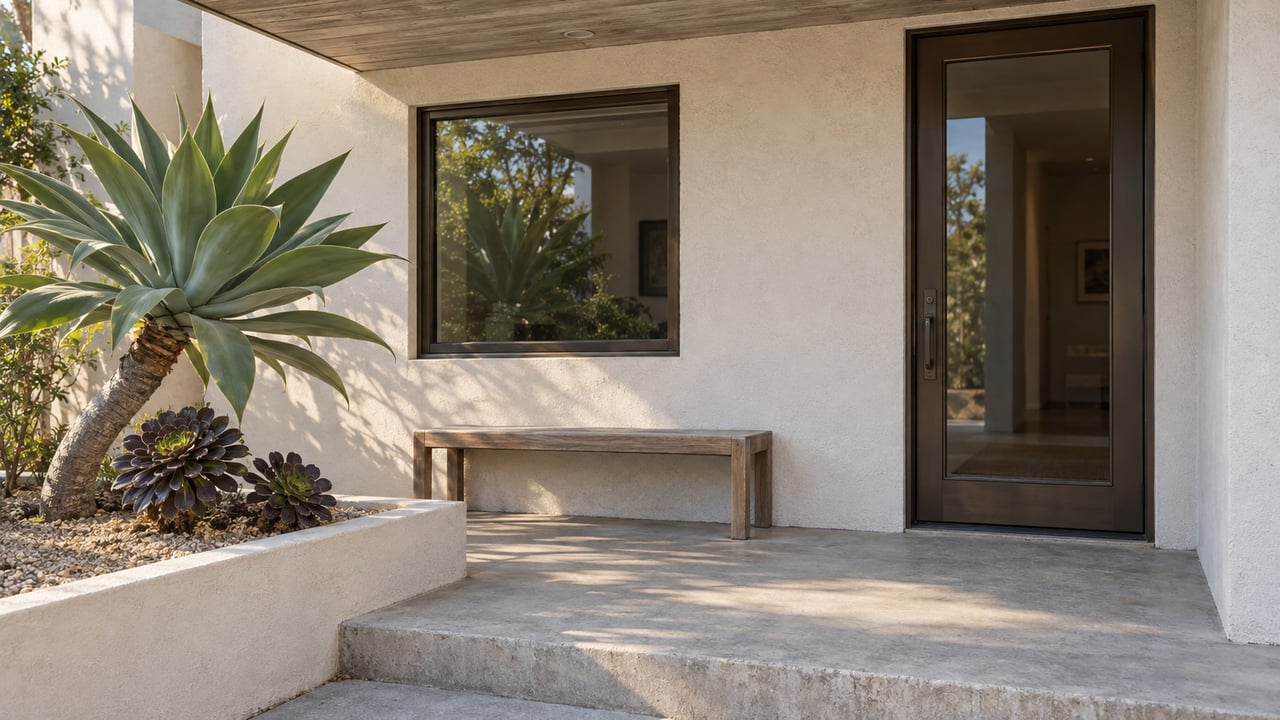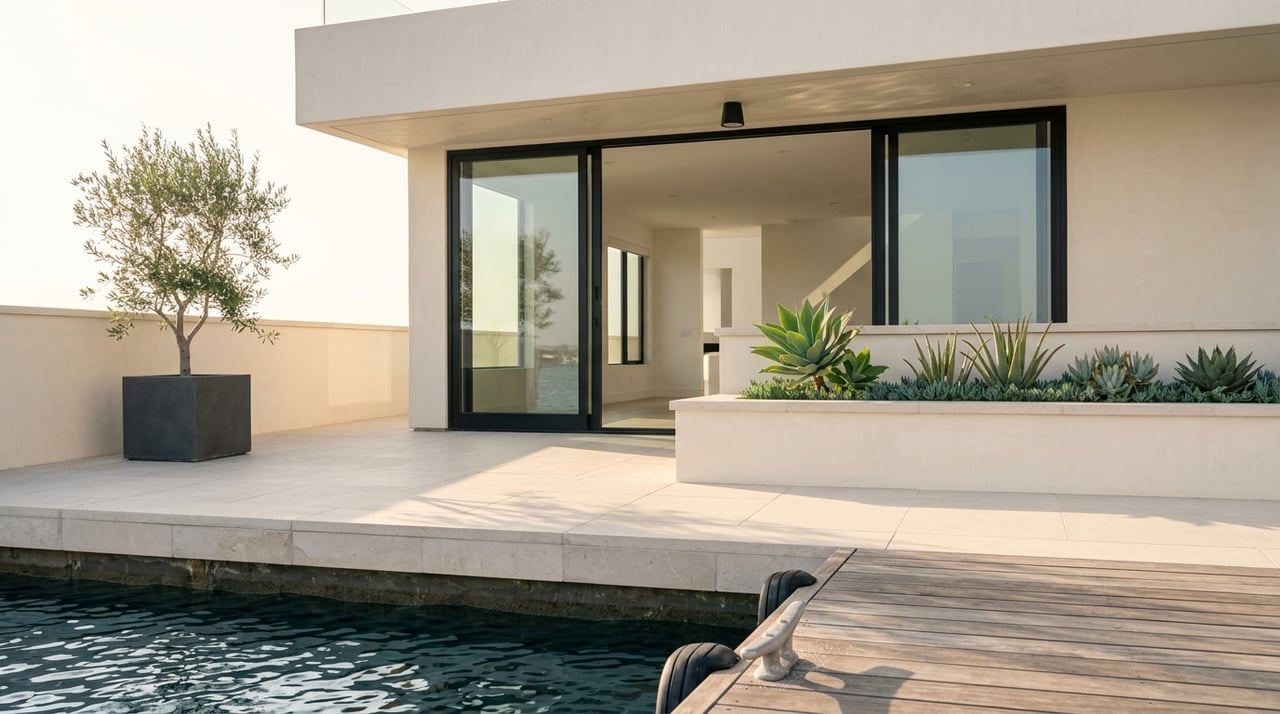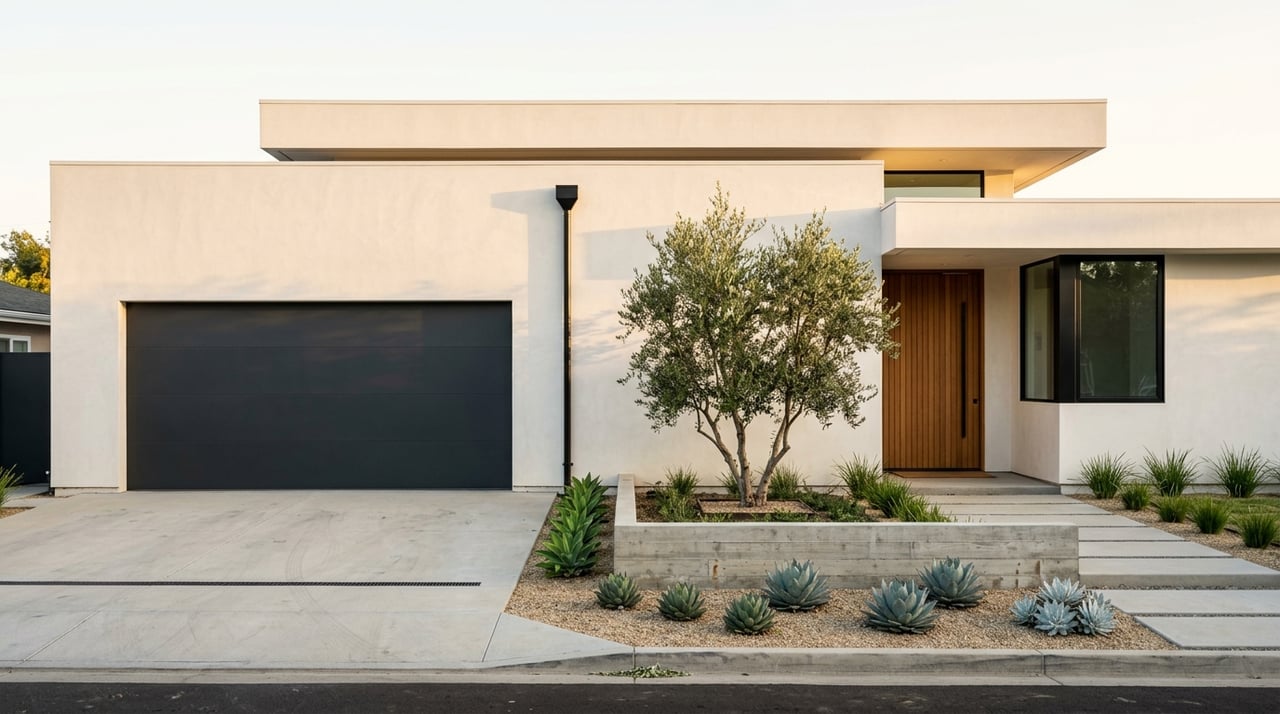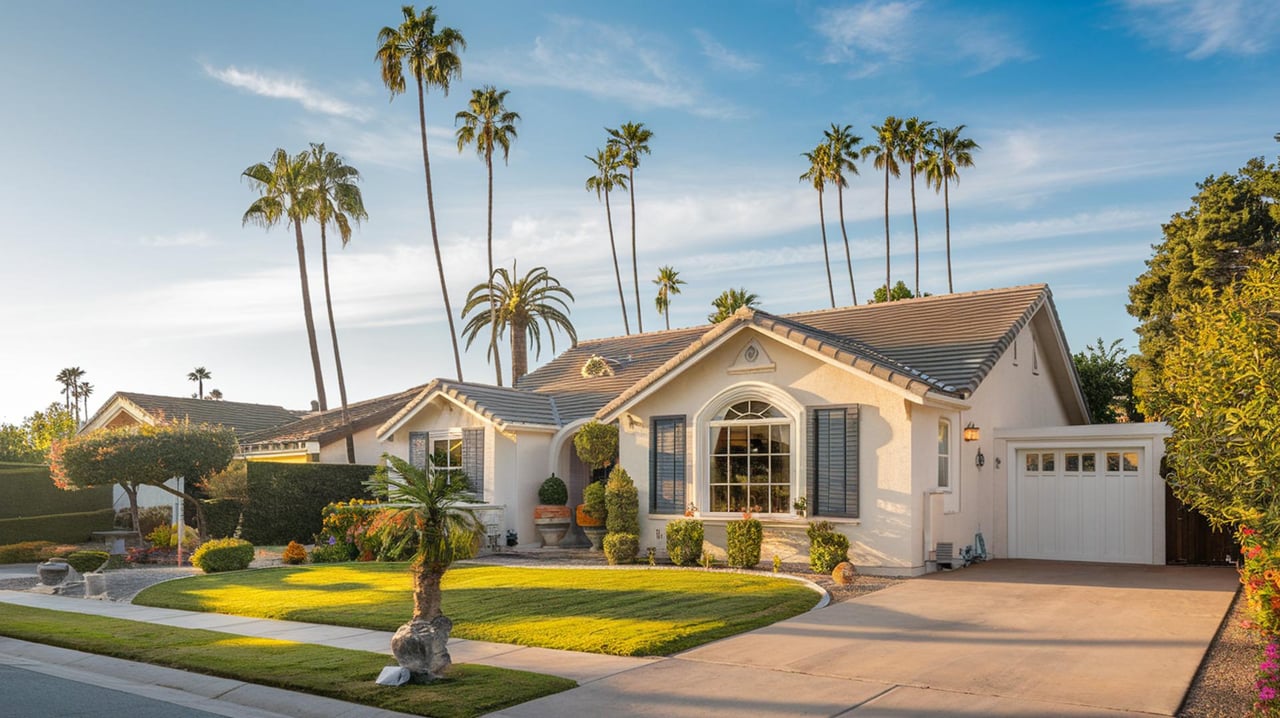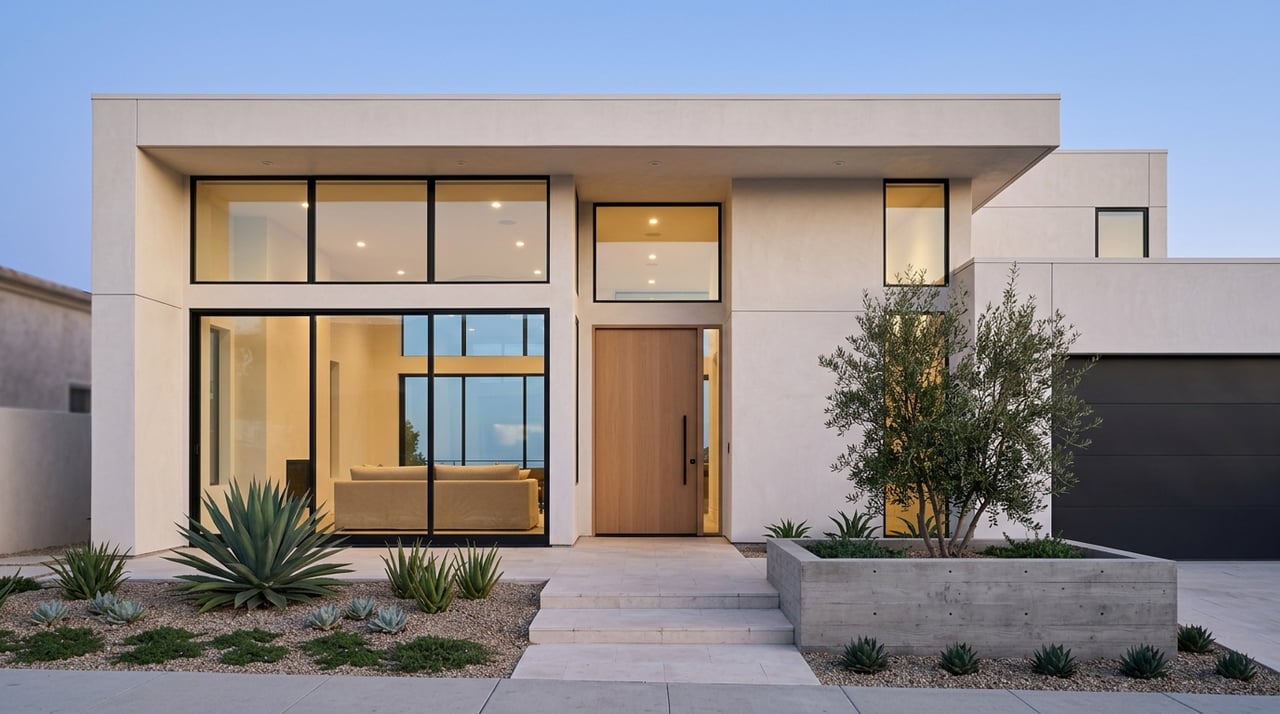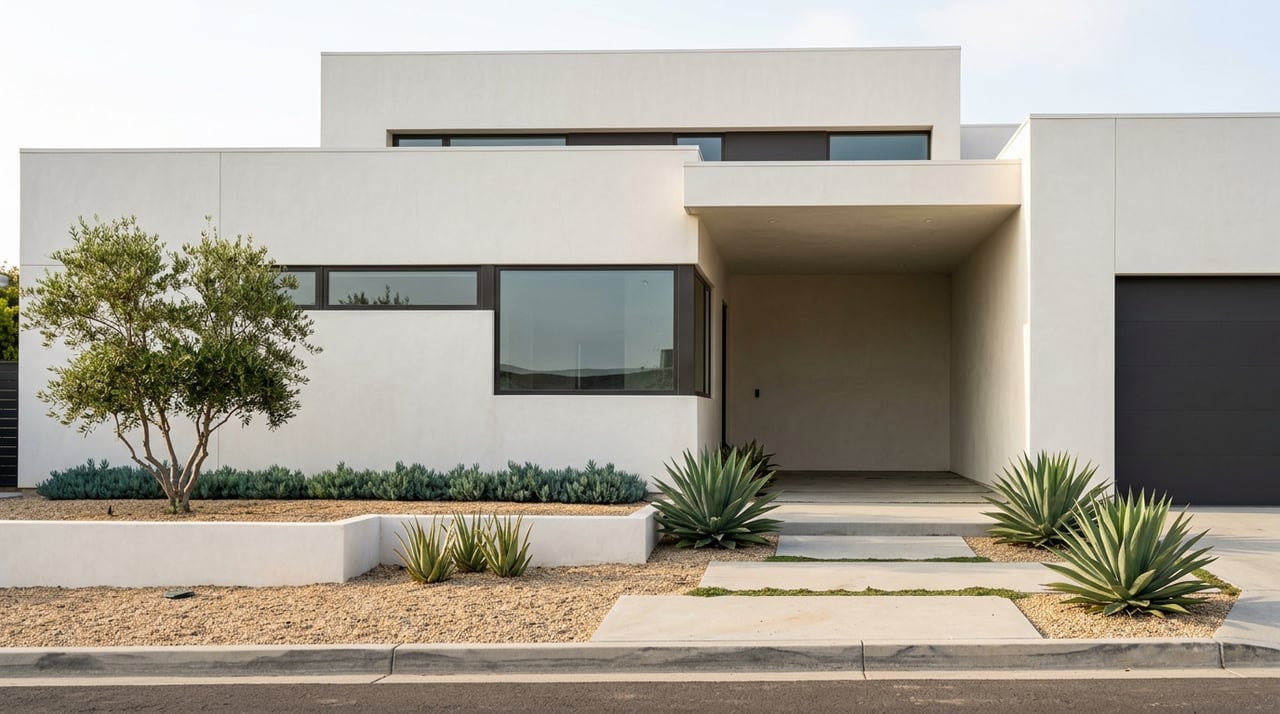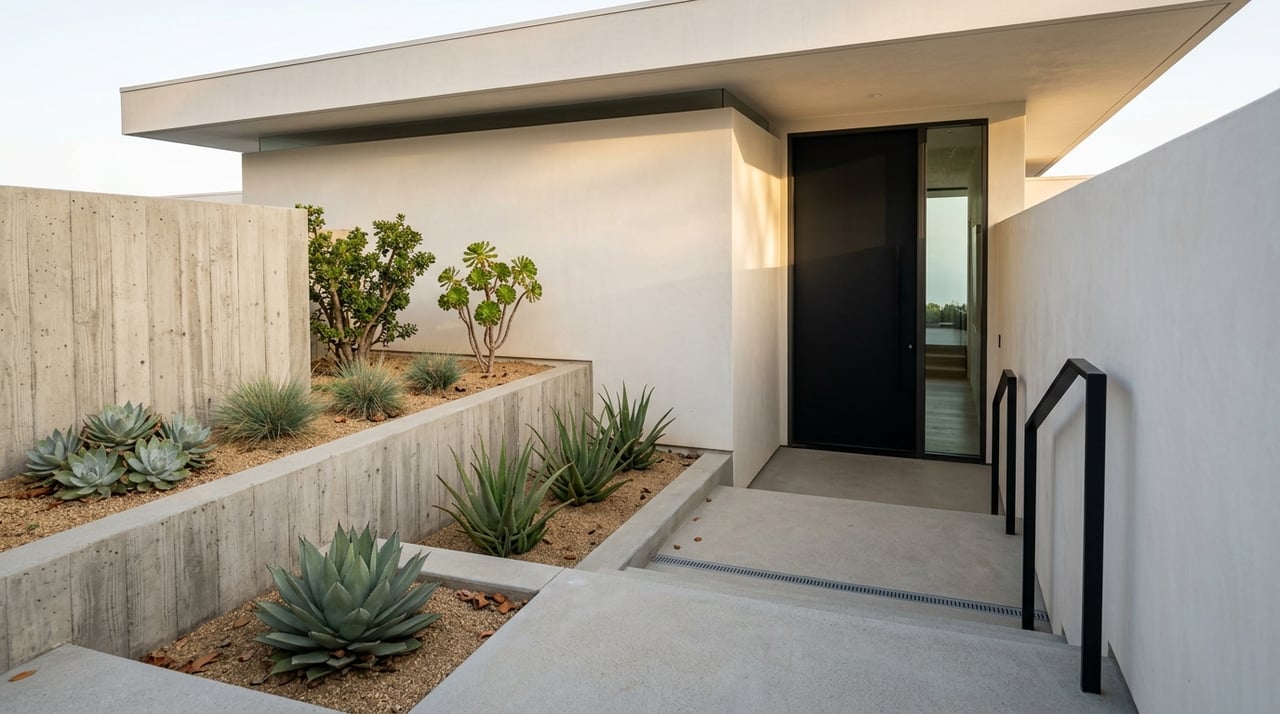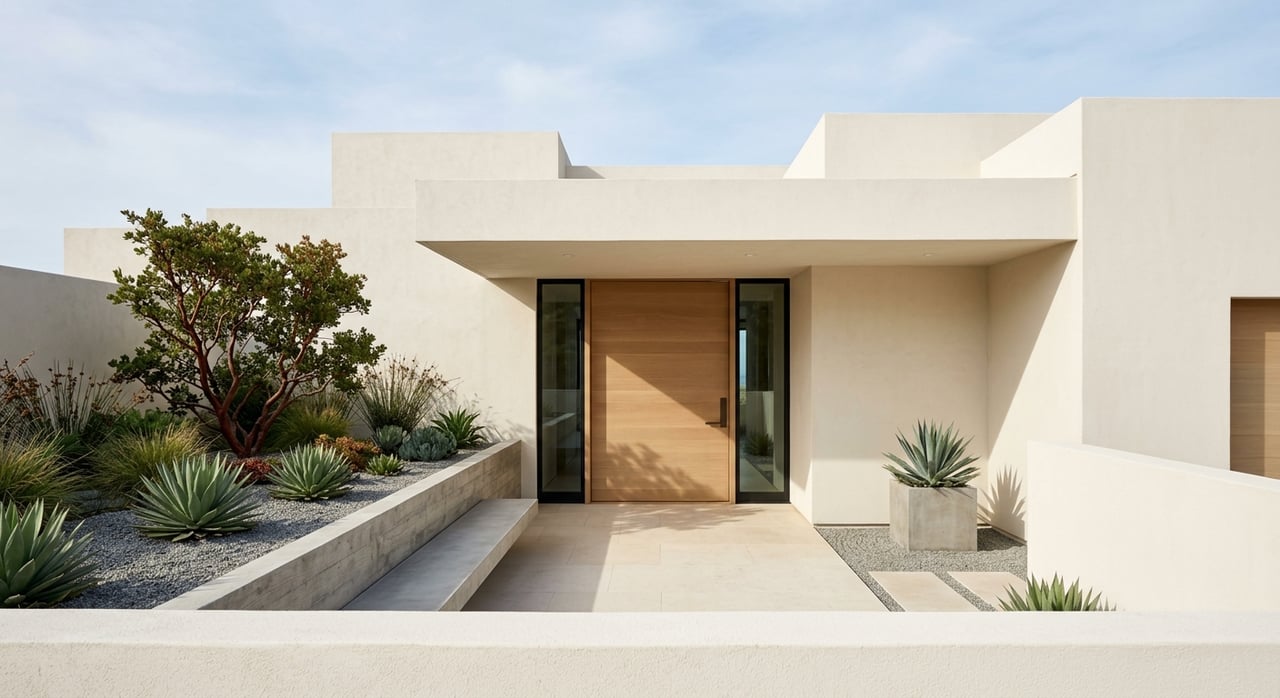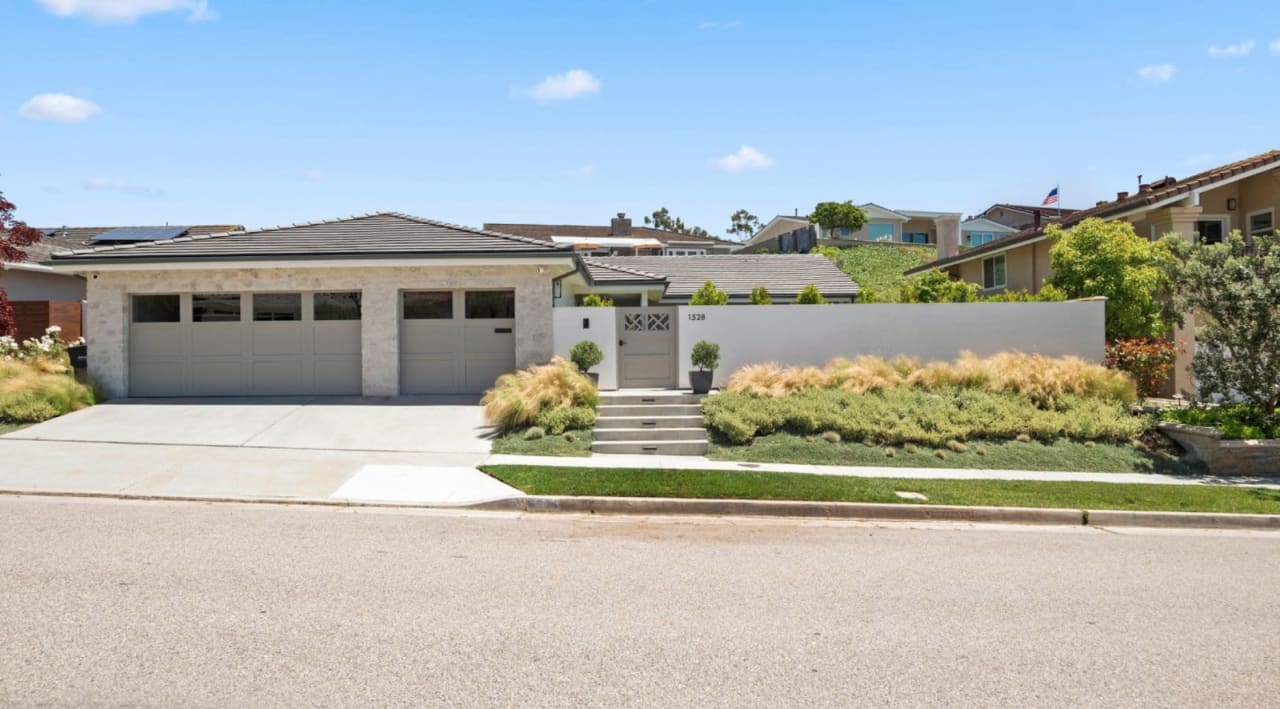
You fell in love with a Crystal Cove home, but you also have plans: a fresh exterior palette, new landscape lighting, maybe a glass railing to frame the ocean view. In this community, those choices pass through architectural review. That is not a barrier; it is how Crystal Cove preserves its cohesive coastal character and long-term value.
This guide explains how HOA architectural control works in Crystal Cove, what rules typically cover, how view protections are handled, and what to review during escrow. You will also find timelines, enforcement basics, and a buyer’s due-diligence checklist tailored to coastal Orange County communities. Let’s dive in.
How Crystal Cove HOAs are organized
Crystal Cove neighborhoods commonly operate within a layered structure that includes a master association and a sub-association at the village or tract level. Architectural approvals may require sign-off from both. The master association often oversees streetscapes and entries, while the sub-association focuses on individual home exteriors and yards.
Architectural authority flows from several governing documents. The CC&Rs outline powers and standards for a Design Review Committee or Architectural Review Board. Separate Architectural Guidelines or Design Standards provide detailed rules for colors, materials, fences, landscape, and rooflines. Bylaws and Rules & Regulations add procedures for meetings, fees, and fines. Recorded easements and any view-related covenants can also control what is permitted on a particular lot.
California’s Davis–Stirling framework governs HOAs statewide and sets baseline procedures for rule-making, notice, and dispute resolution. Local regulations, such as City of Newport Beach planning and building permits, operate separately. You generally need both HOA approval and city permits for structural or major exterior work. HOA approval does not replace municipal permits, and city permits do not replace HOA approval.
What the rules usually cover
Exterior finishes and colors
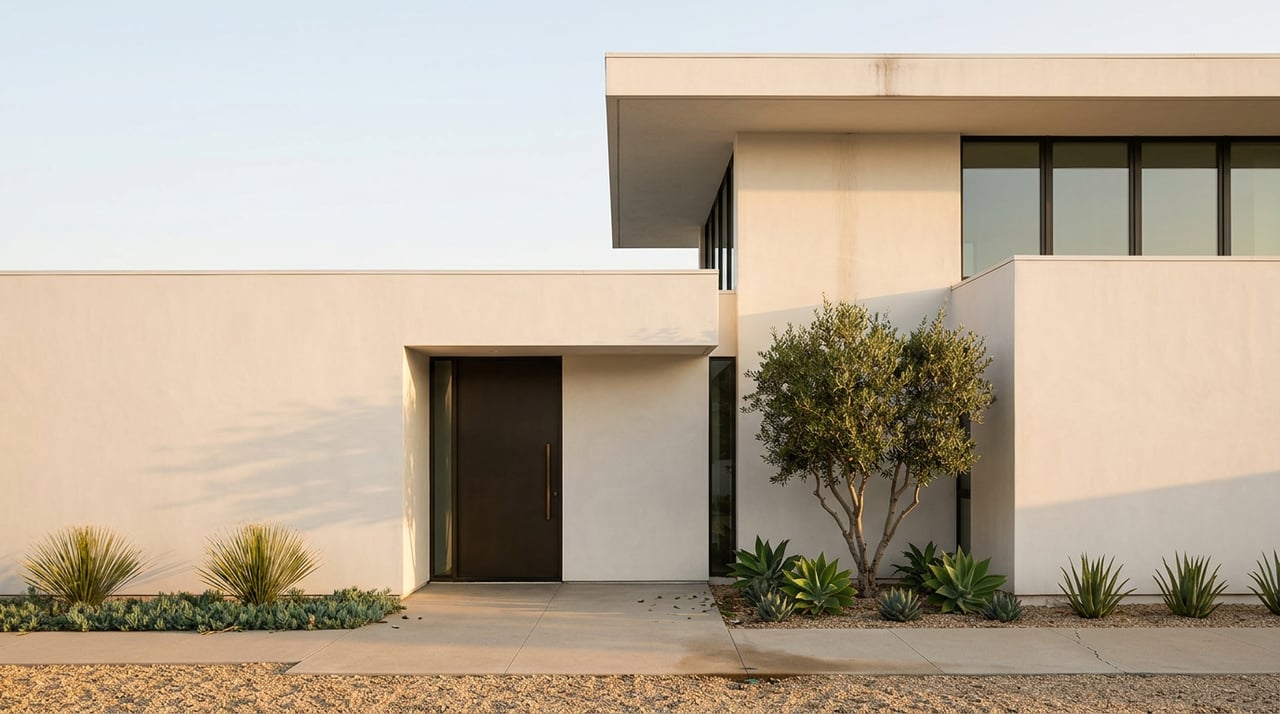
Expect an approved palette and a standard for finish quality. Repainting often requires either a color match to the original approval or a new application for a different tone. Some guidelines require submittal of paint chips, samples applied to the structure, or both. Repainting without written approval can trigger a notice of violation even if the color looks close.
Rooflines, windows, and doors
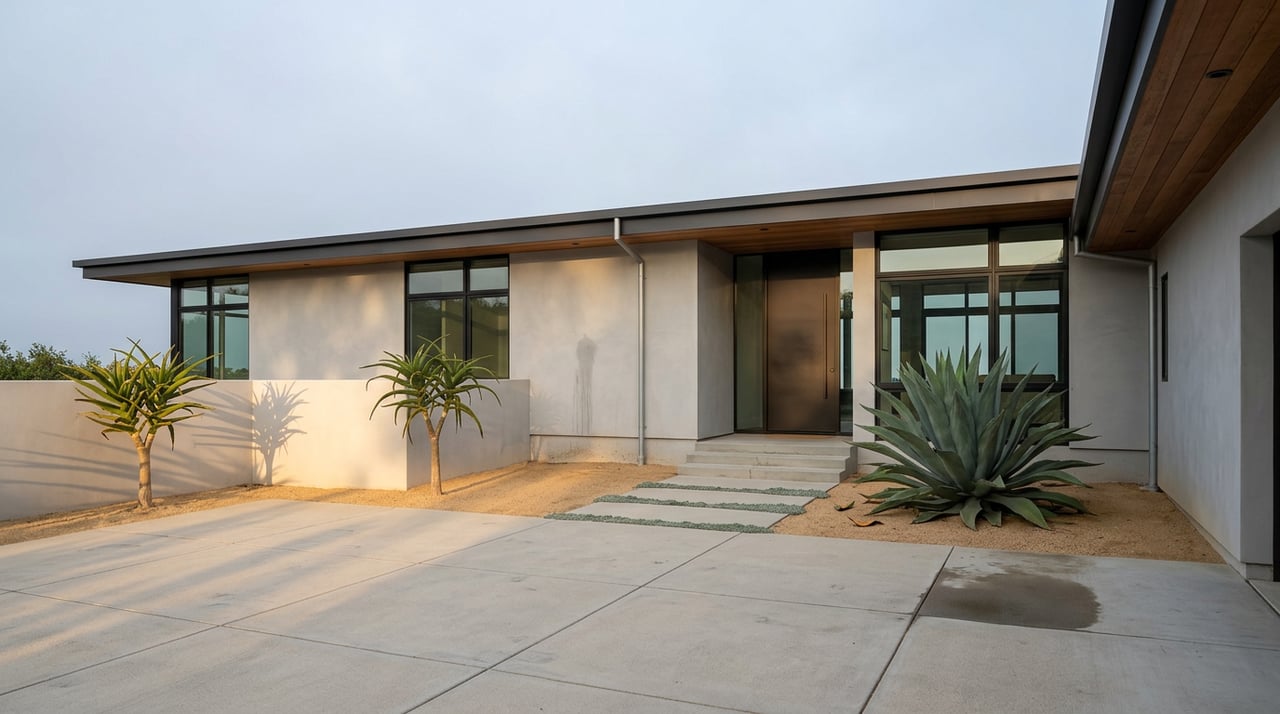
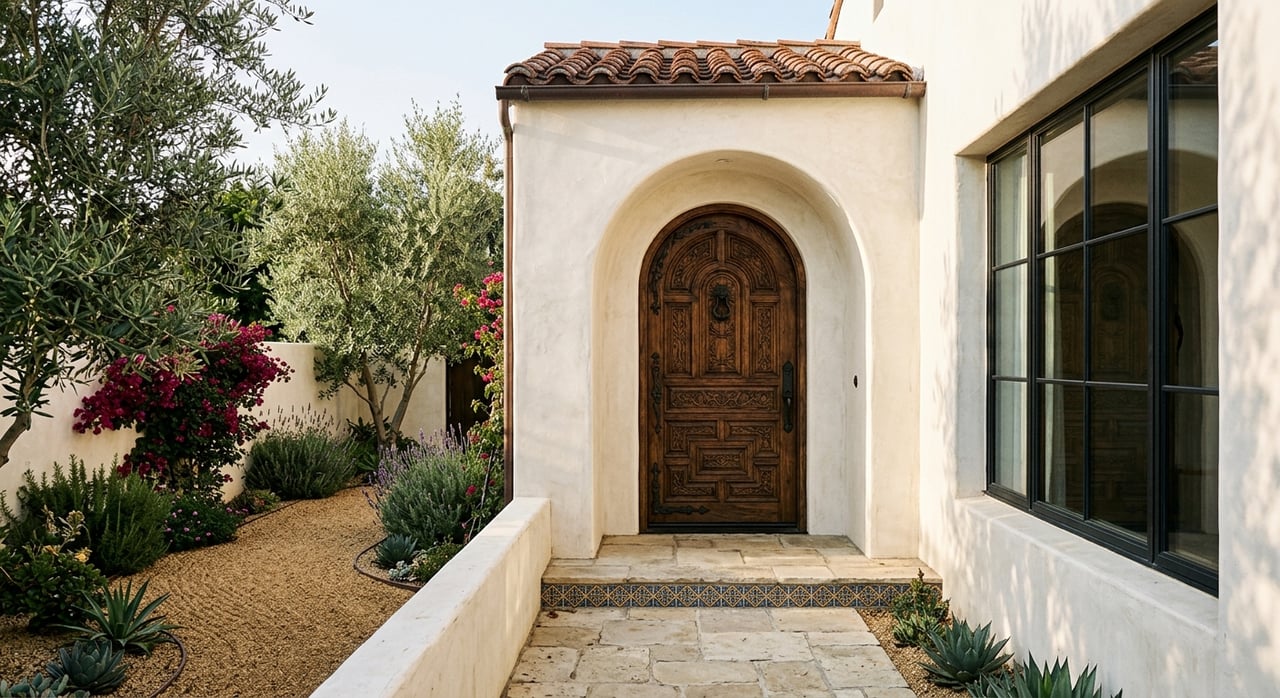
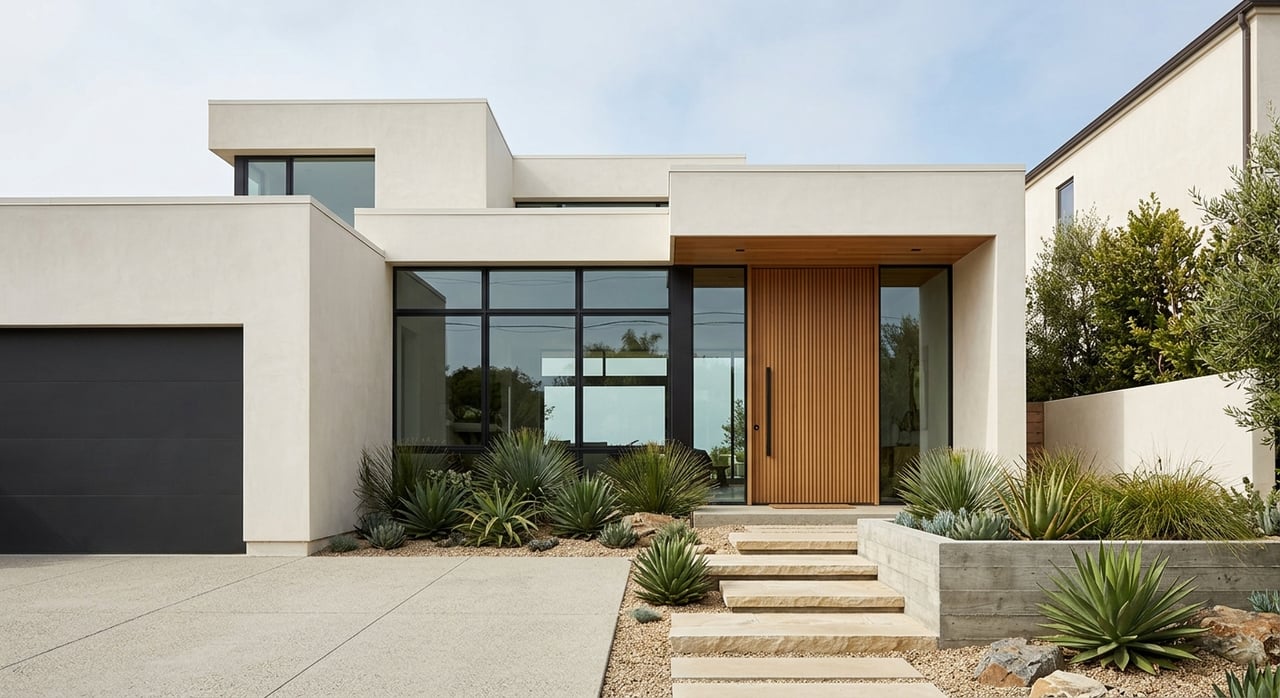
Roof materials and colors are commonly limited to pre-approved products that protect a uniform profile. Window and door changes usually must match the community’s architectural theme, including frame color, mullion patterns, and trim details visible from the street or neighboring properties. Skylights, dormers, or parapet adjustments almost always require full review.
Landscape and hardscape
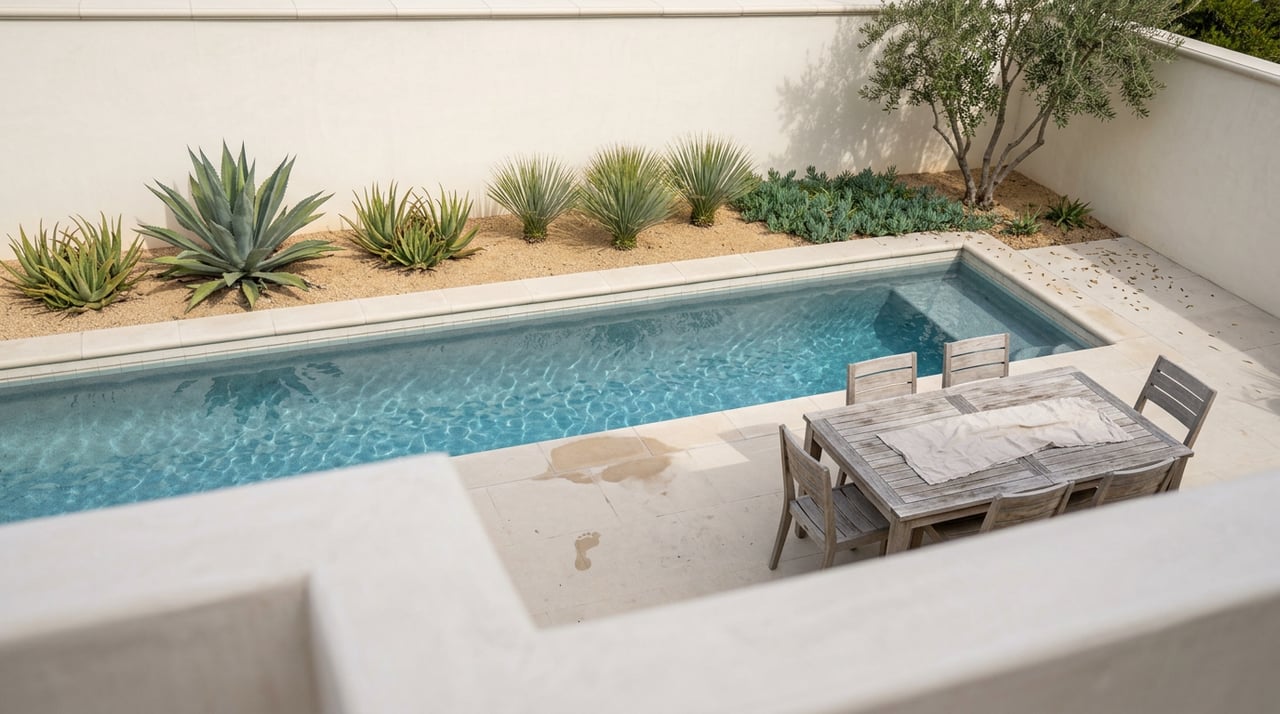
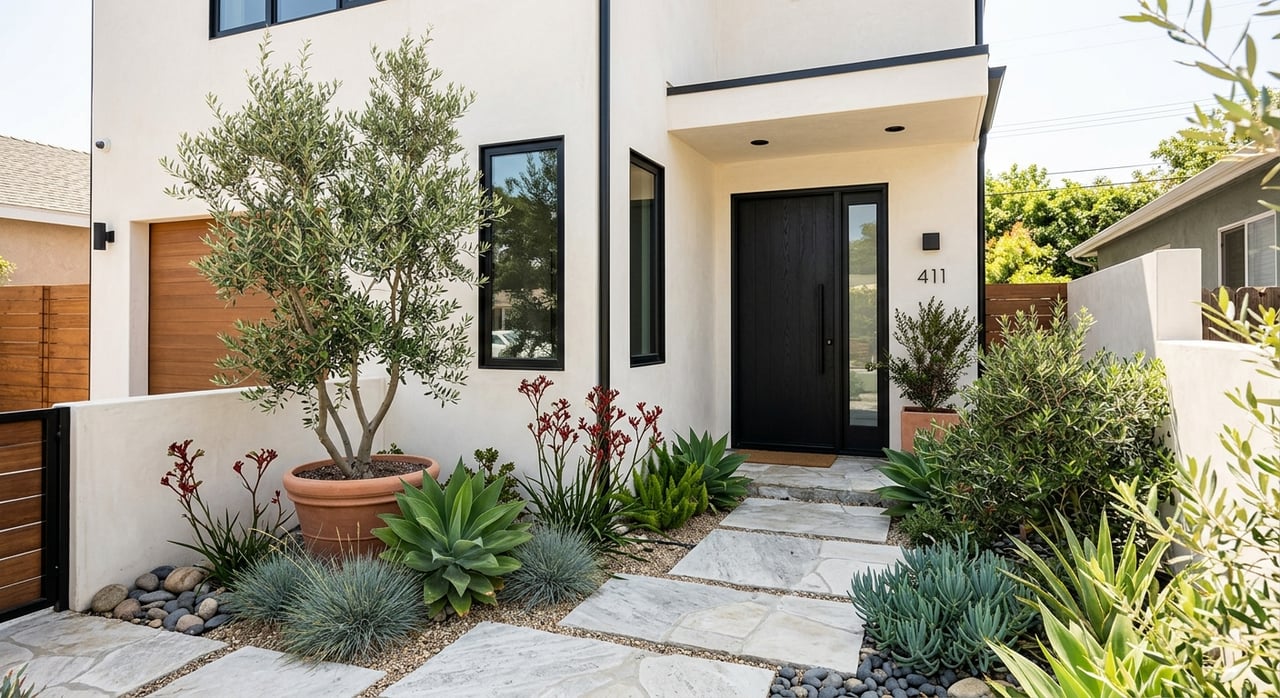
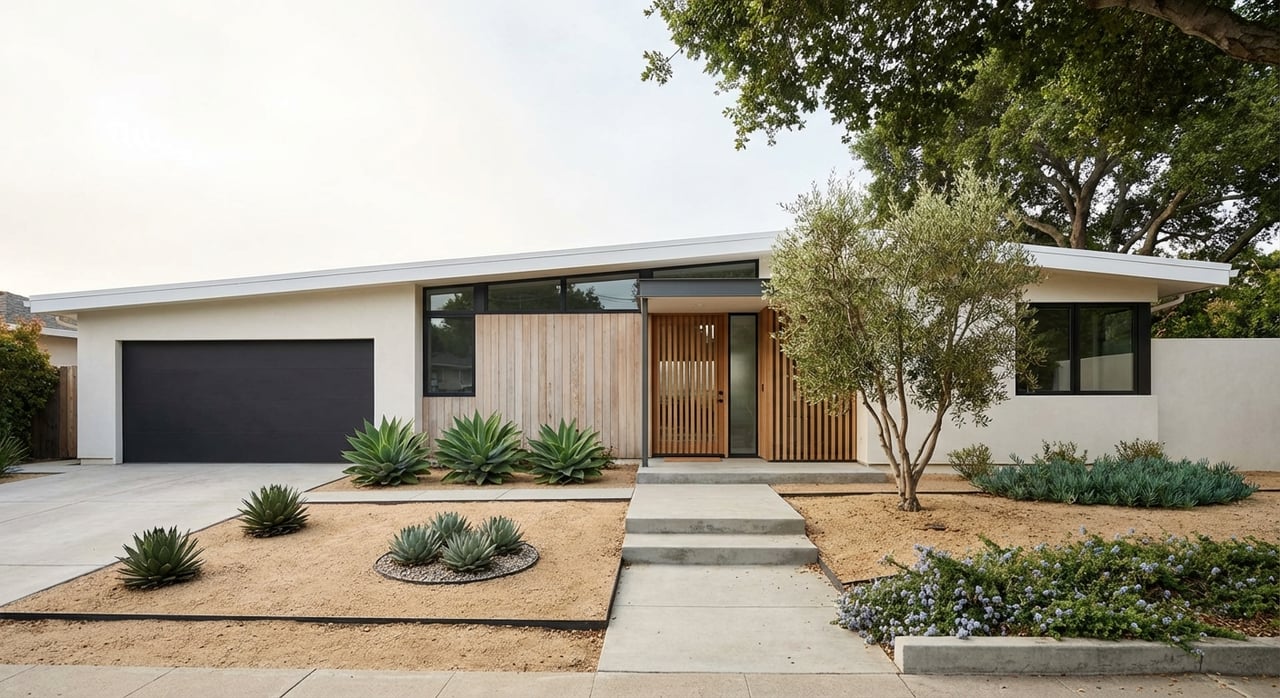
Front-yard standards typically address plant types, irrigation, and the look of walkways and drives. Many coastal communities limit turf areas, require drought-tolerant species, and set rules for parkway plantings. Hardscape materials, like pavers or stone, may need to match a neighborhood specification. New trees usually face species and height limits to preserve sightlines.
Fences, walls, and gates
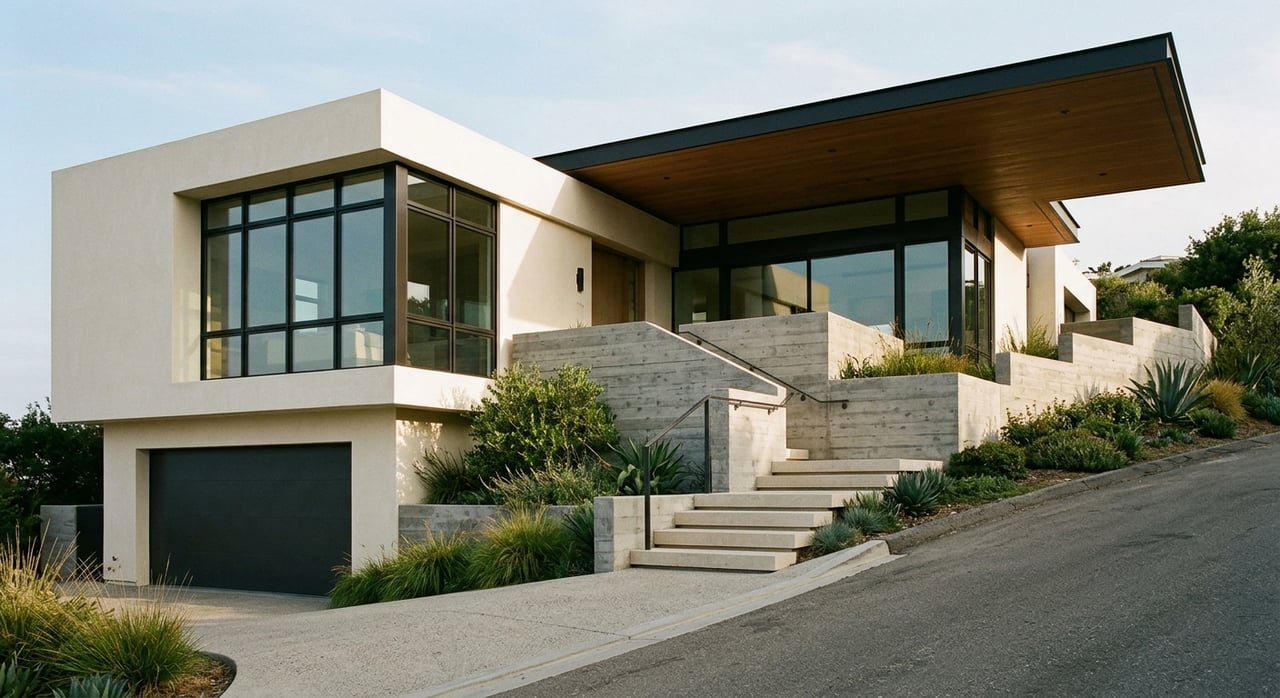
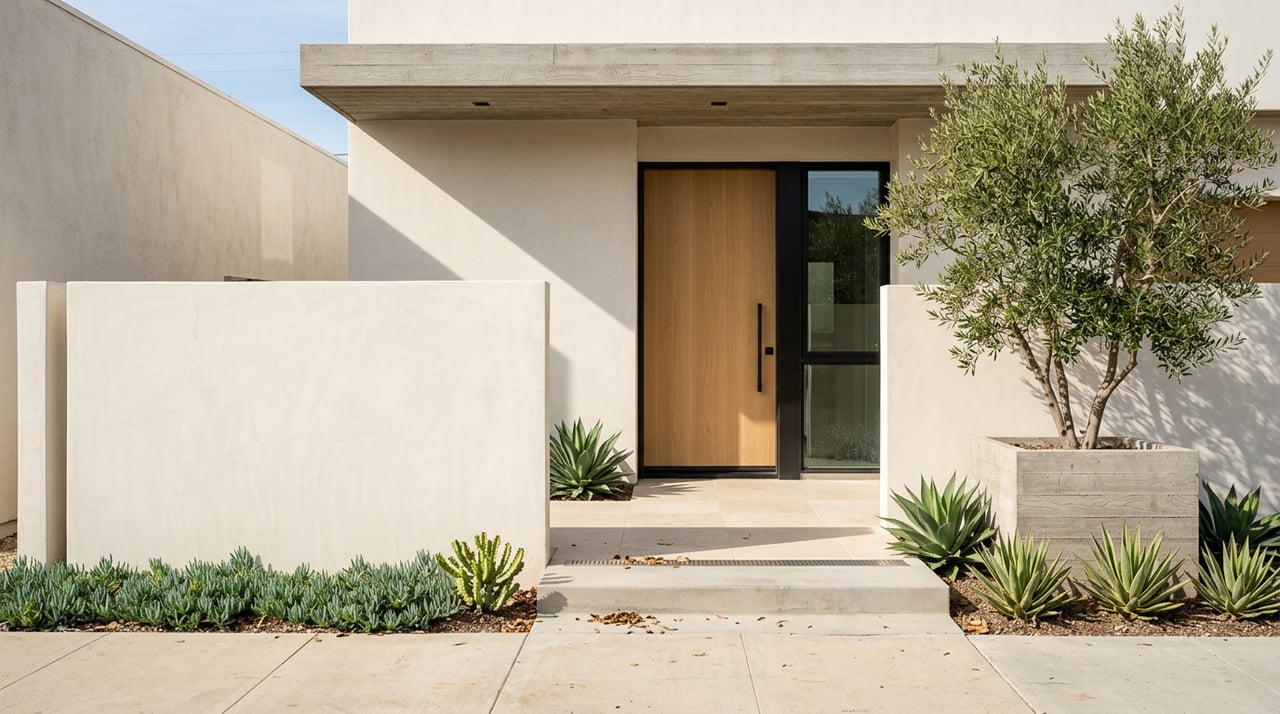
Guidelines often fix maximum heights, materials, and locations for privacy walls and fences. In many cases, freestanding front-yard fences are not allowed. Perimeter wall finishes, courtyard gates, and pilasters may need to match existing community standards. Glass or open-rail elements are sometimes permitted when they maintain view corridors.
Lighting and visible equipment
Exterior lighting is typically regulated for fixture style, brightness, and color temperature. The goal is to avoid glare and visible hotspots from streets or neighboring lots. Rooftop or wall-mounted equipment, including HVAC units, pool equipment, and flues, must be placed or screened to minimize visibility from public or common areas.
Solar, EV charging, and antennas
California law supports homeowner access to solar. HOAs can adopt objective standards for placement, low-profile hardware, and reasonable screening but cannot impose rules that effectively prohibit solar. EV charging additions often require specific conduit routing, proof of permits, and contractor insurance. Federal rules protect small satellite dishes and antennas, though placement and concealment standards may still apply.
Protecting views in a coastal community
View protections depend on recorded documents. Look for language in the CC&Rs or easements referencing view corridors, height limits, or no-obstruction clauses. Where written protections exist, the HOA may enforce tree-height limits, restrict rooftop structures, and condition additions to preserve neighboring views. Some CC&Rs even allow neighbors to challenge plans that would materially impair a view.
Ambiguity is common. Many documents include general statements about preserving views without a guarantee. In those cases, enforcement can turn on precedent and the Design Review Committee’s interpretation. A well-documented record of how similar cases were handled can be important. If views are central to your purchase decision, verify whether any view easements exist, how they have been applied, and whether there have been past disputes on the street.
The approval process, step by step
A proactive approach saves time and prevents redesign late in the process. Here is the typical sequence:
- Pre-application consult. Start with a conversation with the community manager or DRC to confirm whether your concept aligns with guidelines. Early feedback may steer you to approved materials or dimensions.
- Formal application. Expect to submit plans, elevations, photos of existing conditions, material samples, and color chips. Some HOAs require contractor information and proof of insurance.
- Fees and deposits. Most communities charge plan-review fees and may collect a refundable deposit for inspections or potential damage to common areas during construction.
- Committee review. Minor changes may be approved administratively, while larger items wait for a scheduled DRC meeting. Turnaround often ranges from 10 to 60 days based on the scope and document language.
- Conditions and mitigation. Approvals can include conditions, such as added screening, alternative materials, or landscape restoration. Conditions are not optional and become part of your approval record.
- City permits. Structural, electrical, plumbing, and many exterior projects also require City of Newport Beach permits. Some permits require proof of HOA approval before issuance.
- Final sign-off. After construction, the HOA typically inspects to verify the work matches the approved plans. Final sign-off closes the file. Without it, you may face fines or be ordered to correct or remove unapproved elements.
Variances and appeals
Most CC&Rs include a pathway to request a variance from objective standards based on unique site conditions or hardship. Variances can add time and may involve neighbor notices. If an application is denied, documents often allow an internal appeal to the board or an independent panel. Keep in mind that precedent matters. Showing that similar variances were approved can help, though it does not guarantee the same outcome.
What enforcement looks like
When an exterior change violates the rules or deviates from approved plans, the association can issue notices with cure periods. Fines and restoration orders may follow if the issue is not resolved. For serious or repeated issues, HOAs can record liens for unpaid fines according to their procedures.
Open violations matter at resale. They commonly appear on the estoppel certificate and can delay or complicate closing. Associations may also withhold new approvals until past conditions are satisfied. Before you close, confirm that the property is free of violations and that all prior projects received final sign-off.
Buyer due-diligence checklist before you close
Gathering the right documents early can save weeks and prevent surprises:
- CC&Rs and amendments. Verify the latest recorded versions through the title report.
- Architectural Guidelines and Design Standards. Obtain the current palette book and any material lists.
- Application forms and decision templates. Review the DRC checklist, standard conditions, and any recent policy updates.
- Estoppel certificate. Confirm assessment status, fines, violations, and pending approvals.
- Rules & Regulations, Bylaws, and Articles. Understand fee schedules, meeting timelines, and enforcement procedures.
- Recent board minutes. Read 6 to 12 months of minutes and notices for changes that affect exterior work, solar, or EV charging.
- Prior approvals for the property. Request copies of all approvals and the final sign-offs for visible upgrades.
- Maintenance responsibility map. Clarify what the owner maintains versus the HOA, such as roofs, exterior paint, or front landscaping.
- Litigation and financials. Review pending litigation disclosures and the reserve study to assess risk and stability.
Key questions to ask management or the DRC:
- Is the property current on assessments and free of violations or liens?
- Were prior exterior modifications at this address approved and fully finalized?
- What are the written policies for solar, EV charging, window replacements, and tree species or height limits?
- Are community projects planned that could affect exteriors or views, such as tree planting or street improvements?
- Do contractors need to meet specific license, insurance, or permit standards?
Practical tips for buyers:
- Build time and budget contingencies. Allow for HOA review windows, possible conditions, and city permit timing. If a planned customization is essential, consider extra time in your purchase contingencies.
- Verify view protections. Request any recorded view easements and ask about past disputes or appeals on nearby lots.
- Confirm approvals history. Demand copies of prior approvals and final sign-offs for visible changes.
- Consider a pre-offer concept review. If permitted, submit a concept or hold an informal consultation with the DRC before committing to the purchase.
- Retain experienced pros. Engage a local architect or contractor who knows the community standards and submittal expectations.
Contract protections to consider:
- Architectural approval contingency with a defined review period, such as 30 to 60 days, and a clear remedy if approval is denied.
- HOA estoppel and violation contingency that allows termination or price adjustment if material issues are disclosed.
- Specific contingency for solar or EV charging if those features are essential to your purchase.
Real-world scenarios buyers ask about
- Repainting the exterior. You can usually repaint to the existing approved color with administrative sign-off. A new color, even within the palette, often requires submittal and written approval.
- Installing solar panels. Expect standards for placement to reduce visibility, low-profile racking, and neat conduit routing. HOAs cannot create restrictions that effectively prohibit solar, but they can require objective design measures.
- Planting trees that may affect views. Species and height limits are common. If the CC&Rs include view corridors or no-obstruction clauses, tree choices and maintenance schedules will reflect those protections.
- Adding a balcony or second-story room. This typically needs full DRC review, potential neighbor notice, and city planning review. Approval may include conditions to preserve sightlines.
Work with a local, design-aware advocate
Strict standards in Crystal Cove protect architecture and views, which helps support long-term value. The key is planning. With early guidance, you can align your vision with the rules and move through approvals smoothly.
If you are weighing a purchase that depends on exterior changes or view clarity, partner with a team that understands both the neighborhood standards and the design process. For principal-led counsel on due diligence, timelines, and vendor introductions, schedule a Private Consultation with Golding Realty Inc..
FAQs
What do Crystal Cove HOAs typically control?
- Exterior colors and finishes, roof materials, windows and doors, fences and walls, landscaping, lighting, and visible equipment or rooftop installations.
Do I need both HOA approval and city permits in Newport Beach?
- Yes. HOA approval and City of Newport Beach permits operate separately, and many projects require both before work begins.
How long does architectural review usually take?
- Timelines vary by scope and documents, but 10 to 60 days is a common window from submittal to decision.
Are views guaranteed in Crystal Cove?
- View rights depend on recorded CC&Rs and easements. Some documents protect view corridors; others rely on case-by-case DRC interpretation.
Can the HOA block my solar installation?
- HOAs can require objective standards for placement and appearance but cannot impose restrictions that effectively prohibit solar under California law.
What happens if I make an unapproved change?
- You may receive a violation notice with a cure period, fines, and a requirement to restore or modify the work. Unresolved issues can affect resale.