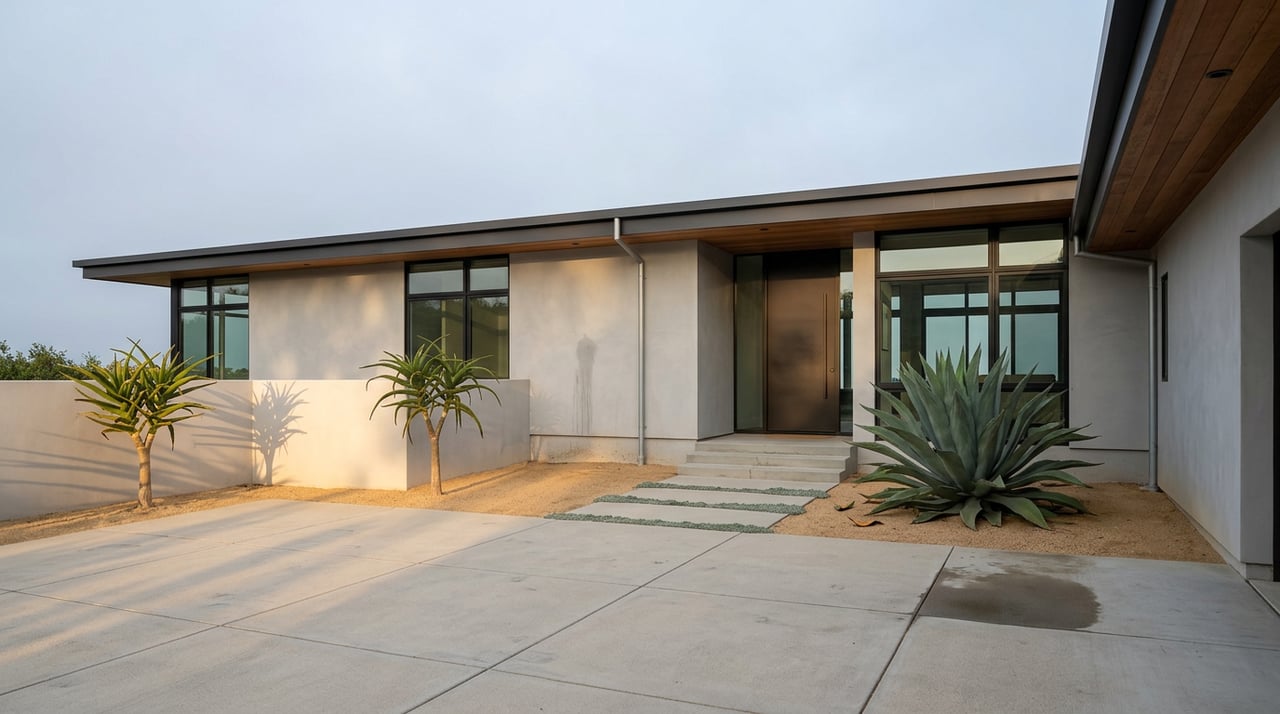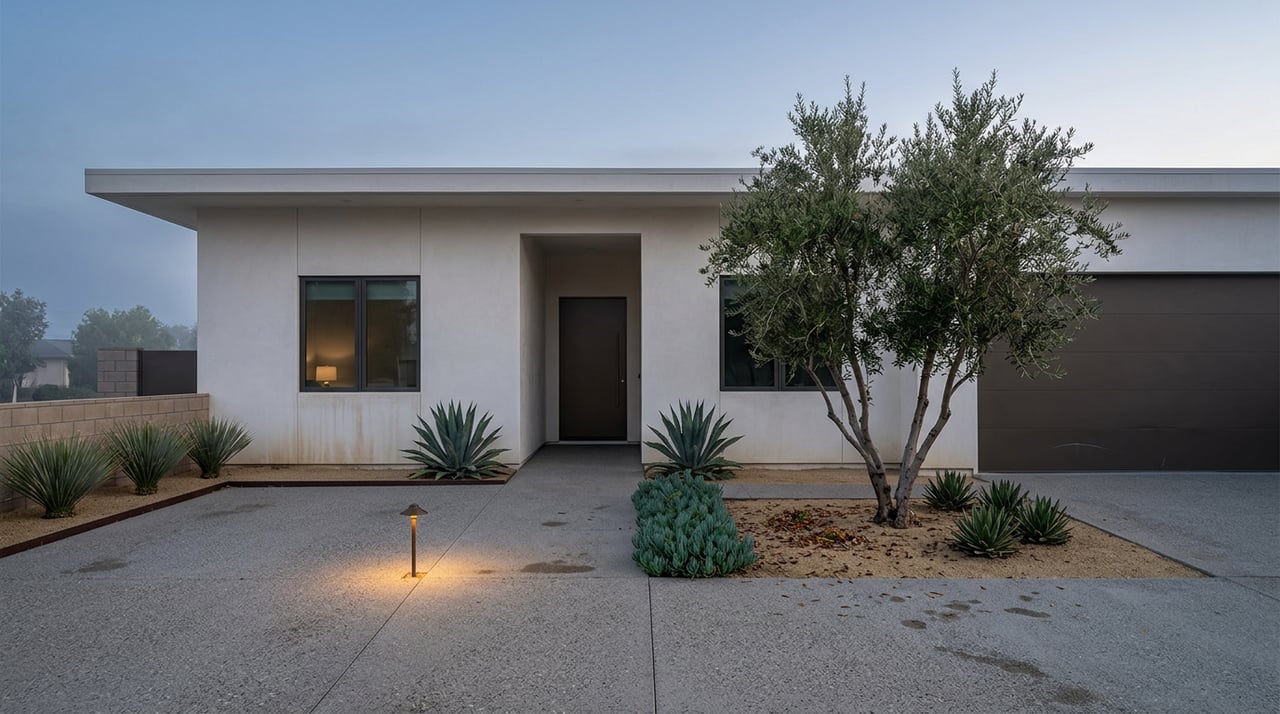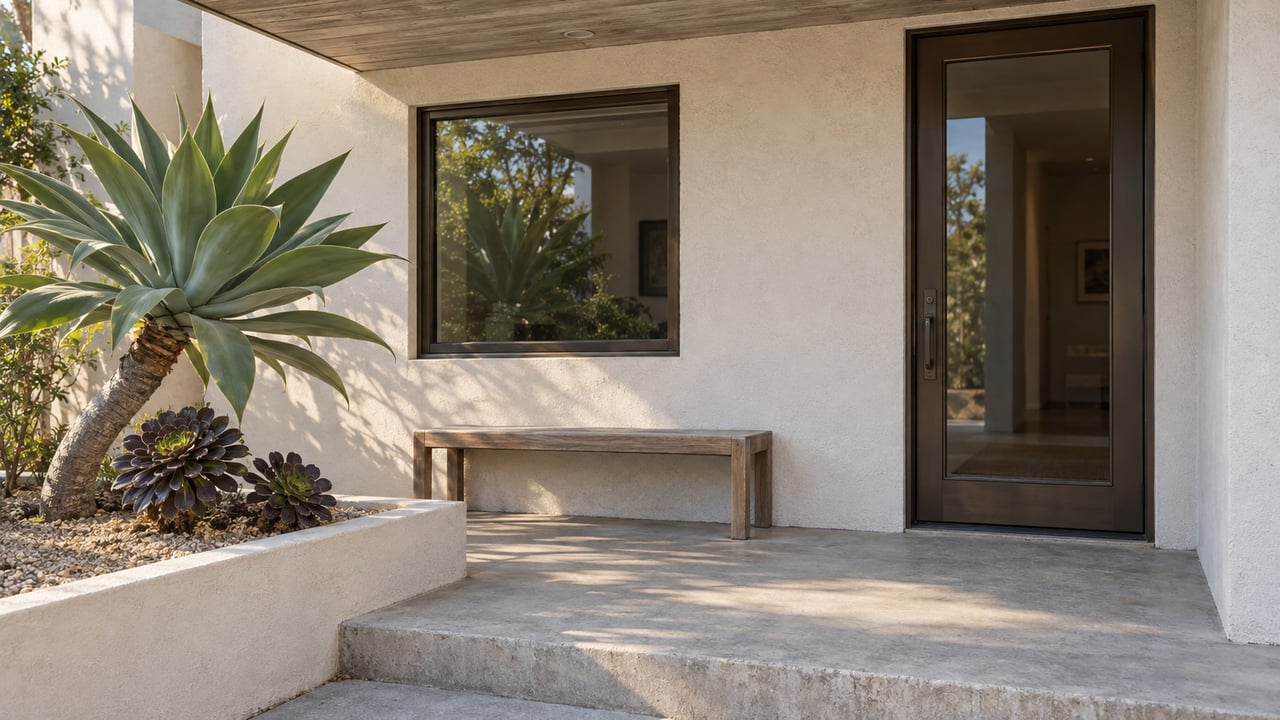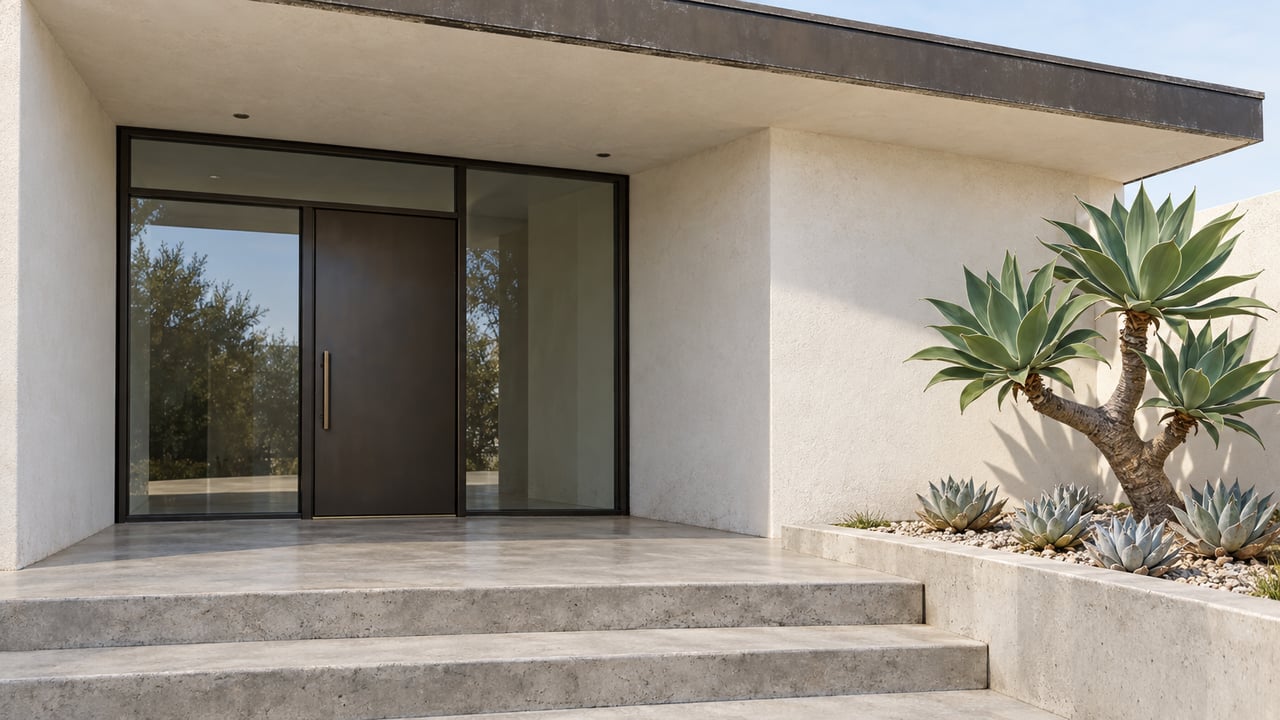
Choosing between waking up to boats gliding across Newport Harbor or waves rolling onto the sand is a good problem to have. Still, the differences matter. Your daily routine, maintenance costs, and permitting path look very different on the bay versus the open coast. This guide breaks down the real tradeoffs in boating access, beach use, rules, costs, and long‑term exposure so you can align your purchase with how you want to live. Let’s dive in.
Bayfront vs. oceanfront at a glance
- Bayfront: Calmer water, frequent private docks or nearby marinas, direct boating and protected paddle sports, plus harbor rules and periodic dredging that can affect access and maintenance.
- Oceanfront: Direct beach or bluff proximity, lifeguarded surf and shoreline recreation, stronger wind and salt exposure, and stricter coastal development oversight for shoreline protection.
- Back Bay: Scenic and nature‑oriented, but with limited motorized boat use. It is not a substitute for unrestricted harbor or ocean boating.
Boating access and daily convenience
Private docks and island living
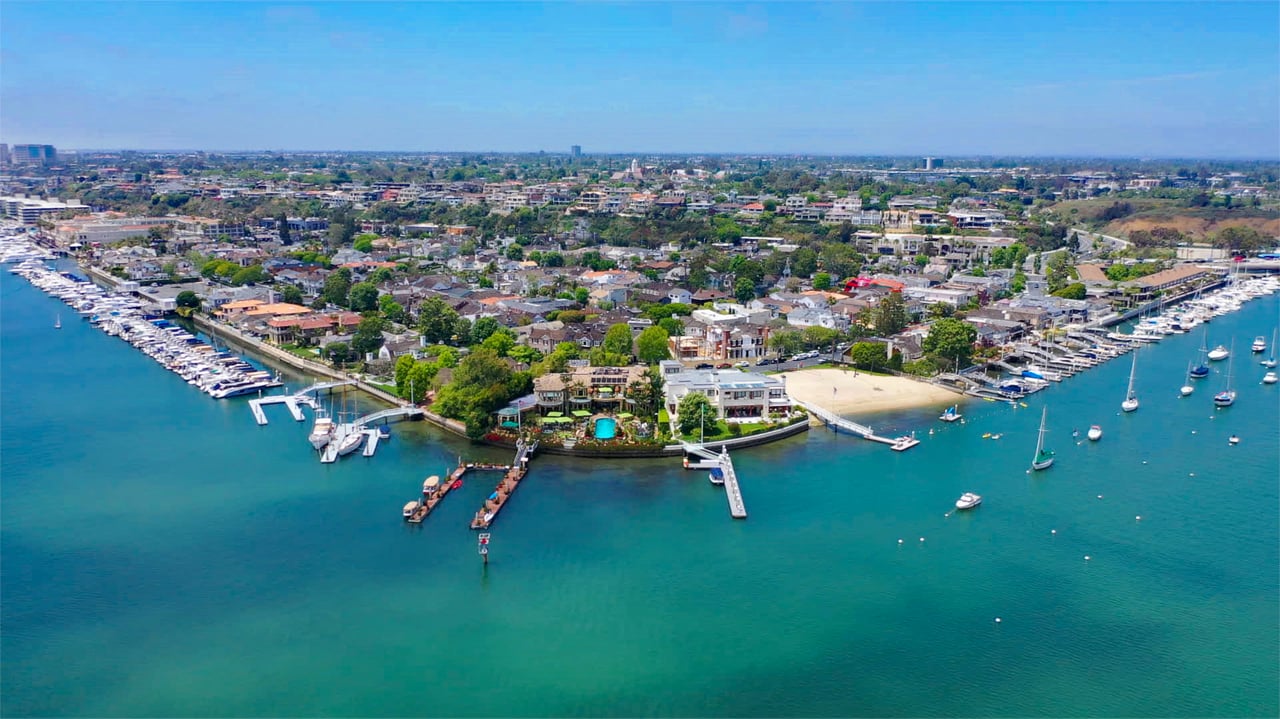
If boating is central to your lifestyle, bayfront neighborhoods were built for it. Many homes on Newport’s harbor islands and canals were designed around private dockage or assigned slips, putting you steps from your boat and calm water. Islands like Linda Isle illustrate this purpose‑built, boat‑centric fabric where docks and harbor orientation drive daily life. You can see this focus in the neighborhood’s history and layout in the Linda Isle overview.
Marinas, guest slips, and moorings
Not every bayfront sale includes a private dock, and some buyers prefer managed dockage. The harbor offers public and private options, including Newport Dunes Marina in the Back Bay with a full‑service slip program and launch ramp. The City also administers guest slips and moorings, which can help when hosting visitors or bridging a gap if a property does not convey with a dock. Availability and rules vary seasonally, so plan ahead when you expect regular boating.
Dredging and in‑water work
Newport Harbor is semi‑artificial and relies on periodic maintenance dredging. That reality touches owners in two ways. First, dock and seawall upkeep is common, and many repairs or replacements require City review and sometimes state or federal permits. Second, harbor dredging projects can temporarily affect local depth and access near certain docks or channels. The City outlines this long‑term program in its harbor dredging planning documents.
The Back Bay is different
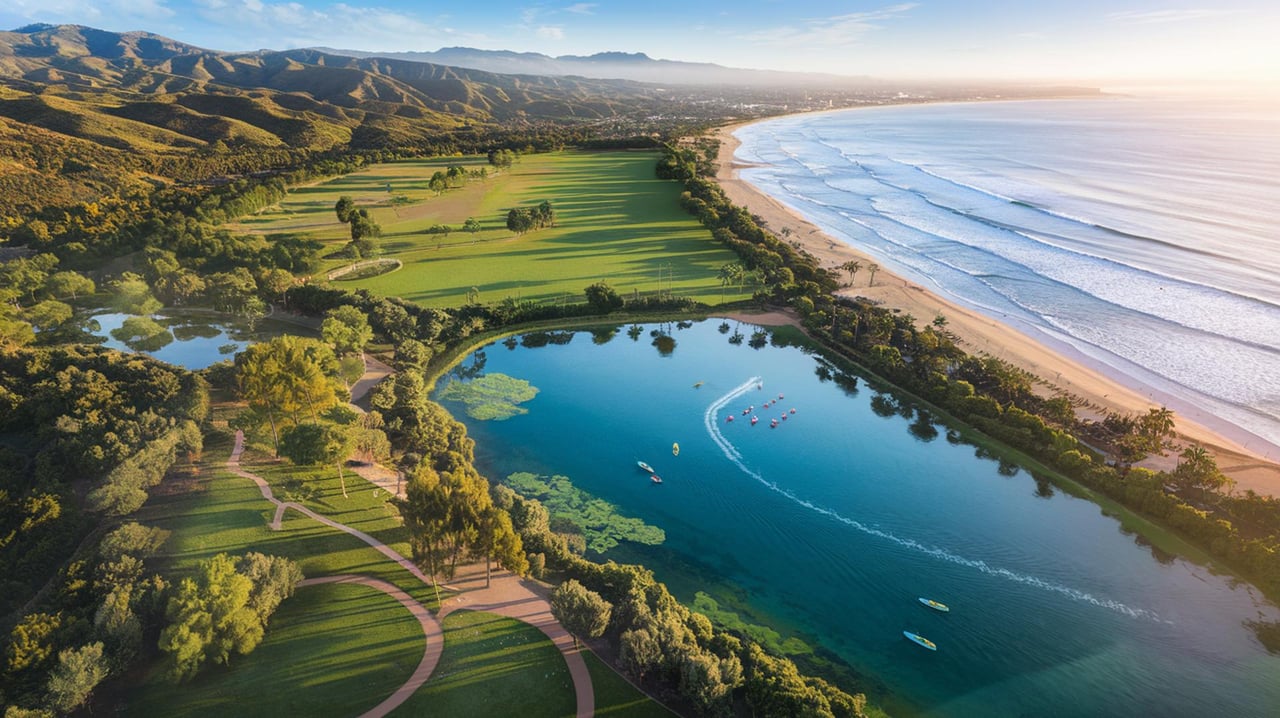
Upper Newport Bay is an ecological reserve with more limited motorized access. It is ideal for nature watching and non‑motorized craft but is not designed for unrestricted power boating. If you want frequent motorized outings, verify precisely where a property fronts and what uses are allowed. The reserve’s rules are described by the state at the Upper Newport Bay Ecological Reserve.
Beach living and coastal exposure
Public access and the beach below your home
California protects public access seaward of the mean high tide line, and the Coastal Commission actively enforces those rights. In practice, oceanfront owners enjoy immediate proximity to the shore but do not control the public beach area below the high‑tide line. The City maintains public access points and lifeguard coverage across Newport’s oceanfront. For access guidance, see the Commission’s overview of coastal public access rights.
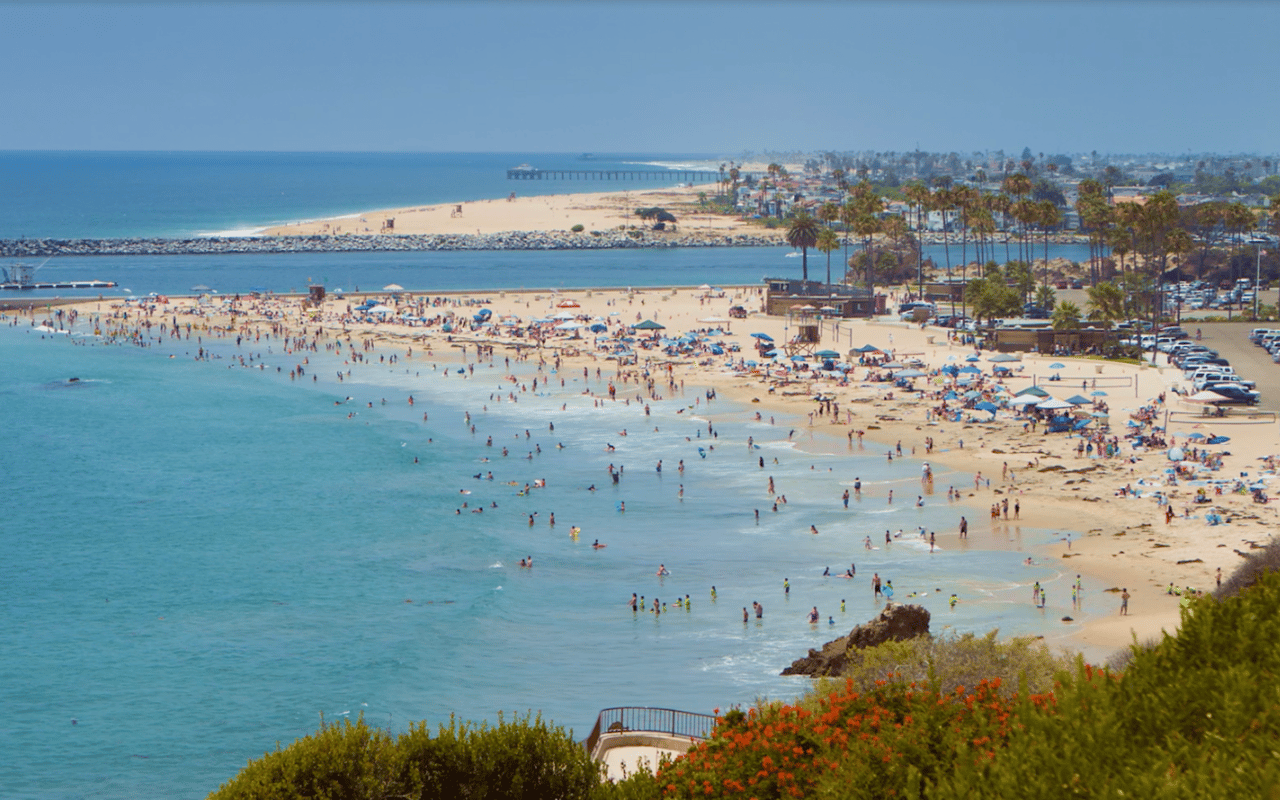
Neighborhoods with private gates or HOA paths often offer residents more convenient routes to the sand. That convenience does not privatize the public beach itself. Expect excellent day‑to‑day access for you and your guests, along with a steady flow of beachgoers during peak seasons in high‑profile areas.
Surf, waves, and bluff considerations
Oceanfront parcels live with the energy of the Pacific. Beachfront homes see wave run‑up during storm events, and bluff‑top properties must consider bluff stability and long‑term retreat. Coastal plans often limit new shoreline armoring because of its effects on natural processes and nearby public beaches. Buyers should anticipate engineering review and carefully sited design for future changes. The Coastal Commission summarizes these issues and planning approaches in its sea level rise resources.
Lifeguards and day‑to‑day safety
Newport Beach staffs lifeguard towers and a marine division along its coastline, and major surf zones like The Wedge and Balboa Peninsula have distinct safety profiles. Oceanfront living provides quick access to lifeguarded areas while also placing you near active surf conditions and rescue activity. For a high‑level view of services, see the City’s Lifeguard Operations summary.
Property types and design cues
Bayfront homes
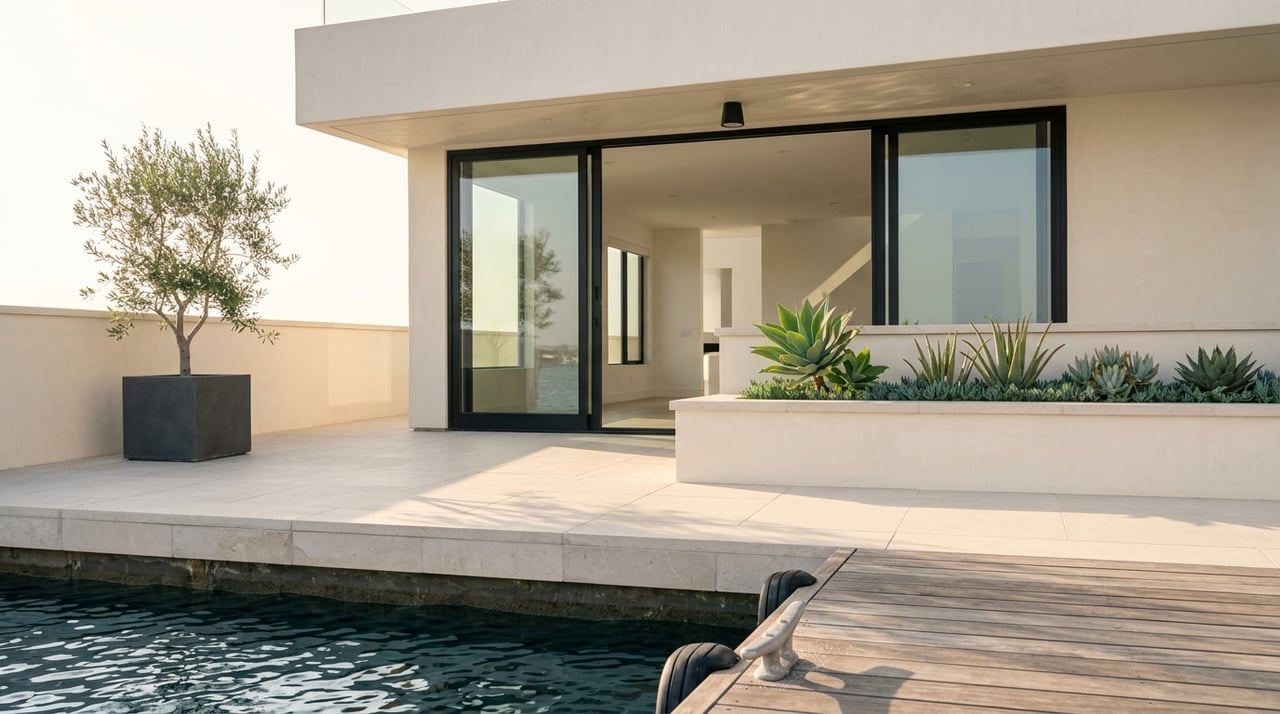
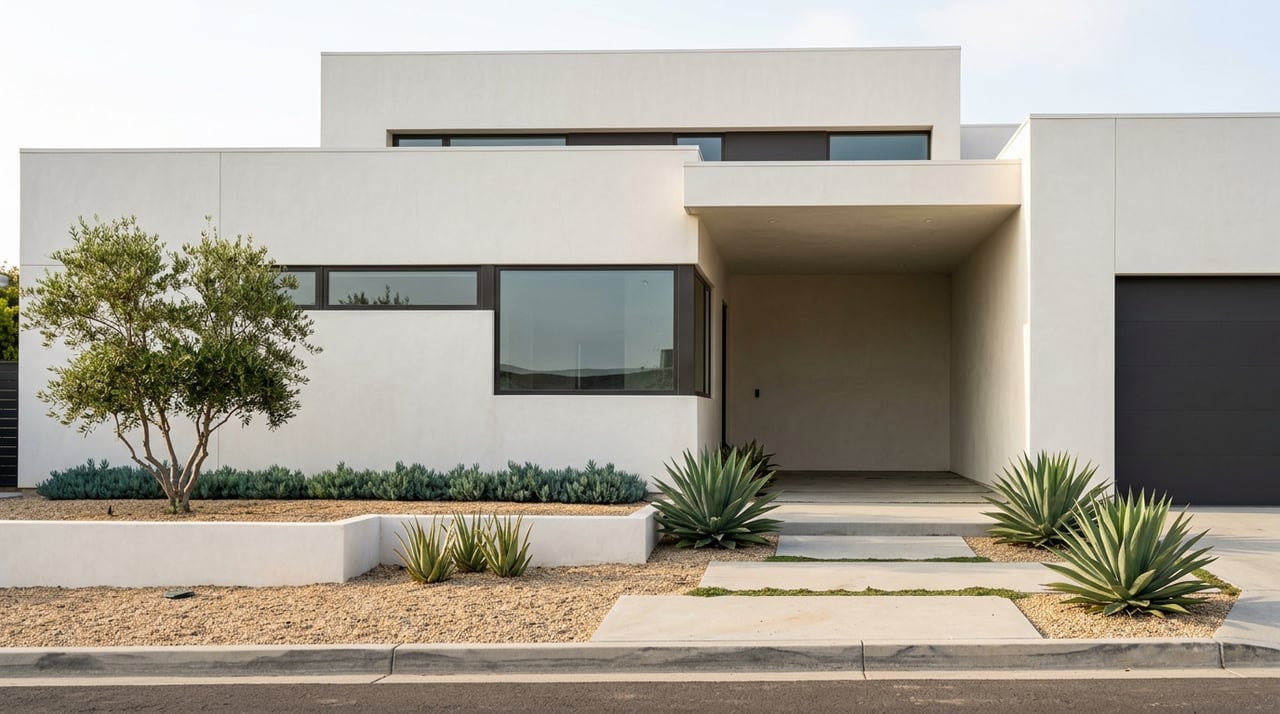
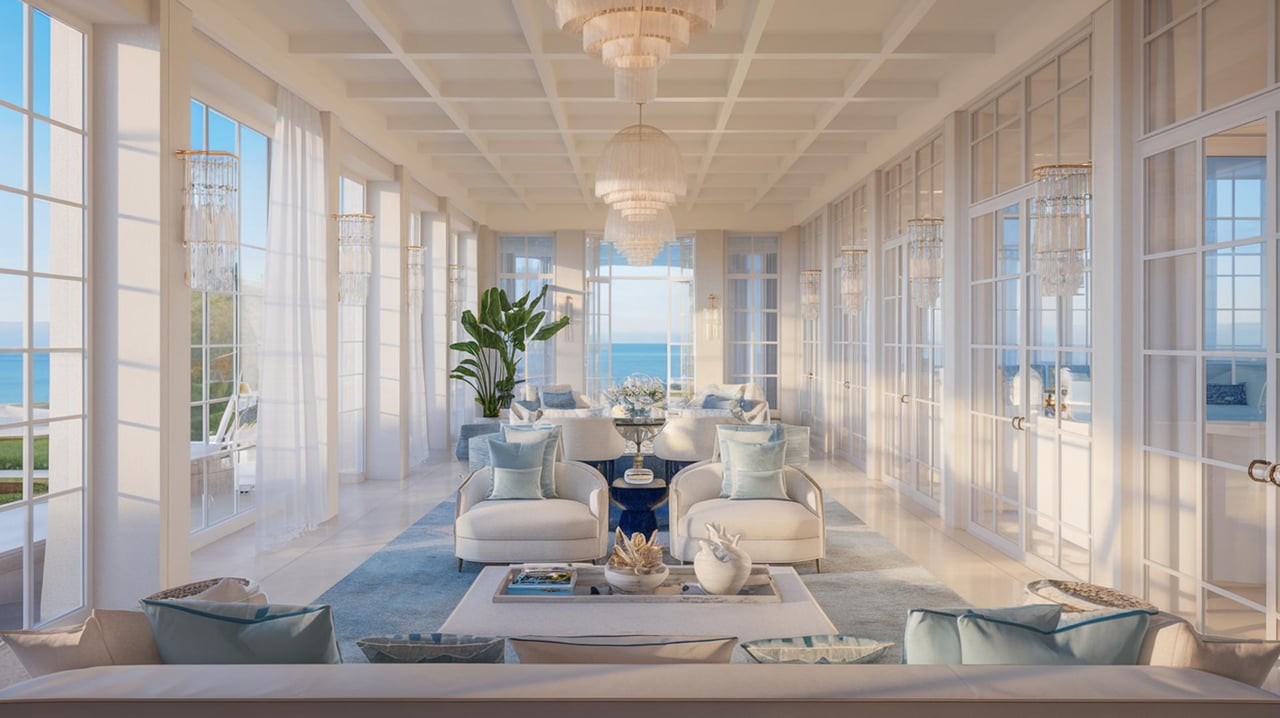
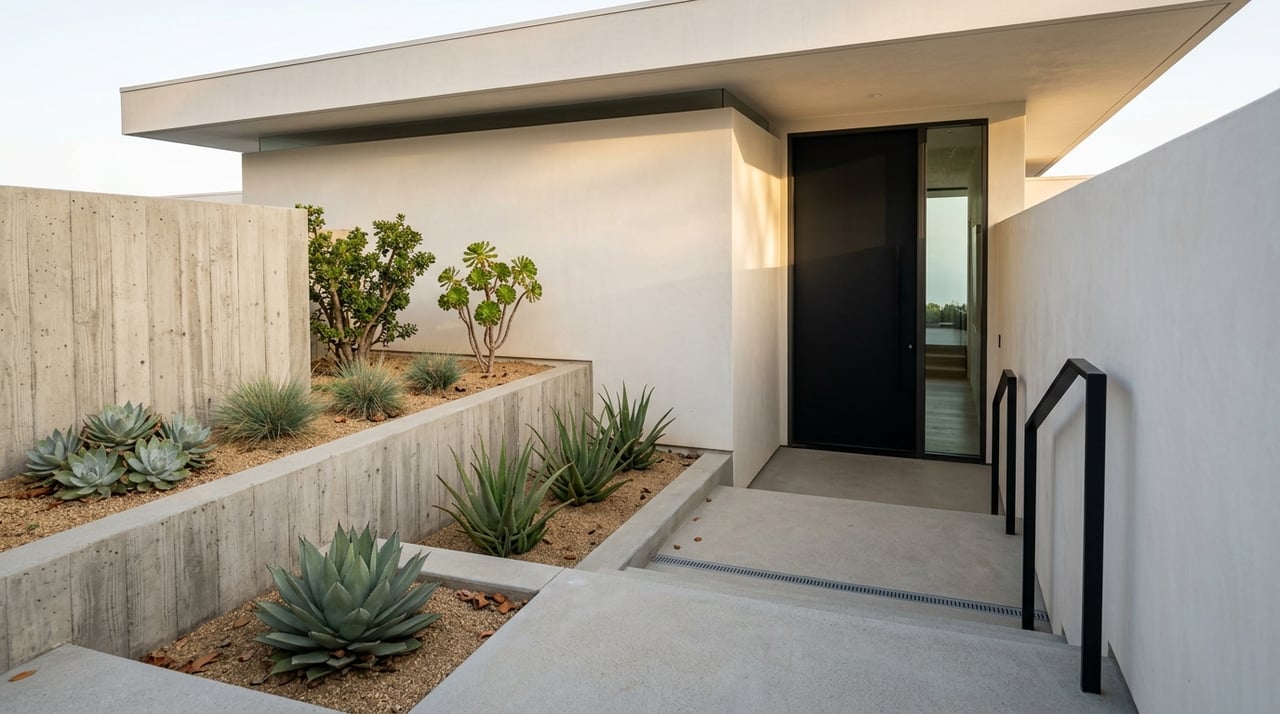
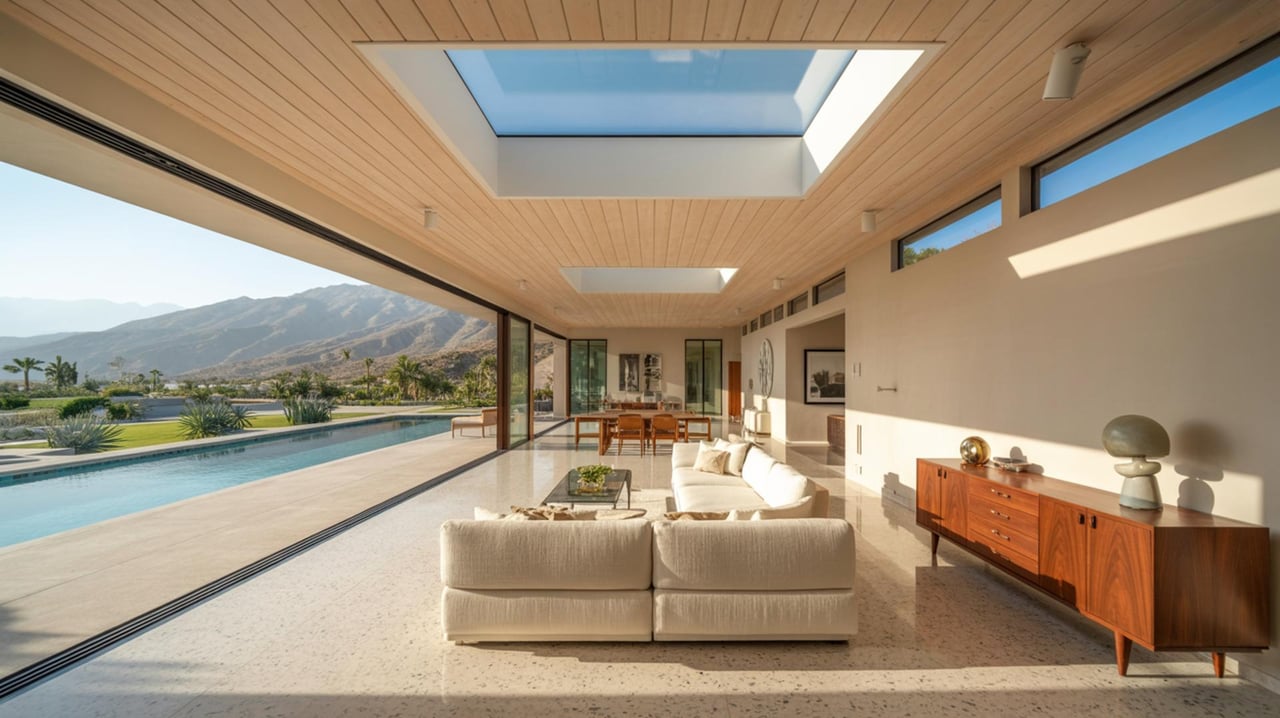
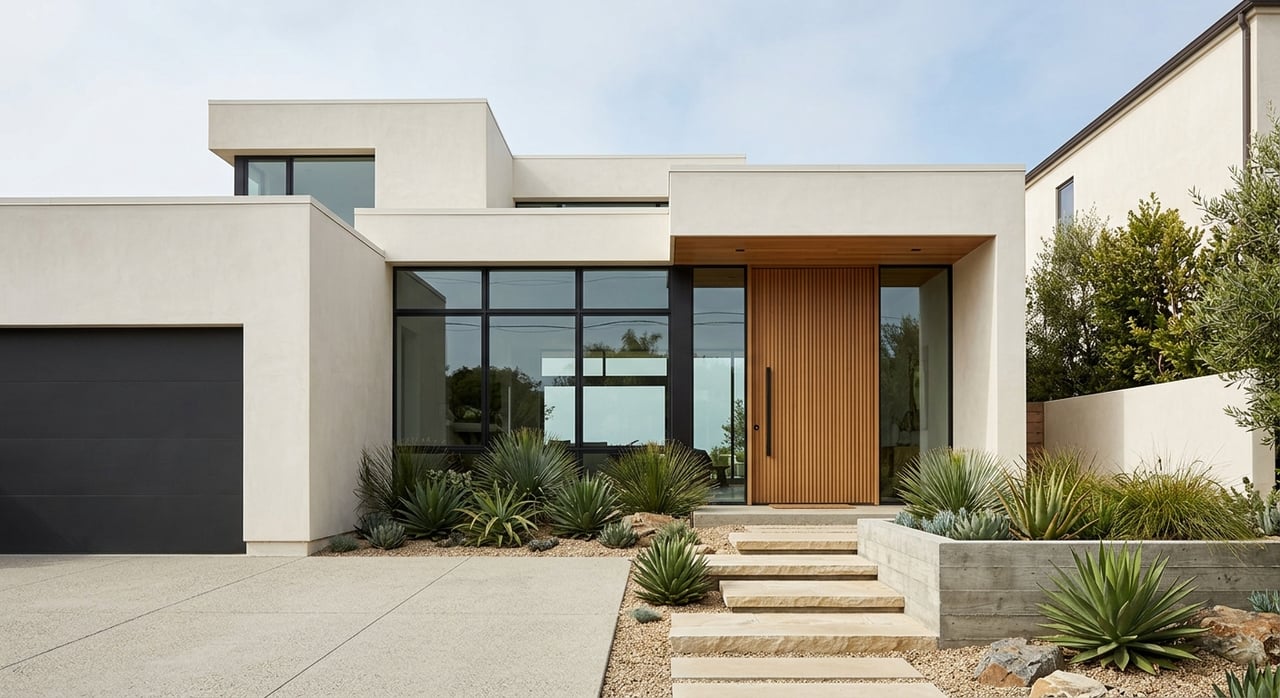
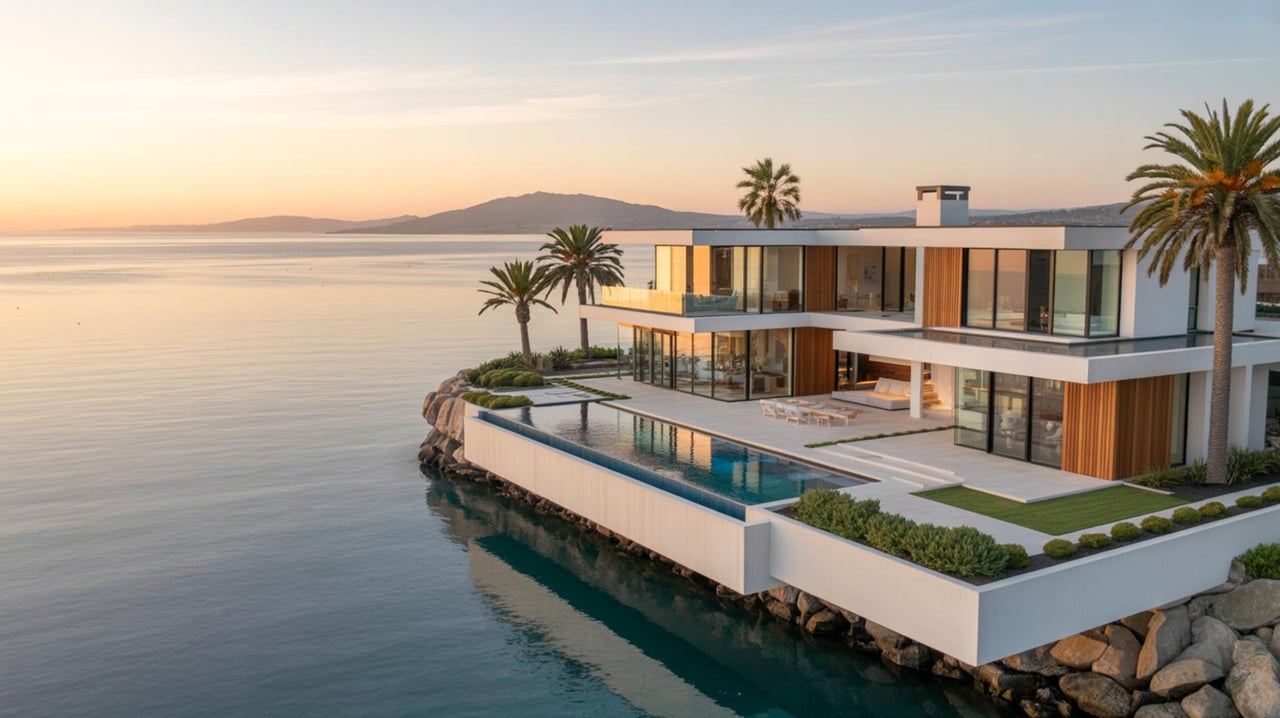
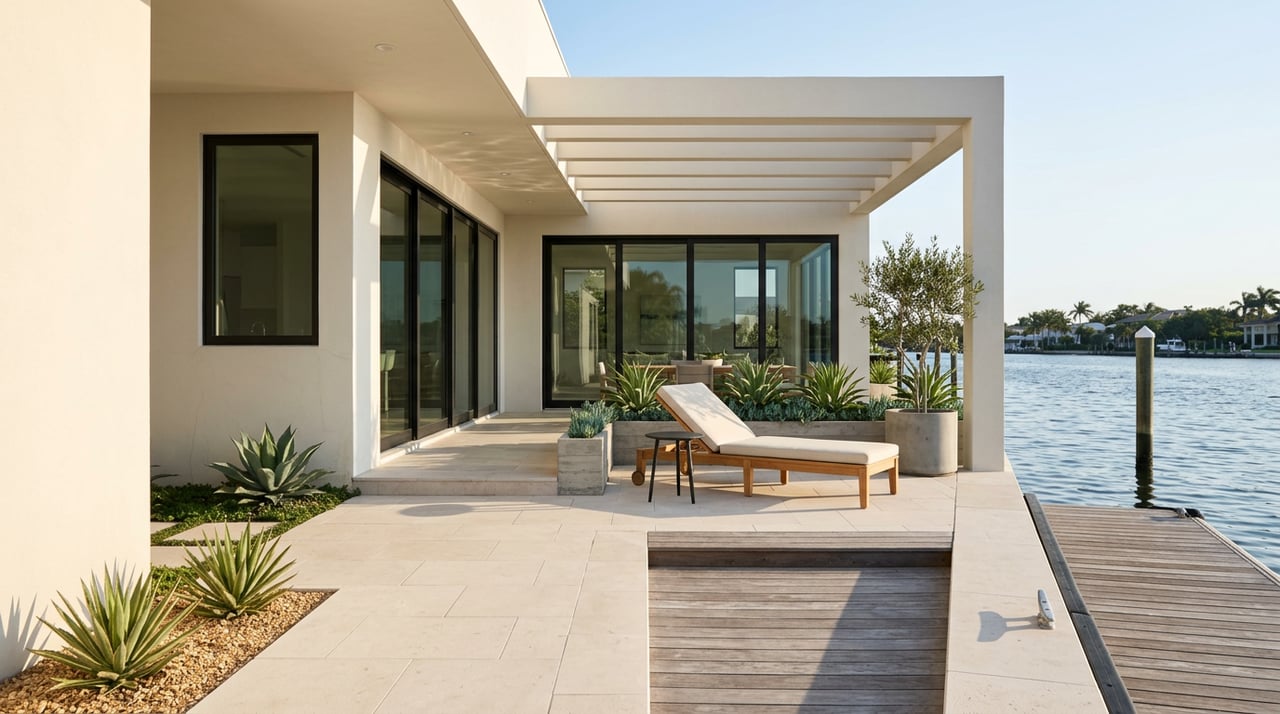
Bayfront floor plans tend to maximize water frontage with terraces, docks, and indoor‑outdoor rooms facing the harbor. You will see custom rebuilds that lean coastal‑contemporary or modern, with materials selected for salt and moisture. Long, dock‑oriented lot shapes are common on canals and islands, often with narrower street fronts.
Oceanfront and bluff homes
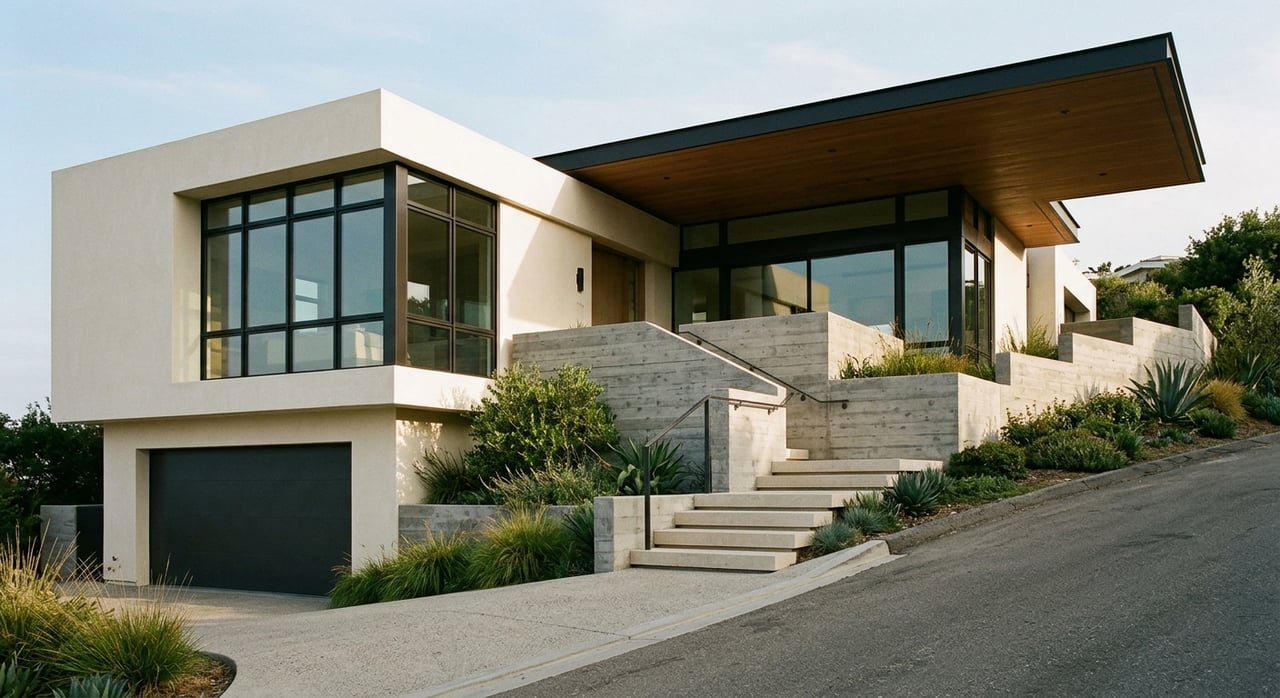
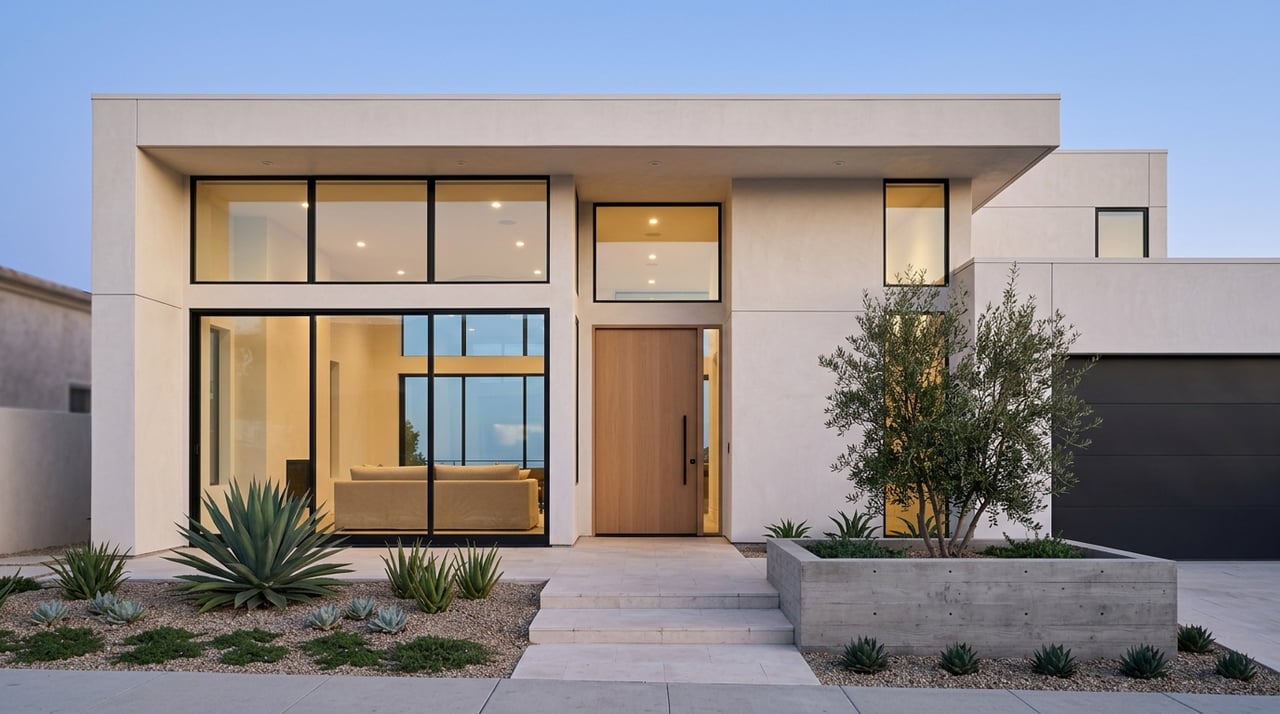
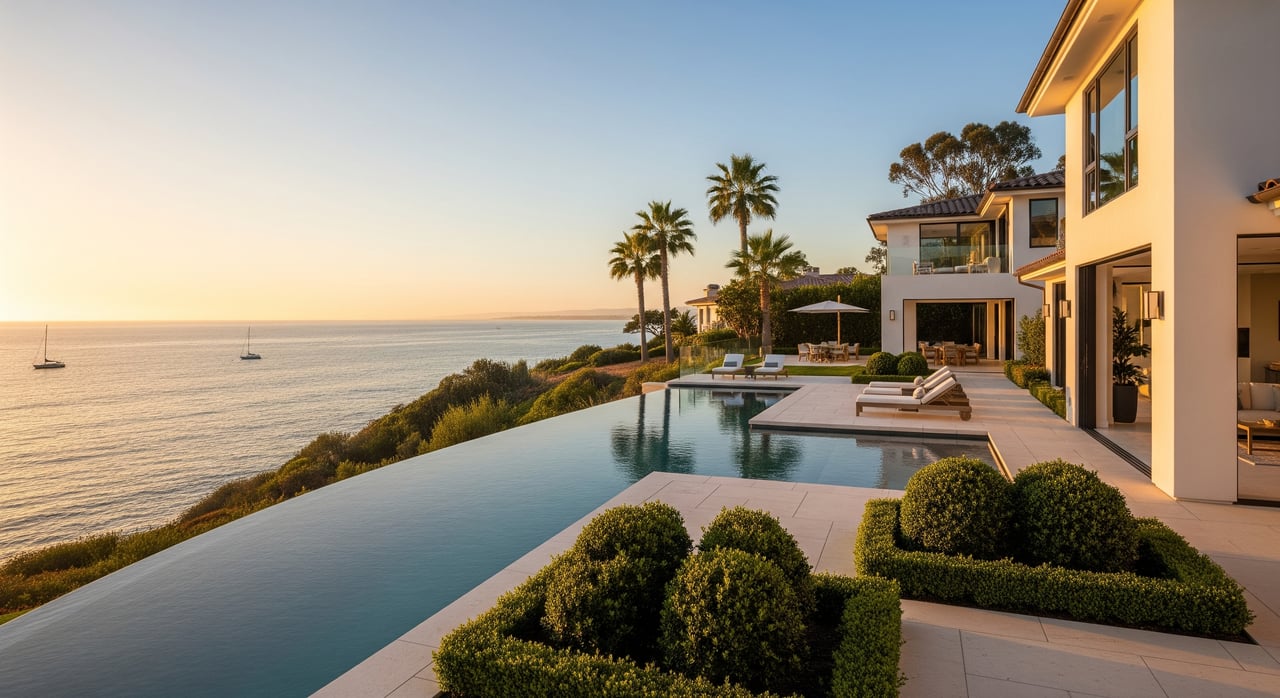
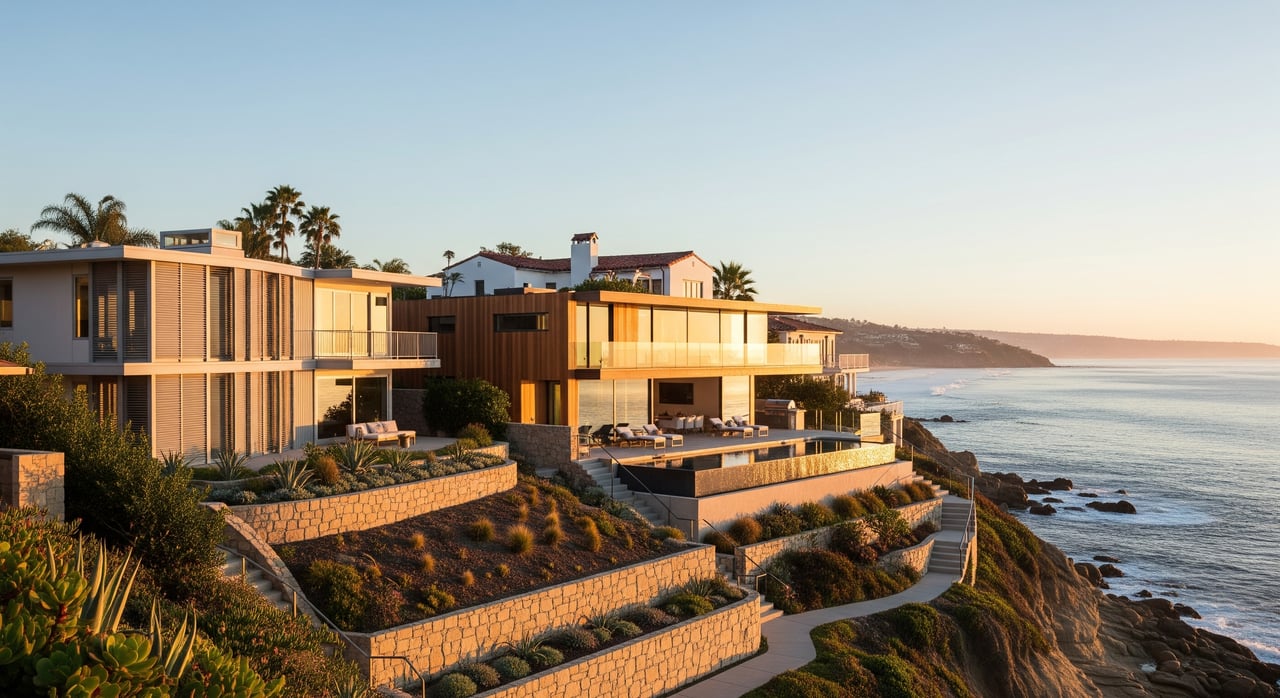
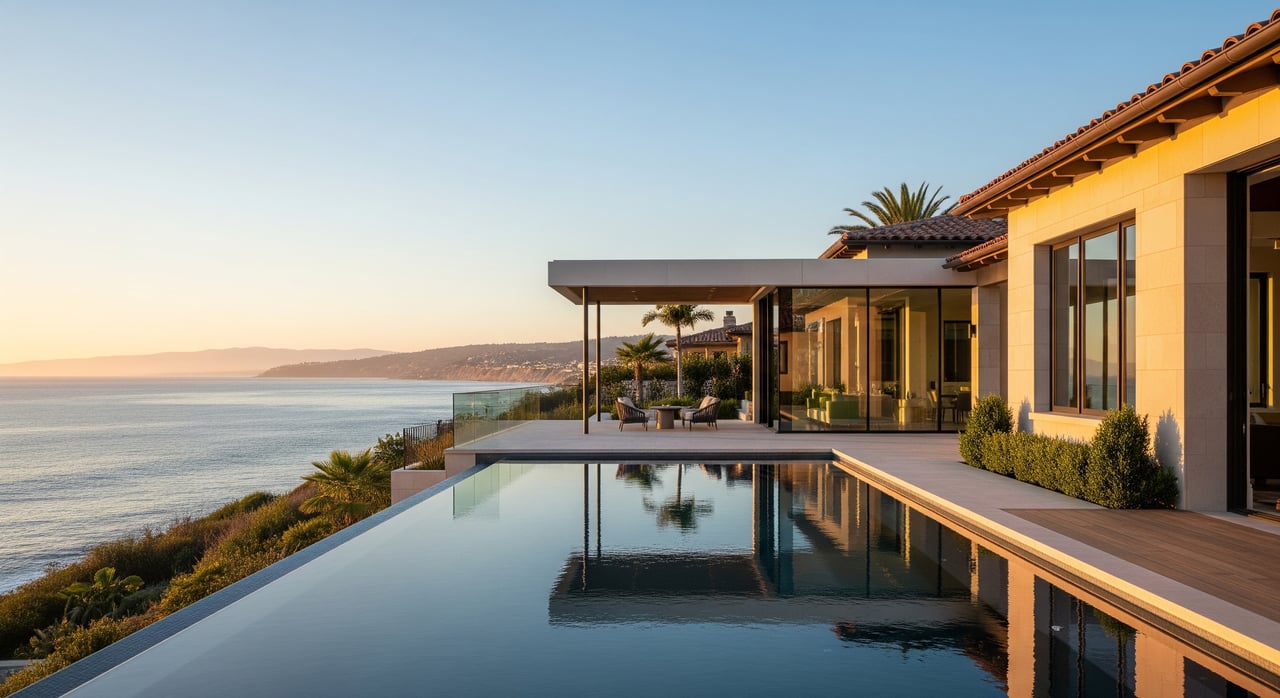
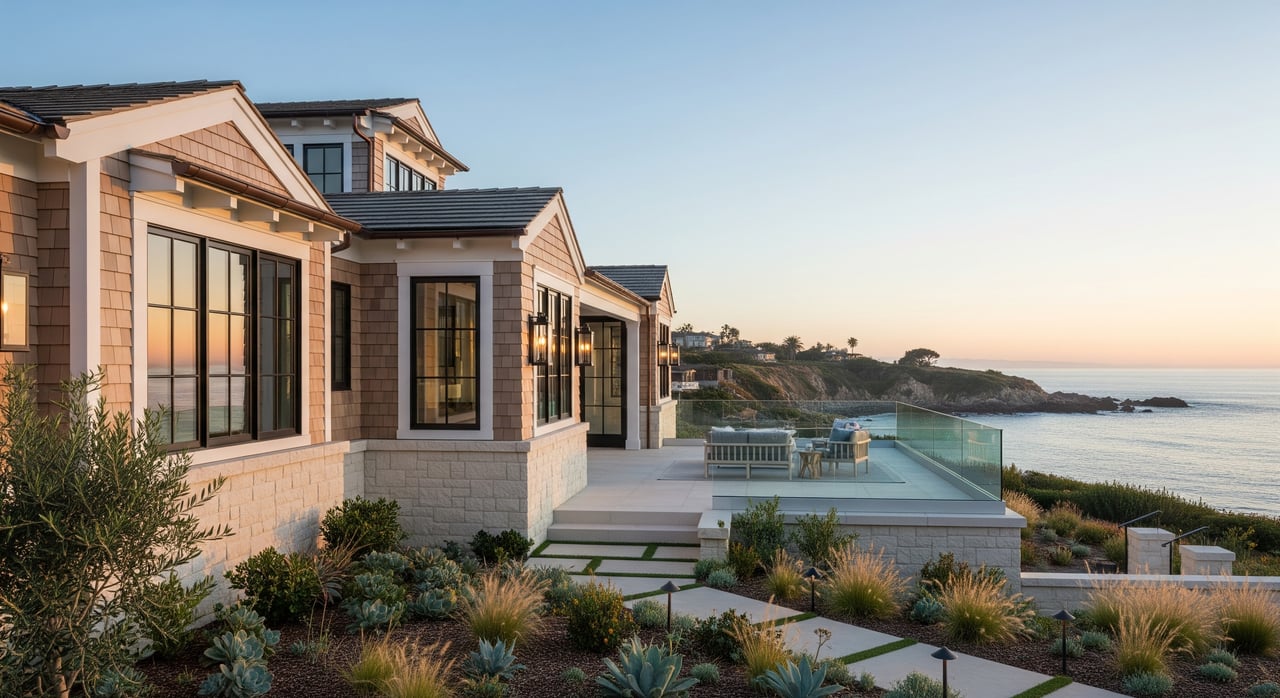
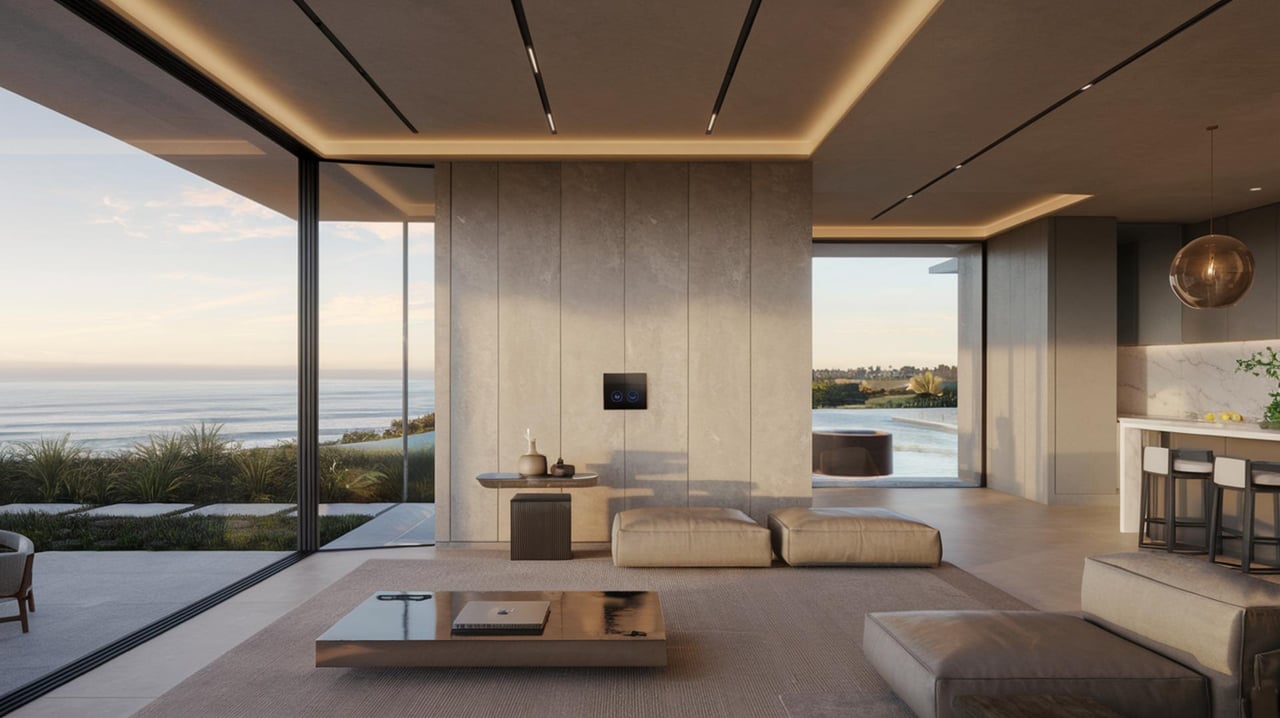
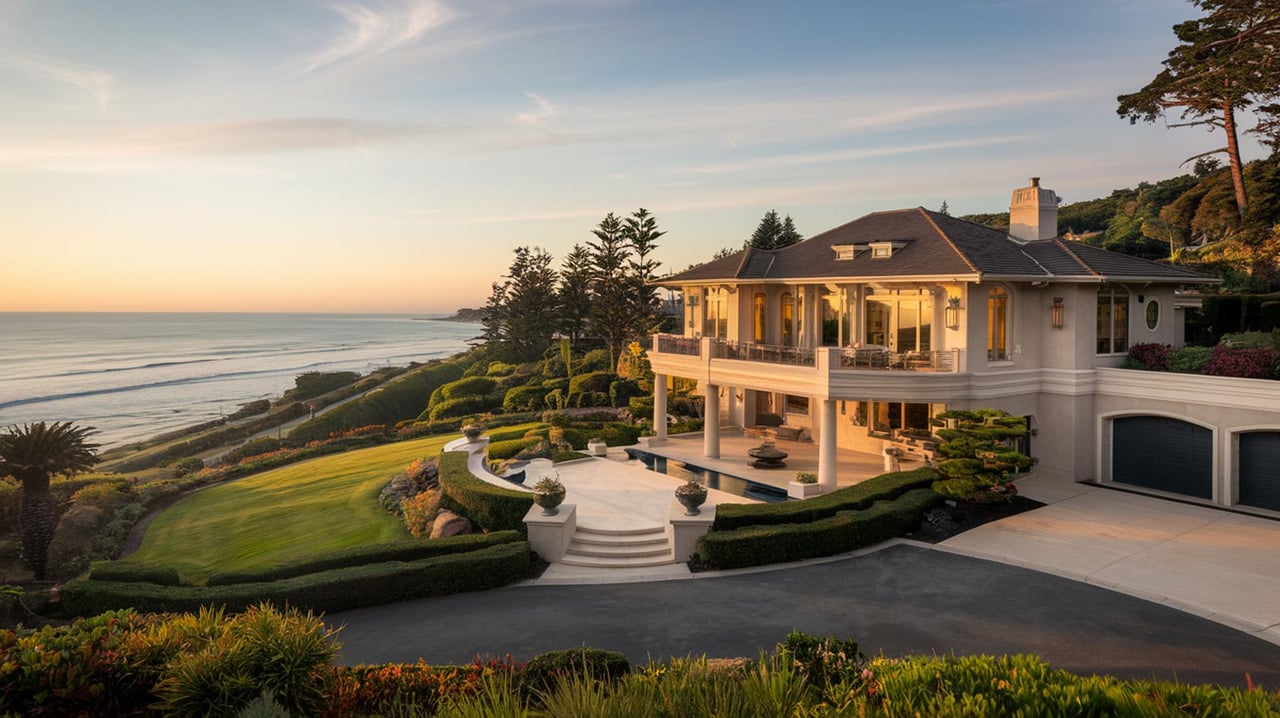
On the ocean side, design often emphasizes elevation and durable coastal materials. Beachfront and bluff‑top homes frequently incorporate large glazing for views, protective setbacks, and balconies or terraces that engage the horizon. Expect attention to corrosion resistance, wind, and spray in both finishes and hardware.
Permits, docks, and rules to know
Overwater structures, docks, and most shoreline work in Newport Beach fall under City Harbor Department review, coastal permitting in the Coastal Zone, and sometimes federal approvals. If you are buying a bayfront property, confirm whether a private dock is included, properly permitted, and transferable, and verify any recorded tideland rights or easements. The City codifies harbor standards in its Harbor and Bay Regulations.
For oceanfront or bluff parcels, expect more scrutiny on shoreline protection, siting, and geotechnical factors. New seawalls or revetments are often limited and may require mitigation. Planning for resilient finished‑floor elevations and flood pathways is common near the coast.
Costs, insurance, and long‑term exposure
Ongoing maintenance
- Bayfront: Budget for dock upkeep, corrosion control, and potential impacts from harbor maintenance or dredging. City planning materials confirm dredging is a recurring management tool in Newport Harbor.
- Oceanfront: Plan for salt and wind wear, as well as periodic bluff or shoreline assessments. Shoreline protection, where allowed, can be expensive and may come with conditions.
Flood zones and insurance
Flood and hazard maps influence both design and insurance. Oceanfront parcels are often in higher‑risk coastal zones that can carry stronger elevation or mitigation requirements, while bayfront lots may also sit in Special Flood Hazard Areas depending on elevation. As part of diligence, pull the current FEMA Flood Insurance Rate Map for the address and request insurer quotes early. Start with the FEMA Map Service Center.
Sea level rise planning
Both low‑lying harbor edges and oceanfront areas face long‑term sea level rise exposure. State guidance recommends scenario‑based planning for mid‑century changes, including more frequent high‑tide flooding and storm run‑up. Use state resources to visualize potential exposure and discuss adaptation standards with your design team. California’s Ocean Protection Council provides the statewide sea‑level rise guidance.
Neighborhood signals to help you focus
- Balboa Peninsula, ocean side: Direct sand access, a boardwalk vibe, lifeguarded surf, and strong public use during peak seasons.
- Balboa Island, Lido Isle, Linda Isle: Harbor‑centric living with many homes configured for boating and island social life, plus proximity to channel cruising and paddle routes.
- Corona del Mar: Bluff‑top viewpoints and convenient pocket beaches that feel more sheltered than the main peninsula, with some neighborhoods offering resident‑only access paths.
- Newport Coast and Crystal Cove: Bluff‑top estates with dramatic views and quick access to state park beaches, while being more separate from daily harbor activity.
Which is the better fit for you?
- Choose bayfront if you want to step onto your boat, enjoy protected sailing and paddle sports, and value calm‑water views with harbor activity as your backdrop.
- Choose oceanfront if daily beach walks, surf access, and endless horizon views define your ideal day, and you are comfortable with higher exposure to wind, salt, and public beach activity.
- Consider bluff‑top living if you want ocean views and privacy above the sand, and you are ready to account for geotechnical factors and access pathways.
Buyer due‑diligence checklist
Use this quick list to de‑risk your decision and speed up escrow:
- Confirm whether the parcel fronts the Lower Harbor or the Upper/Back Bay and review allowed uses for that shoreline segment. The state’s resource page explains the Upper Newport Bay Ecological Reserve.
- Ask whether a private dock is included, permitted, and transferable, and request any tideland leases or recorded easements. Cross‑check against City Harbor and Bay Regulations.
- Review recent or planned harbor dredging near the property using the City’s harbor dredging study, since it can affect access and timelines for in‑water work.
- For oceanfront or bluff parcels, request any geotechnical or bluff‑stability reports and understand any history of armoring or permitting limitations. The Commission’s sea level rise resource outlines common constraints and planning approaches.
- Pull the FEMA FIRM panel for the property and request insurer quotes early through the FEMA Map Service Center. Ask the seller for an elevation certificate if available.
- Review any HOA and CC&R rules affecting parking, guest access paths, dock leasing, or short‑term rentals to ensure they match your use plans.
Your next waterfront move
Whether you are leaning toward a dock‑out‑back harbor lifestyle or sand‑front mornings, an informed choice protects both your enjoyment and your investment. If you want a seasoned, principal‑led perspective on specific streets, permitting paths, or off‑market opportunities, connect with us. Schedule a Private Consultation with Golding Realty Inc..
FAQs
What is the main difference between bayfront and oceanfront in Newport Beach?
- Bayfront offers calmer water with frequent private docks and protected boating, while oceanfront provides direct beach or bluff access with stronger wind, surf, and coastal permitting considerations.
Do I own the beach in front of an oceanfront home?
- No. California protects public access seaward of the mean high tide line, which remains open to the public regardless of adjacent private ownership, as outlined by the Coastal Commission.
Can I add or expand a private dock on a bayfront lot?
- Not automatically. Dock eligibility depends on lot specifics, recorded tideland rights, and permits. Start with City Harbor and Bay Regulations and confirm with the Harbor Department.
Is oceanfront always pricier than bayfront in Newport Beach?
- Direct sand parcels often command premiums, but exclusive harbor islands with significant dockage can also top the market. Rely on current, property‑specific comps for an accurate picture.
How do flood zones and insurance differ between bayfront and oceanfront?
- Oceanfront parcels are frequently in higher‑risk coastal zones that can drive stricter building and insurance requirements. Bayfront lots may also fall in Special Flood Hazard Areas depending on elevation. Verify at the FEMA Map Service Center.
How does sea level rise affect bayfront and oceanfront choices?
- Both face long‑term exposure. Oceanfront sites confront wave impacts and potential bluff retreat, while low‑lying harbor edges can see more frequent tidal flooding. Plan using the state’s sea‑level rise guidance.