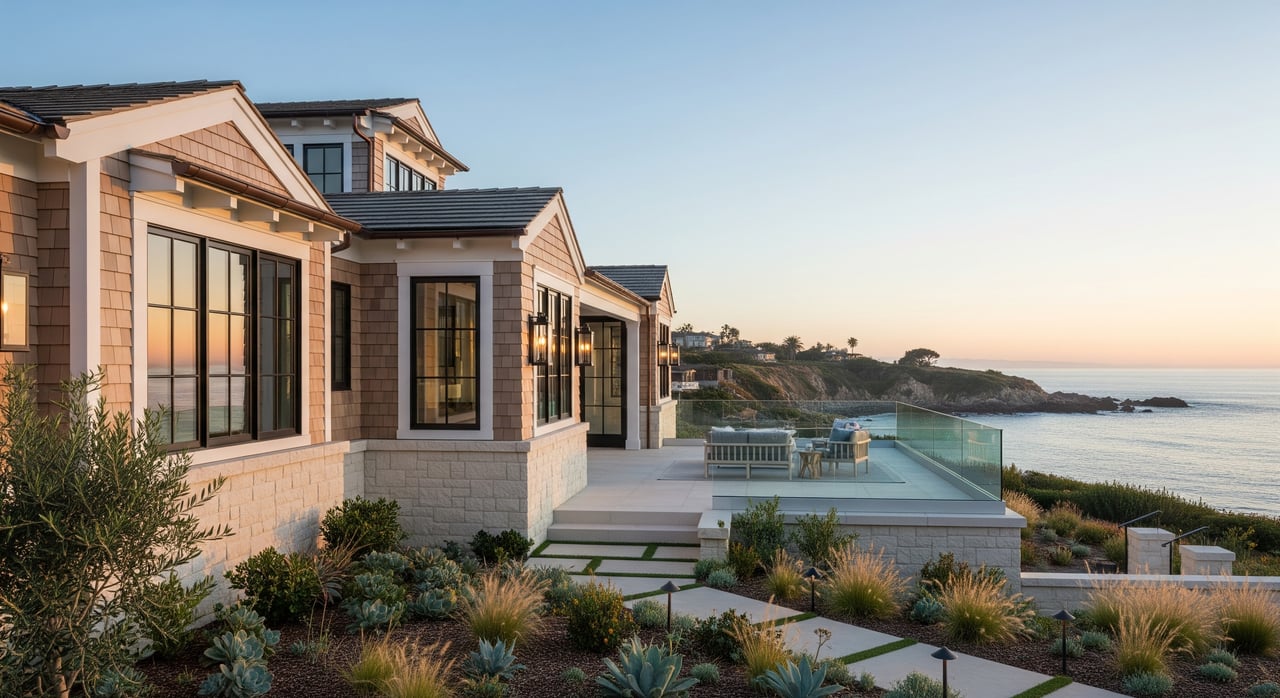
Buying a bayfront home in Newport Beach can feel like the ultimate lifestyle move, but it also comes with details that matter far more here than they do in many other markets. You are not just choosing a house with a view. You are evaluating harbor access, dock rules, flood exposure, orientation, and the day-to-day rhythm of a very specific waterfront setting. If you want to buy well and avoid expensive surprises, it helps to know what to study before you fall in love with the address. Let’s dive in.
Bayfront Means Different Things Here
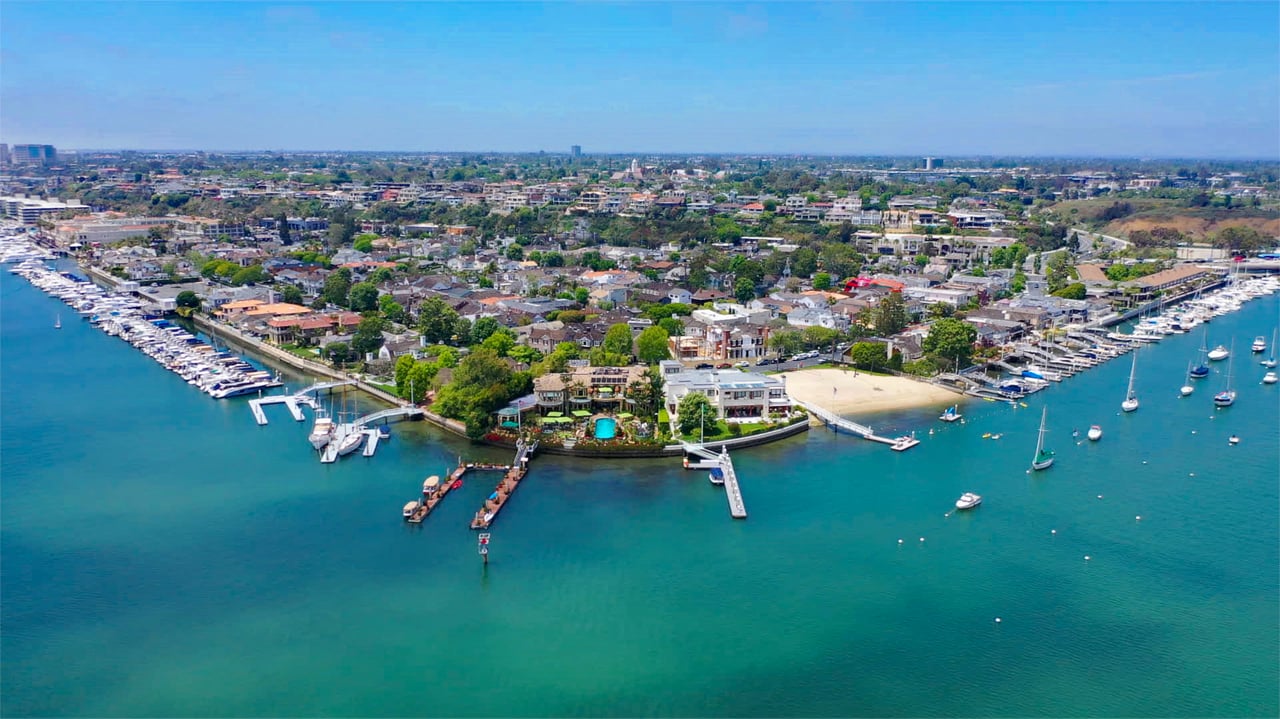
In Newport Beach, “bayfront” is not one uniform category. The city describes Balboa Peninsula as a three-mile stretch between Newport Harbor and the Pacific Ocean, and it also identifies multiple harbor islands and districts such as Lido Marina Village, Mariner’s Mile, and Balboa as distinct parts of the community.
That matters because a bayfront home on the Peninsula can offer a very different experience than a home on a residential island or near a marina-focused commercial area. Some locations are closely tied to activity, dining, shopping, and boating traffic, while others are more purely residential in character.
The city also notes that several islands in Newport Harbor are strictly residential, including Bay Island, Collins Island, Harbor Island, Lido Isle, Linda Isle, Little Balboa Island, and Newport Island. When you compare homes, you should look beyond the water frontage itself and consider how each micro-location fits the lifestyle you want.
Start With the Exact Micro-Location
A strong bayfront purchase starts with understanding where the home sits within Newport Harbor. A property near Lido Marina Village or Mariner’s Mile may place you closer to waterfront retail, dining, marine services, and a more active boating environment.
By contrast, a home in a quieter residential enclave may offer a more private day-to-day feel. Neither is automatically better. The right choice depends on whether you value convenience and energy or a more tucked-away waterfront setting.
This is one reason principal-led local guidance matters in Newport Beach. Two homes can both be described as bayfront, yet their use, atmosphere, and long-term appeal can differ meaningfully based on location alone.
Evaluate Dock and Slip Access Carefully
If boating is part of your plan, do not treat a dock or slip as a simple bonus feature. Newport Harbor is more than three miles in length, and the city notes that the main channel runs inside the Balboa Peninsula and among the harbor islands.
The harbor also operates under a no-wake rule and a 5 mph speed limit. For many buyers, that sounds straightforward, but the real issue is how the property functions for your vessel and boating habits.
According to the city, the approximate depth in the center of the main channel is 20 feet. The controlling depth on the outside of the channel is about 8 feet, and along Lido Isle it can be as little as 9 feet. The city also notes that boats drawing more than 6 feet should watch tide and depth continuously when outside the main channel.
That means you should confirm more than whether a home has water access. You should understand whether that access works for your boat in real conditions.
Questions to ask about boating access
- Is there an on-site dock, pier, or slip tied to the property?
- What vessel size does the setup realistically accommodate?
- How does water depth change with tide and location?
- Is the property near the main channel or in shallower near-shore water?
- Has the area experienced shoaling that could affect usability?
Understand Newport Beach Dock Rules
Residential piers and slips in Newport Beach are closely regulated. The city’s harbor code states that residential piers and slips must be set back at least five feet from the prolongation of the property line, no private piers are permitted at street ends, and joint-ownership piers may be approved at common lot lines.
The code also says piers, floats, and dock structures should be designed to minimize impacts on eelgrass and marine habitat. They also need to be sited in relation to water depth and accessibility.
For you as a buyer, this means a dock is not simply a private improvement you can assume will be easy to alter later. If your long-term plan includes modifying an existing structure or improving access, you should review the property’s current setup and the applicable city requirements early in the process.
Check Permit Status Before Closing
If a bayfront home includes a pier or dock, permit status deserves a direct review. Newport Beach states that pier permit transfers require a complete buyer-seller application, an inspection, and reinspection if needed, with the transfer process generally taking 5 to 15 working days.
That timeline may sound manageable, but it still adds an important layer to your purchase planning. You want clarity on whether the existing improvements are properly documented and whether any open issues could delay transfer or create post-closing work.
If you are considering future construction, the city also directs owners to the Harbor Design Criteria and municipal code requirements before planning work. In practice, it is wise to treat dock due diligence with the same seriousness you would give the house itself.
Know the Difference Between On-Site Docking and Harbor Options
Not every bayfront purchase will deliver the exact on-site boat setup you want. In some cases, a home may rely more on nearby harbor resources than on a private dock configuration.
The Harbor Department handles moorings, guest slips, anchorages, and vacant rental assignments. The city also notes that Balboa Yacht Basin Marina provides 172 slips for vessels from 31 to 75 feet, with monthly-only slips and annual summer rate adjustments.
There is also harbor anchorage between Lido Island and Bay Island with a minimum depth of about 10 feet, but the city limits anchorage to 72 hours and states that boats may not be left unattended in the evenings or during inclement weather. These are useful facts if boating access is central to your purchase, because they show the difference between a true private-dock lifestyle and supplemental harbor access.
Ask About Dredging and Long-Term Usability
Water access can change over time. Newport Beach notes that even simple dredging projects require permits from multiple federal and state agencies, and the city manages small maintenance dredging through its established process.
For a buyer, the takeaway is simple: depth and access are not static. A slip or near-shore approach that works today may still require ongoing attention if sediment builds up or if channel conditions change.
This does not mean you should avoid the property. It means you should ask practical questions about current usability, historical maintenance, and whether the water access you are buying aligns with how you actually plan to use it.
Flood Risk Is a Core Bayfront Issue
Luxury waterfront ownership does not remove flood considerations. Newport Beach’s sea-level-rise appendix states that climate change and sea level rise threaten shoreline development and that as little as six inches of sea level rise may negatively affect low-lying areas around Newport Bay that are not protected by bulkheads or seawalls.
The city also states that it understands there is a threat of flooding and inundation in and around Newport Harbor. For buyers, that makes flood review a basic part of due diligence rather than a side issue.
Newport Beach also explains that mortgage lenders use FEMA flood maps to determine whether flood insurance is necessary, and the city participates in the National Flood Insurance Program. An elevation certificate may also be needed to determine whether a dwelling is above or below FEMA’s Base Flood Elevation.
Flood due diligence checklist
- Confirm the exact flood zone for the property
- Review the FEMA map panel and effective date
- Ask whether an elevation certificate already exists
- Determine whether flood insurance may be required by your lender
- Understand how flood-related requirements could affect future renovation plans
Look Closely at Bulkheads and Seawalls
For many bayfront homes, the condition of the bulkhead or seawall may be just as important as the condition of the kitchen or roof. The city’s sea-level-rise appendix makes clear that low-lying shoreline areas face real exposure, especially where protection is limited.
At the same time, the appendix notes that hard armoring can contribute to coastal squeeze, where seaward land and beach systems have less room to migrate inland over time. While that is a broader planning issue, it is still relevant to buyers because shoreline improvements have both practical and long-range implications.
In a bayfront purchase, you should understand what shoreline protection exists, its apparent condition, and how it relates to the site’s elevation and flood exposure. This is one area where careful inspection and local transaction experience can protect you from underestimating future costs.
Views Carry Value, but Not All the Same Value
Bayfront buyers often pay a premium for water views, but not every view commands the same market response. Research cited in the report suggests that water-view premiums can change with market cycles and that value tends to decline as distance from the coast increases.
For Newport Beach, those findings should be treated as directional rather than as a pricing formula. Still, the practical lesson is useful: a broad, open water outlook may offer a different value profile than a narrower or more obstructed bay view.
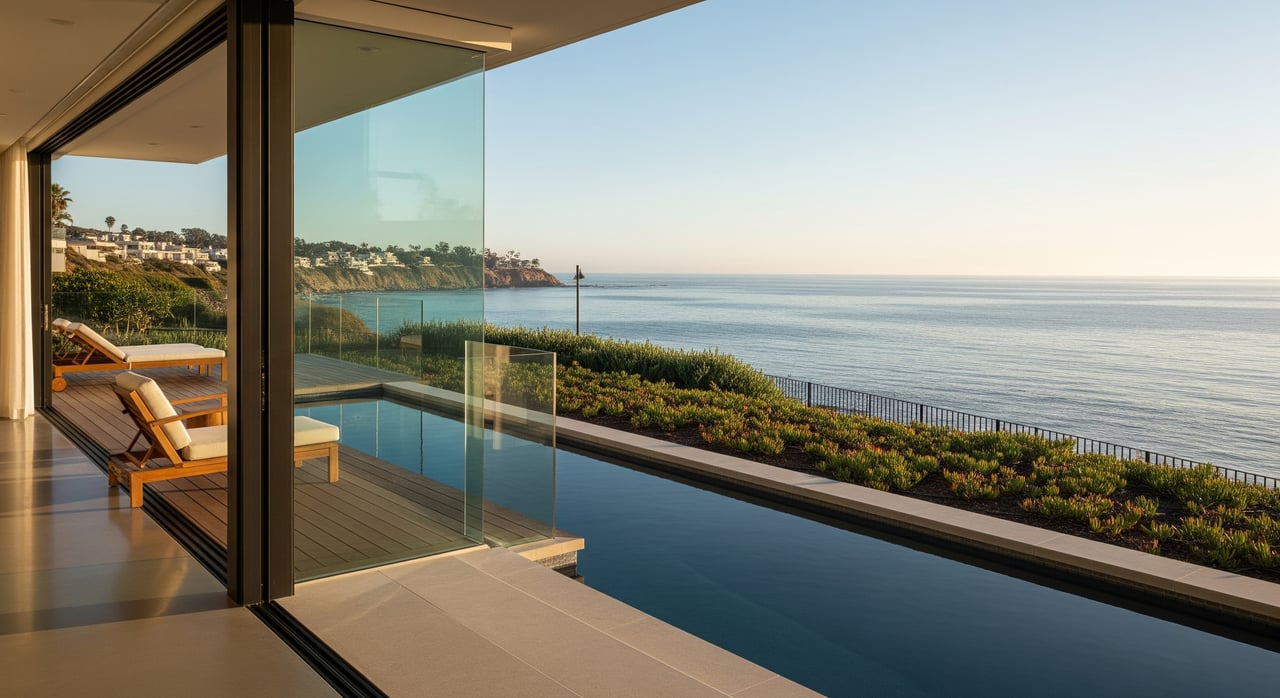
When comparing homes, you should consider the width of the water view, the privacy of the sightline, and how much of the daily living space actually captures that outlook. In high-value coastal markets, those details can influence both enjoyment and resale appeal.
Orientation Changes Daily Living
Newport Beach has a mild harbor climate, with average maximum temperatures around 67.5 degrees and average annual rainfall around 10.8 inches at Newport Beach Harbor. A regional technical study also notes daytime westerly and southwesterly onshore winds and nighttime easterly or northeasterly breezes.
For you, this can translate into real differences in sun, glare, breezes, and outdoor comfort depending on the property’s orientation. An east-facing bayfront may live differently from a west-facing one, even if both have impressive waterfront placement.
This is not just about weather data. It is about how a terrace, primary suite, great room, or dockside entertaining area actually feels throughout the day and across seasons.
Balance Activity With Privacy
Lifestyle fit is one of the most important parts of a Newport Beach bayfront purchase. The city describes Lido Marina Village as a waterfront dining and shopping area, Balboa Peninsula as home to the Balboa Pier, Balboa Fun Zone, Pavilion, ferry, and boardwalk, and Mariner’s Mile as a corridor with yacht brokerages, marine supply stores, restaurants, and Balboa Bay Club & Resort.
For some buyers, being close to these destinations adds meaningfully to the appeal of a home. For others, a quieter residential island setting may feel more aligned with how they want to live.
The right bayfront purchase is not only about the house or the dock. It is about how the address supports your preferred pace, level of activity, and use of the harbor.
Buy With a Full Picture
The most successful bayfront purchases in Newport Beach happen when you look at the property from every angle. You are buying a home, but you are also buying into a very specific waterfront environment shaped by harbor geography, boating access, shoreline conditions, flood considerations, and micro-location.
That is why a careful, highly local process matters. When you evaluate the home, the dock, the view, the flood profile, and the surrounding district together, you put yourself in a much stronger position to buy with confidence.
If you are considering a bayfront purchase in Newport Beach, working with a principal-led team that understands the harbor’s nuances can help you narrow opportunities, spot important details early, and move forward with clarity. To schedule a private consultation, connect with Golding Realty Inc..
FAQs
What makes one Newport Beach bayfront location different from another?
- Newport Beach bayfront areas vary by setting, surrounding uses, and harbor access. A home on Balboa Peninsula, a residential island, or near Lido Marina Village or Mariner’s Mile can offer a very different lifestyle and value profile.
What should buyers ask about a Newport Beach bayfront dock or slip?
- You should ask about on-site docking rights, vessel size compatibility, water depth, tide-related limitations, proximity to the main channel, and whether current conditions match how you plan to use your boat.
Do Newport Beach bayfront homes have special permit concerns?
- Yes. The city requires a buyer-seller application and inspection process for pier permit transfers, and future dock or pier work is subject to local harbor design and municipal code requirements.
How important is flood insurance for a Newport Beach bayfront home?
- It can be very important. Newport Beach states that lenders use FEMA flood maps to determine whether flood insurance is necessary, and an elevation certificate may be needed to assess the home relative to Base Flood Elevation.
Why do seawalls and bulkheads matter when buying in Newport Beach?
- They matter because the city identifies flooding and sea level rise as real concerns around Newport Harbor, especially in low-lying areas. The condition and presence of shoreline protection can affect risk, maintenance, and future planning.
Does property orientation matter for a Newport Beach bayfront home?
- Yes. Based on Newport Beach’s mild climate and local wind patterns, orientation can affect sunlight, glare, breeze exposure, and how comfortable outdoor living spaces feel during the day and evening.