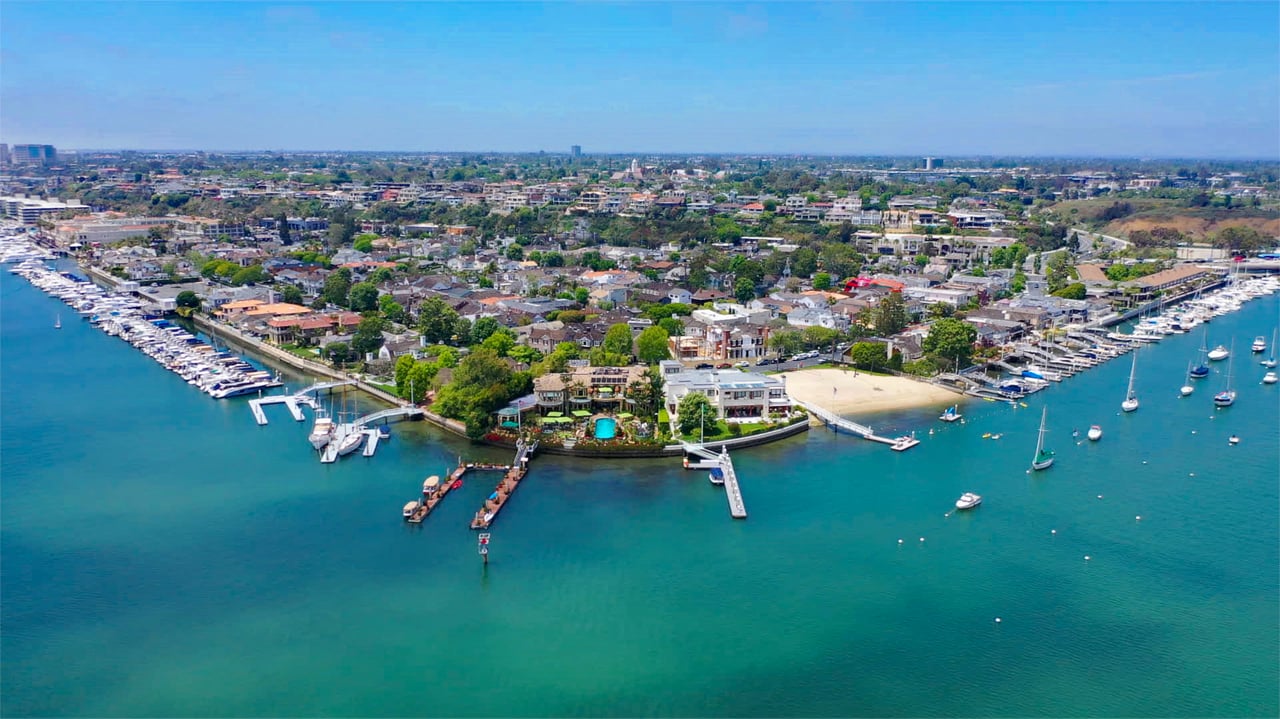
Is your ocean or harbor view part of why you love Corona del Mar? Protecting that view can be just as important as finding the right home. Many coastal properties rely on recorded view easements to keep sightlines open. In this guide, you will learn what a view easement is, where to find it in Orange County records, and how it can affect remodeling, landscaping, value, and resale. Let’s dive in.
View easement basics
A view easement is a property interest that limits what one owner can do in order to preserve another owner’s scenic view. It is typically a negative easement, which means it restricts actions rather than granting a right to use the land.
- Appurtenant easement: benefits a particular parcel and runs with the land to future owners.
- Easement in gross: benefits a person or entity, less common for residential views.
Most residential view easements are created by a written instrument that is recorded, such as a deed, easement agreement, or CC&Rs. In California, negative easements like this are usually not created by prescription.
How view easements are created
You will usually see view protections created in one of the following ways:
- Grant or reservation in a recorded deed.
- A recorded easement agreement between neighbors.
- CC&Rs for a subdivision or HOA, including condominium plans.
- Reciprocal Easement Agreements (REAs) in planned developments.
The recorded document should spell out key terms, such as the legal description of the parcels, the protected corridor or height limits, permitted exceptions, maintenance responsibilities, duration, and enforcement remedies like injunctions or damages.
Where to find records in Orange County
Corona del Mar is part of the City of Newport Beach, so your due diligence involves both county and city records. Expect to review:
- Orange County Recorder records for recorded deeds, easements, CC&Rs, and REAs.
- A preliminary title report during escrow, which lists recorded encumbrances.
- Orange County Assessor parcel maps and the legal description.
- HOA documents, including CC&Rs, architectural guidelines, and minutes.
- City of Newport Beach Planning and Building records for permits, approved plans, and zoning or height limits.
- Coastal development permits if the property is in the Coastal Zone.
If you plan construction, also check neighboring parcels’ approved plans to understand any permitted massing that could affect your views.
Remodels, additions, and trees
A recorded view easement is an added layer of rules that you must follow, separate from city approvals.
- Exterior changes: Height, massing, and location can be limited by the recorded language. Confirm a proposed footprint or roofline against any view corridor or height cap.
- Permits and approvals: Obtain required municipal permits and, if applicable, HOA or architectural approvals. A city permit does not override private easement restrictions.
- Landscaping: Many view easements restrict plantings or require trimming to keep a corridor open. Rights to trim a neighbor’s tree depend on exact easement language and applicable law.
If a neighbor’s new construction or unpermitted structure will intrude on a recorded corridor, the easement beneficiary can object and may seek an injunction or removal in court.
How view easements affect value
In coastal Orange County, protected views often command a premium. A well-drafted, recorded view easement can reduce the risk of losing a view, which may improve marketability to buyers who prioritize ocean or harbor sightlines.
There are trade-offs:
- For the benefiting parcel, a clear easement can support value by stabilizing view expectations.
- For the burdened parcel, restrictions on height, expansion, or landscaping can limit use and may reduce appeal for some buyers.
Appraisers and lenders look at the type of easement, its duration, the clarity of its language, and any enforcement history. The actual price impact depends on local comparable sales, current market conditions, and the quality of the view.
Due diligence checklist
Before you write an offer, start design work, or pull permits, gather the following:
- Preliminary title report and all referenced recorded documents.
- Recorded deed, any reservations or exceptions, and the view easement itself.
- Parcel map and a current survey that plots the easement and improvements.
- HOA CC&Rs, architectural rules, and recent HOA minutes if applicable.
- City of Newport Beach permit history and approved plans.
- Coastal development permit records, if in the Coastal Zone.
- Neighboring parcels’ relevant plans or approvals that could affect your view.
Also line up your advisory team:
- Title officer for clarifying recorded encumbrances.
- Licensed surveyor to map corridors and test proposed changes.
- Real estate attorney experienced in California easements for interpretation or enforcement risk.
- City planning and building staff for zoning and height questions.
- HOA manager or counsel for association rules.
- Local appraiser who understands Corona del Mar view premiums.
Disputes and enforcement
Common resolution paths include neighbor negotiation, HOA mediation, or court action. Courts rely on the recorded language, so precise, survey-based exhibits are easier to enforce than vague narratives.
Evidence often includes the recorded easement, surveys or ALTA maps, approved plans, photos, permit history, title reports, and any prior enforcement.
If your desired project conflicts with a recorded easement, you can explore a written modification or release, typically with the beneficiary’s consent and a recorded document. Keep all permits and approvals on file.
Next steps for buyers and owners
- Buying with a view: Confirm whether a recorded easement protects the sightline. Budget time for survey and legal review, and analyze comps that reflect similar protections.
- Owning with a view: Keep up with maintenance obligations, track HOA approvals, and monitor nearby permit filings. If issues arise, document early and consult your advisory team.
- Planning a remodel: Test your plans against the easement, zoning, and HOA rules before design decisions harden. Address conflicts through revision or a negotiated modification.
If you want a measured, local perspective on how a view easement may affect your purchase, remodel, or sale in Corona del Mar, we are here to help. Schedule a Private Consultation with Golding Realty Inc..
FAQs
How do I check if my Corona del Mar property has a view easement?
- Start with the preliminary title report, recorded deed, and Orange County Recorder records, then review HOA CC&Rs and any REAs, and consider a survey to confirm locations.
Can my neighbor block my ocean view by building a second story?
- Only if no recorded view easement or CC&R restricts it and the project meets city zoning and height limits; a valid recorded easement can support objection or injunction.
Can I trim a neighbor’s tree to restore my view in Newport Beach?
- Only if the recorded easement or applicable rules give that right, or you obtain consent or a court order; unauthorized trimming can create legal risk.
Can a view easement be removed or modified in Orange County?
- Yes, typically by a written, recorded release or modification with beneficiary consent, or in limited cases by abandonment or merger when parcels come under one owner.
Will a view easement complicate my sale or financing?
- Lenders and appraisers review all encumbrances; clear view protections can be positive for a benefiting parcel, while restrictions on a burdened parcel can limit flexibility.
Do city permits override a private view easement in Corona del Mar?
- No, municipal approvals do not cancel private restrictions; you must comply with both the recorded easement and city zoning and building rules.