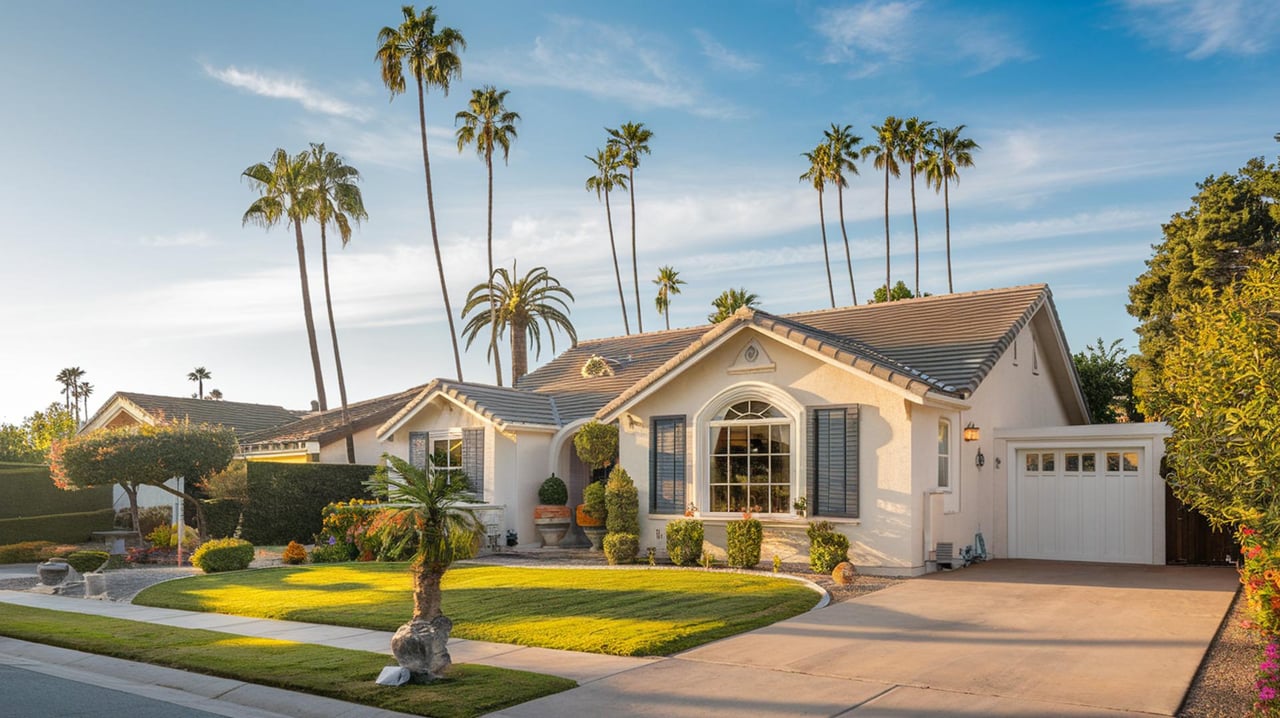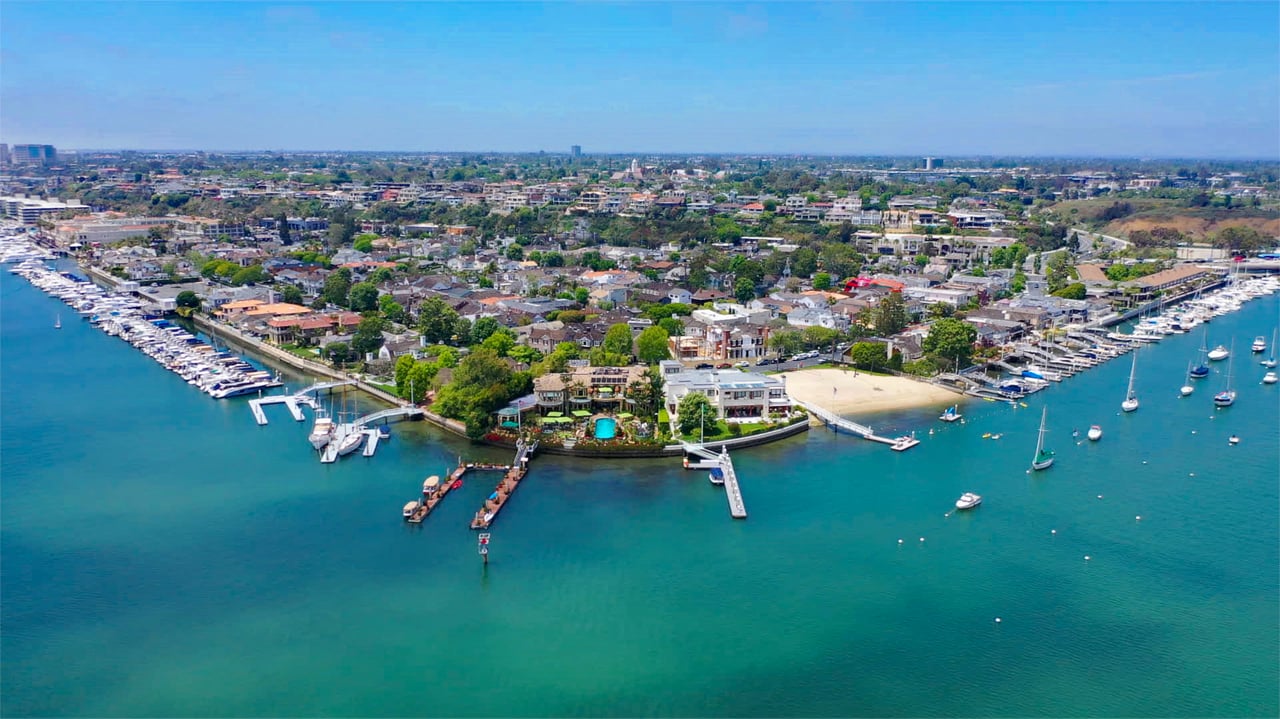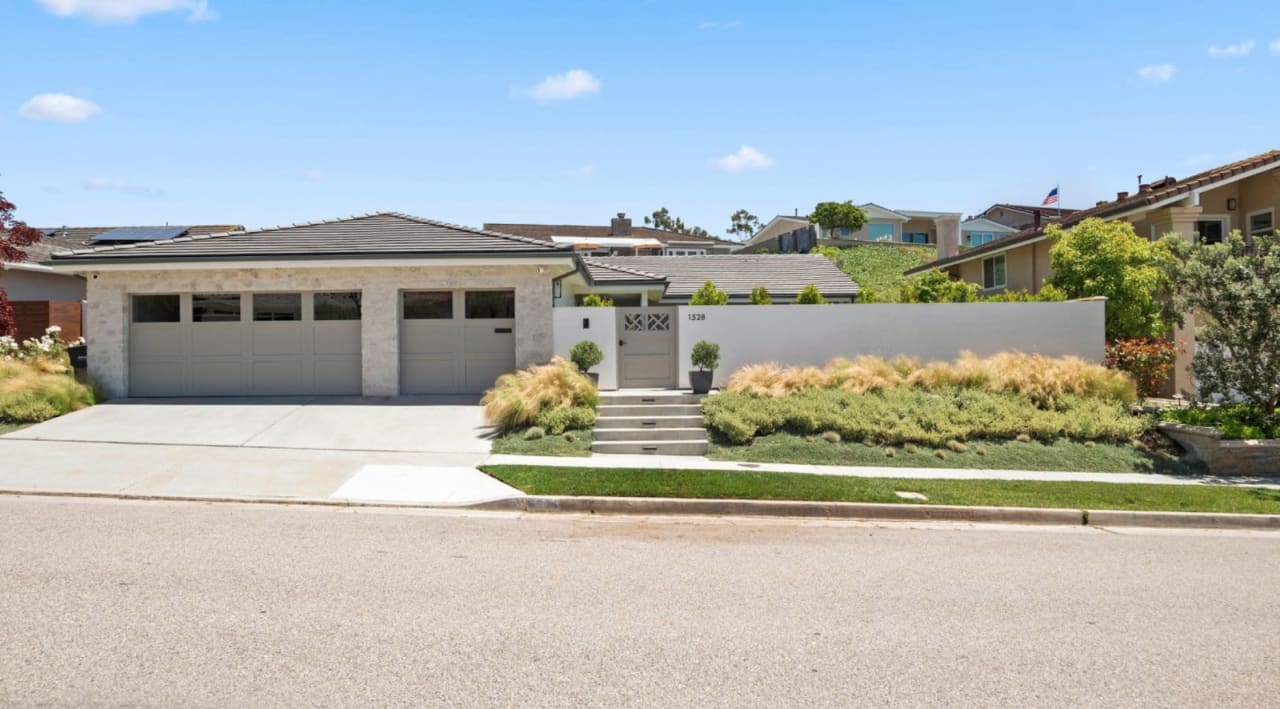
A buyer touring a two-bedroom cottage on one of the Flower Streets asks the obvious question: how much bigger can this get? The listing calls it "prime for expansion." The lot has room. The neighborhood clearly rewards a bigger footprint. So the buyer's contractor pulls the permit history before writing an offer, and the number that comes back has nothing to do with the property's size, the lot's zoning, or the neighborhood's median price. It comes down to whether the garage counts as legal parking.
That single fact, not square footage, not floor area ratio, is what decides whether a Corona del Mar cottage can be expanded by a meaningful amount or barely touched at all.
Why Parking, Not Square Footage, Sets the Ceiling
Most of the older cottage stock in Corona del Mar predates the parking standards the city applies today. A house built decades ago with a single-car garage, or none at all, simply doesn't meet current code for off-street parking. That mismatch has a direct consequence written into the Newport Beach Municipal Code: when a home doesn't provide all the code-required parking, any addition is capped at 10 percent of the home's existing floor area.
Ten percent on a modest 1,400 square foot cottage is roughly 140 square feet. That's not enough for a real bedroom addition, let alone a second story. It's the kind of number that explains, quietly and without any headline, why so many CdM cottages get demolished and rebuilt from scratch rather than expanded. The math simply doesn't work for a family that wants two more rooms.
There's a second constraint stacked on top of the parking issue. Under city code, once the cost of a remodel exceeds 50 percent of the home's market value, the entire structure has to be brought up to current building code as if it were new construction. For a modest cottage, that threshold gets crossed fast, and it turns what started as a kitchen and bath renovation into a full-code overhaul. Between the 10 percent addition cap and the 50 percent valuation trigger, many owners look at the numbers and decide a teardown is simpler than a remodel.
The Workaround the City Built, and What It Actually Costs You
In January 2022, the Newport Beach City Council adopted a voluntary alternative aimed squarely at this problem: the Cottage Preservation Program. It applies to the traditional smaller homes in old Corona del Mar, Balboa Island, and the Balboa Peninsula, and it trades a bigger addition for a set of conditions that are worth understanding before you assume they apply to any given house.
Here is the trade in practice.
| Standard remodel path | Cottage Preservation path | |
|---|---|---|
| Addition cap without added parking | 10% of existing floor area | 50% of existing floor area, or 750 sq ft |
| 50%-valuation "build to new code" trigger | Applies once remodel cost crosses the threshold | Relief from this requirement |
| Building form | No fixed envelope | Locked to a defined envelope: one story and 16 ft max on the front half of the lot, two stories and 24 ft max on the rear half |
| Short-term rentals | Governed by the city's general short-term lodging rules | Not permitted |
| Future redevelopment | Unrestricted, subject to standard code at time of permit | Allowed later, but only under the parking and development standards in effect at that future date, and only after the deed restriction is addressed |
The mechanism that makes this legal is a recorded deed restriction. To use the incentive, the owner agrees to keep the home within that traditional building envelope, and the city records that agreement against the property. It isn't a permanent commitment to keep the cottage exactly as built. The city is explicit that a future owner can still redevelop the lot, but only by meeting the parking and development standards that apply at that later date, which for most of these lots means solving the same parking problem the program let them skip.
In other words, the extra square footage today comes with a document sitting in the chain of title that a future buyer's title company will find, and that a future owner may need to unwind before pursuing a different kind of project.
Why the Program Exists, and Why It Was Never Meant to Solve Everything
The Planning Commission moved this proposal forward on a 5-1 vote in November 2019, after commissioners spent time driving through the neighborhoods it would affect. One commissioner talked about the sheer range of housing stock involved, noting simply that there are so many different cottages, each with its own character. The dissenting vote came from a commissioner who understood the intent but questioned whether a targeted incentive could really hold back the broader wave of teardown-and-rebuild activity already reshaping these streets.
That tension is worth sitting with as a buyer or seller. The program is a real tool, and it solves a specific problem for a specific kind of owner: someone who wants to add a bedroom or bathroom without demolishing a home they'd otherwise want to keep. It was never designed to preserve a cottage forever, and the city says as much directly. It also doesn't touch garages used as informal storage or laundry space, a pattern common enough in these older homes that it was raised repeatedly when the program was first debated, with residents parking on the street because the garage had long since stopped functioning as one.
What to Check Before You Write an Offer or List a Cottage
If you're evaluating a cottage in old Corona del Mar with renovation in mind, the parking question needs to be answered before the addition question does. A few things worth confirming early, ideally before you're deep into an inspection contingency:
- Whether the property already carries a recorded Cottage Preservation deed restriction, which will show up in a title search and defines exactly what building envelope the house is locked into
- Whether the garage or carport meets current code for size and access, since that single fact determines whether you're working with a 10 percent cap or need to opt into the program for more room
- What the existing floor area actually is, since both the 10 percent and 50 percent thresholds are calculated against that number, not against the lot size or the neighborhood average
- Whether a short-term rental use matters to your plans, since enrolling in the program forecloses that option for as long as the deed restriction stands
For sellers, the practical lesson is in the marketing language. "Addition potential" and "room to expand" are only accurate claims once someone has actually checked the parking situation. A cottage that qualifies for the standard 10 percent path and one that would need to enroll in the Cottage Preservation Program to get a meaningful addition are two very different pitches to two different kinds of buyers, and conflating them tends to surface as a renegotiation point once a buyer's own contractor does the same permit pull described above.
A Few Questions Worth Asking Directly
Does this apply outside Corona del Mar? Yes. The program covers the traditional cottage stock in old Corona del Mar, Balboa Island, and the Balboa Peninsula alike, since all three areas share the same older, parking-deficient building pattern the city was trying to address.
Can a future owner just remove the deed restriction and rebuild bigger? The city allows redevelopment later, but only under the development and parking standards that apply at that future date. For most of these small lots, that means solving the parking shortfall the original owner was allowed to skip, which is its own cost and design constraint.
Corona del Mar's cottage stock is part of what gives these streets their character, and that same character is exactly what makes the addition math more complicated than a listing sheet suggests. Knowing which path a specific property sits on, before an offer is written or a listing goes live, is the difference between a renovation plan that works and one that quietly stalls in permit review.
If you're weighing a cottage purchase or preparing to list one in Corona del Mar and want a clear read on what a specific property can actually support, Golding Realty works through these questions with clients directly, alongside the design and permitting context that shapes what a home is worth. Schedule a Private Consultation to talk through your property before you write the offer or the listing copy.