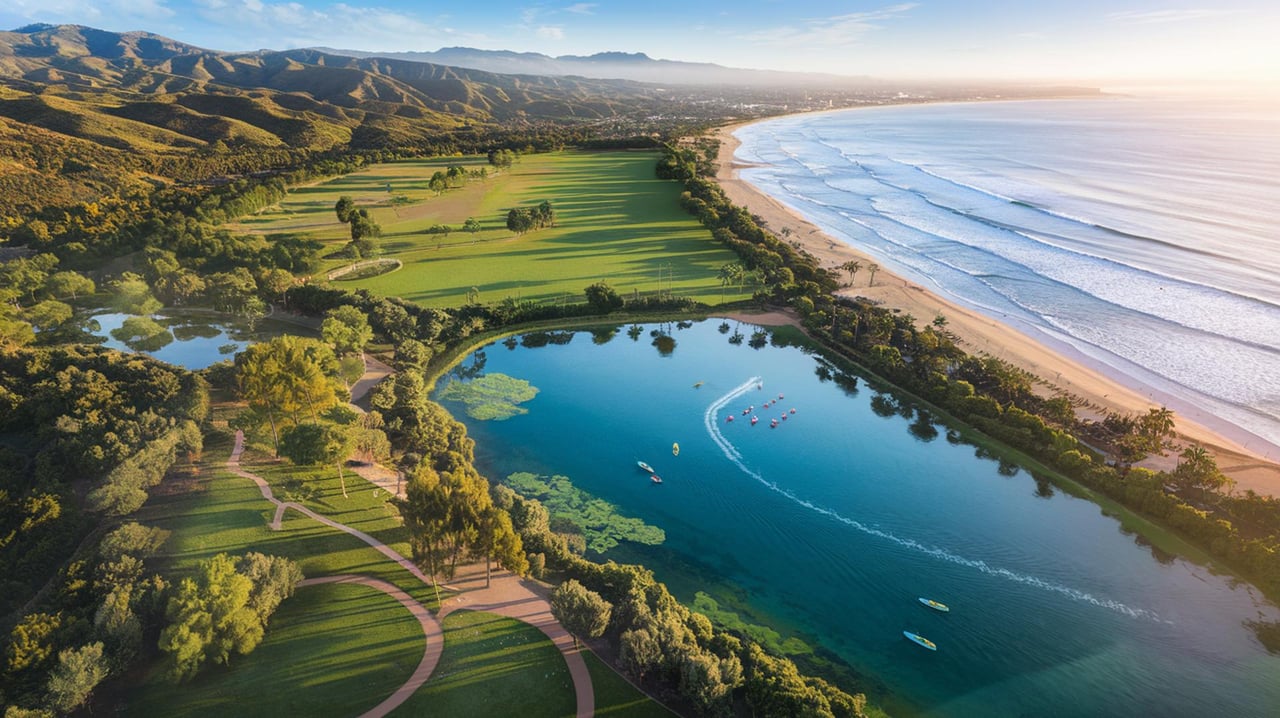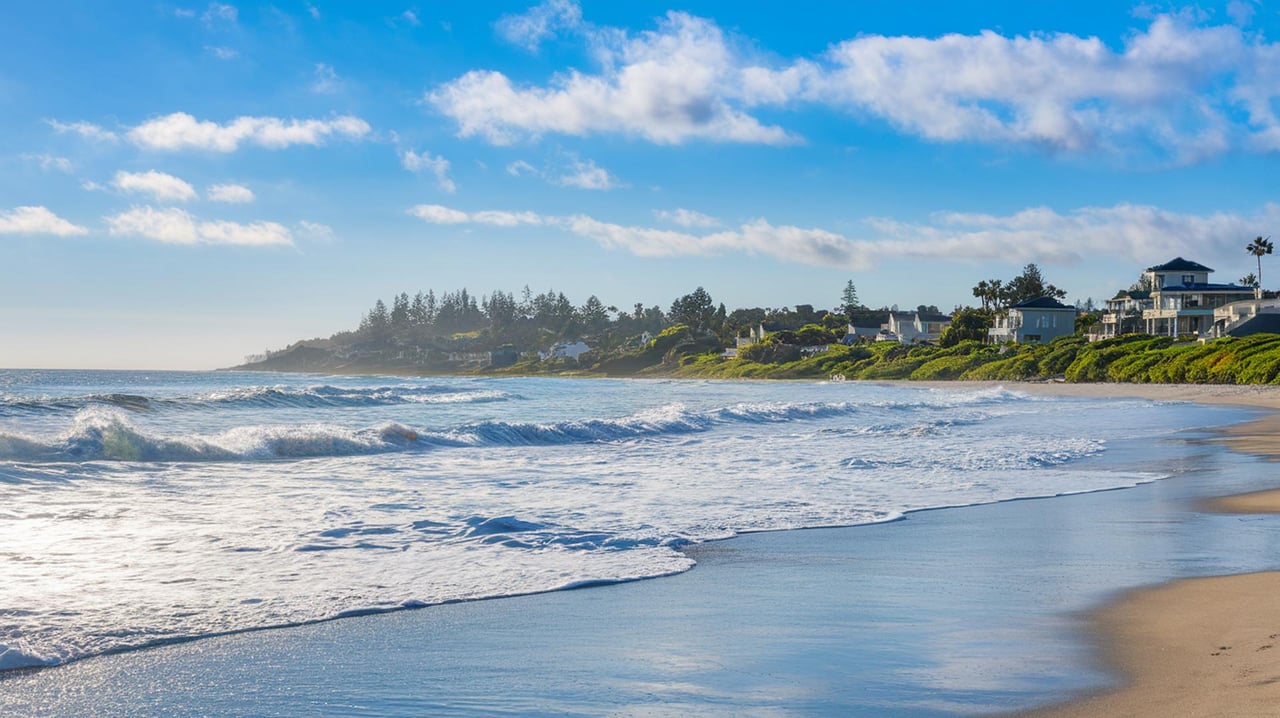
Paddle out from North Star Beach on a weekday morning in late September and the water tells you something the calendar doesn't. Two months ago this same launch point was a scrum of double kayaks, sunscreen, and naturalist groups waiting their turn. Now the channel is nearly empty by 8 a.m., the tide is doing most of the work, and the only sound competing with your paddle is the occasional wingbeat of something large lifting off the mudflats. Nothing about the Back Bay closed for the season. It just swapped its audience.
That swap is the thing worth understanding if you treat the Upper Newport Bay Ecological Reserve as a weekly habit rather than a summer errand. Most guides to the Back Bay describe it as one place with one list of things to do: kayak, bike the loop, visit the interpretive center, maybe catch a concert. What they miss is that the reserve is actually running two separate calendars at once, and late September is the exact point where they cross.
Two Calendars, One Reserve
The first calendar is the human one. It peaked hard this summer. The Hyatt Regency's Back Bay Amphitheater ran its outdoor concert series from June through October, drawing acts like Dave Koz & Friends, Brian Culbertson, and Chris Isaak to a venue that looks straight out over the water. Newport Dunes spent Labor Day weekend running food trucks, live music, and an inflatable water park along the shoreline. The Pacific Wine & Food Classic, the marquee culinary event of the summer, set up right on the Dunes waterfront on September 12 and pulled in chefs and wineries from across the region. If you wanted a crowd, the Back Bay gave you one.
That calendar is winding down now. The concert series closes out in October. The wine festival already happened. What's left on the human side this month is smaller and more local: an Oktoberfest bar crawl through the city's bars on September 26, live acoustic sets at Lido Marina Village on weekends, nothing that pulls thousands of people to the water's edge.
The second calendar belongs to the reserve itself, and it runs almost in reverse. The Newport Bay Conservancy, which operates naturalist-guided kayak tours in partnership with the Newport Aquatic Center every Saturday and Sunday morning year round, is candid about this with the people who take the tours regularly: the guides themselves report that participants often think the winter tours are the better ones, not a lesser consolation prize once the warm months end. Summer belongs to nesting birds. Winter belongs to the birds arriving from somewhere else entirely, and there are a lot more of them.
The Hinge Point Is This Week
Here's the detail that makes late September specific rather than generic. The reserve's nesting season runs from March through September, and staff ask paddlers to use extra caution during that window because it's when the more sensitive bird activity is concentrated on the mudflats. That window is closing right now. The black skimmers and terns that spend the warmer months nesting in the reserve are finishing that cycle, and the shorebirds, ducks, and grebes that migrate down from Alaska and Canada each winter are about to become the dominant presence on the water.
This isn't a minor seasonal footnote. The Upper Newport Bay sits on the Pacific Flyway, one of the major migratory bird corridors on the continent, and the reserve's roughly 1,000 acres of protected salt marsh is a genuine stopover point rather than scenery. Nearly 200 bird species pass through or winter here, and the population most people associate with the Back Bay's quieter months, egrets working the shallows, along with more specialized residents like Ridgway's rails and Belding's savannah sparrows, becomes easier to spot once summer's nesting traffic clears out. If you've only paddled the Back Bay in July, you've seen one version of it. The version that starts filling in this week is different enough that regulars treat it as a separate destination.
Where the Water Actually Goes Quiet
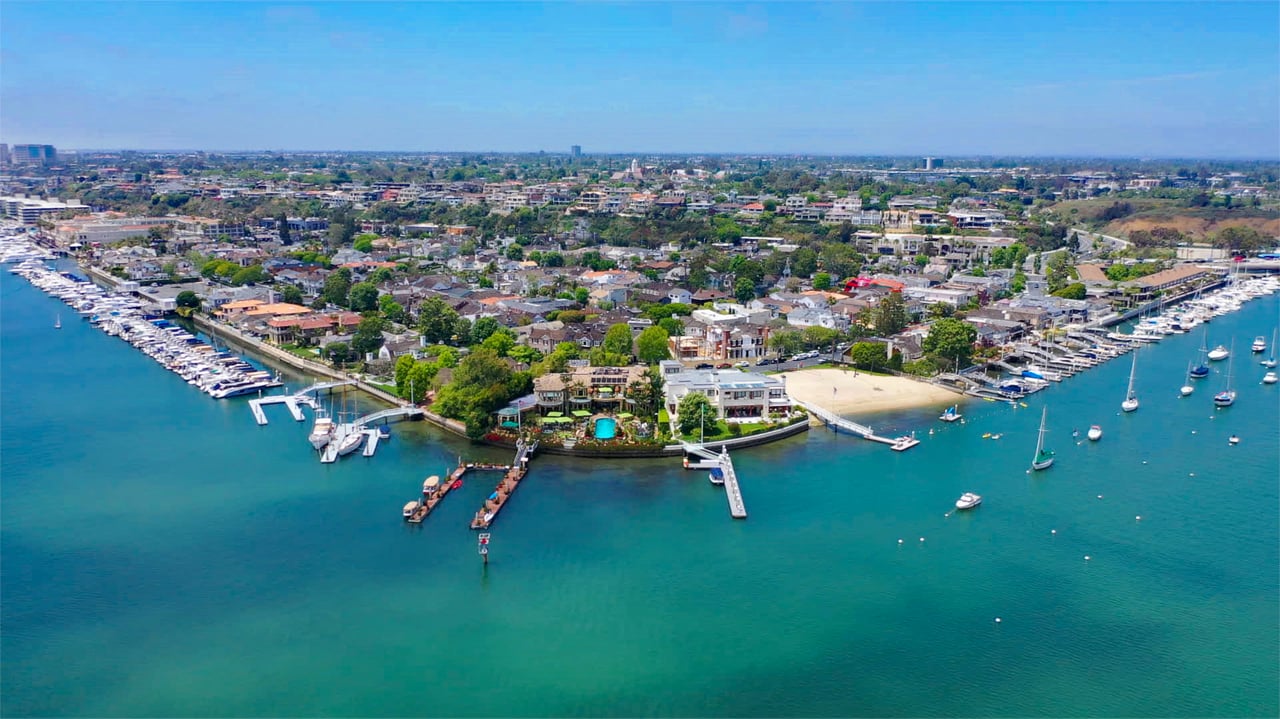
There's a second contrast worth knowing if you're coming from the harbor side rather than driving straight to a Back Bay launch point. Lower Newport Harbor, the stretch most people picture when they think of Newport Beach on the water, stays busy with Duffy electric boats well into the fall, and paddlers who've made the trip warn that dodging Duffy traffic is part of the deal down there.
Cross into the Upper Bay and that changes almost immediately. No powered watercraft are allowed into the Ecological Reserve without a permit from the California Department of Fish and Wildlife, which means the moment you paddle past the harbor mouth, the motorized traffic falls away and the water goes genuinely quiet. That boundary is the real dividing line locals use, more than any sign or map marker: south of it, you're sharing water with boats; north of it, you're sharing water with birds.
How Locals Actually Launch
The Newport Bay Conservancy's own guidance points paddlers toward two free options rather than the paid resort route: North Star Beach and Lower Castaways Park, both with free parking and no launch fee. Regulars specifically steer clear of the marked launch point on Lido Isle, which turns out to be private property despite showing up on some trail maps, and instead recommend Lower Castaways on Dover just north of Pacific Coast Highway, a public lot used mainly by paddlers and rowers.
If you'd rather rent than haul your own kayak, the Newport Aquatic Center sits right at the entrance to the reserve and rents kayaks, canoes, and paddleboards throughout the week, with the Conservancy's two-hour naturalist tours running Saturday and Sunday mornings for $25 a person, ages eight and up. Newport Dunes offers a third option with paid parking and rental kayaks, useful if you're combining the paddle with a beach day rather than a quiet loop. One more detail worth knowing before you commit to a launch point: putting in along Back Bay Drive itself is free, but it only works at a fairly high tide, so it's the least reliable of the group unless you've checked the tide chart first.
Building It Into a Weekly Habit
The paddlers who treat the Back Bay as a fixture rather than a novelty tend to build the same rough sequence into their week. An early paddle before the wind picks up, out from North Star Beach or Lower Castaways, timed against the tide rather than the clock. A walk or ride along a stretch of the 10.5-mile Back Bay Loop afterward, which is mostly paved and runs past Vista Point and the Peter & Mary Muth Interpretive Center, a county-run facility with free exhibits on the estuary that's open Tuesday through Sunday. Lunch somewhere with a harbor view to close it out, the kind of stop that turns a morning on the water into a full loop rather than an errand.
None of this requires a guide or a reservation most days. It requires knowing which launch point matches your tolerance for tide dependency, which weeks favor birds over crowds, and where the reserve's boundary actually sits relative to the harbor traffic you're trying to avoid. That's the kind of knowledge that doesn't show up on a first visit. It shows up after enough Tuesdays on the water to notice the pattern.
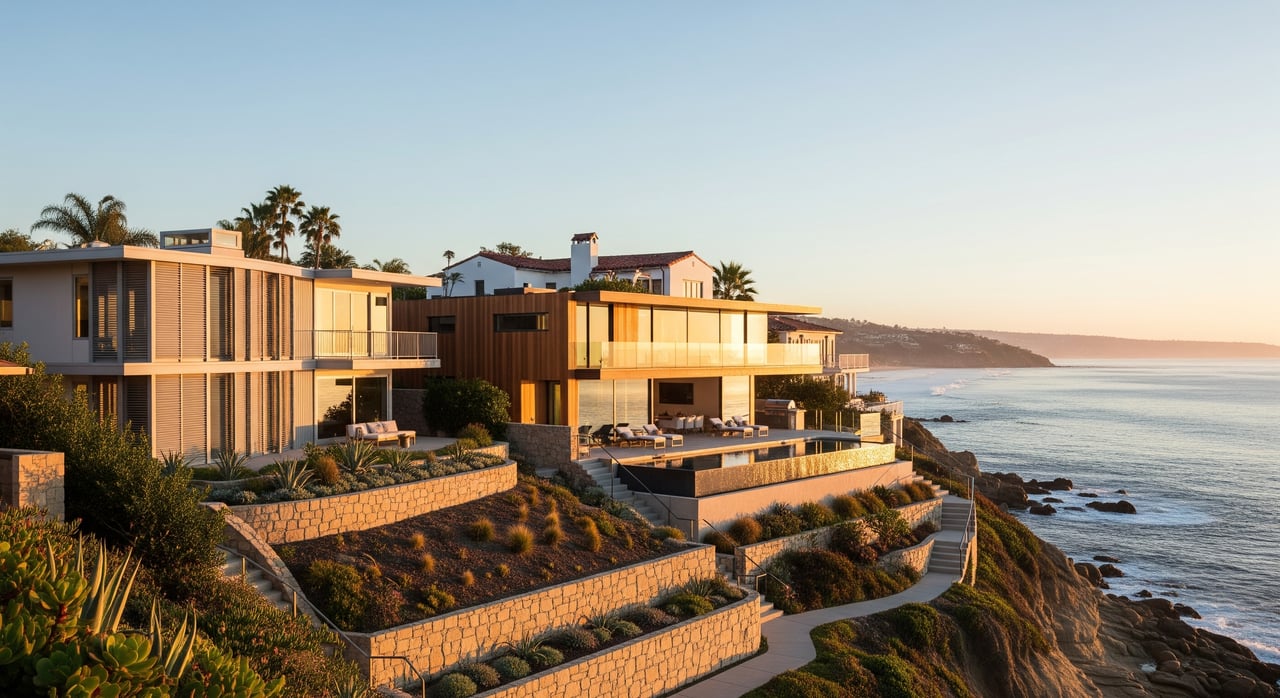
If you already treat the Back Bay this way, you already know what changes this week. If you're weighing a move to a stretch of Newport Beach close enough to make that Tuesday morning paddle a real option rather than a special occasion, the team at Golding Realty spends as much time thinking about proximity to places like this as we do about square footage. Reach out to schedule a private consultation when you're ready to talk through what that proximity is actually worth.
This article is general information, not legal, tax or financial advice. Consult a qualified professional about your situation.