If you have ever wondered why Costa Mesa feels more style-conscious than a typical shopping city, the answer is bigger than retail. Costa Mesa built a design identity over decades by pairing arts, commerce, and everyday lifestyle in a way few Orange County cities have. For homeowners, buyers, and anyone drawn to thoughtful living, that helps explain why the city continues to stand out. Let’s dive in.
Costa Mesa’s design story starts with arts
Costa Mesa’s design reputation did not appear overnight. The city’s history reflects a shift from agricultural roots to a modern commercial center, and it officially changed its name from Harper to Costa Mesa in 1920 before incorporating in 1953. In 1984, it adopted the motto “City of the Arts,” which still shapes how people understand the city today.
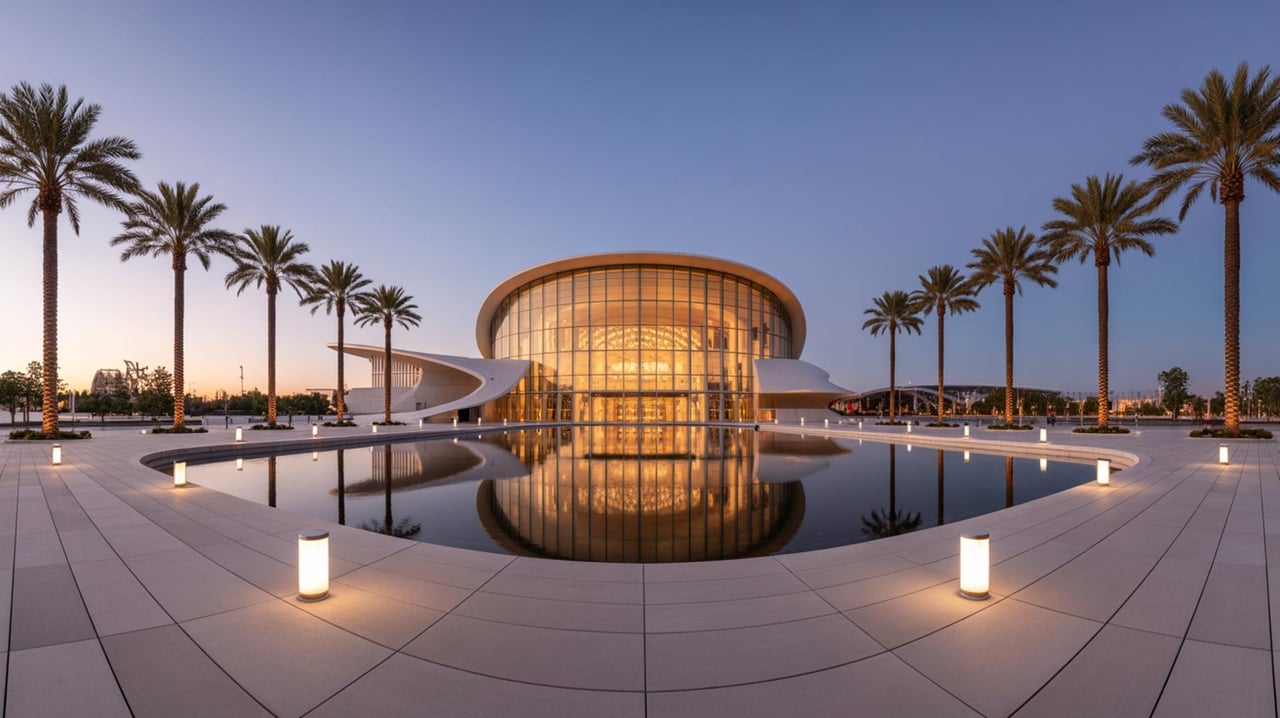
That label matters because it points to a broader civic identity, not just a marketing phrase. Costa Mesa’s Arts & Culture program and master plan support the city’s creative economy, and the local theater district includes Segerstrom Center for the Arts, South Coast Repertory, and the Orange County Museum of Art. In other words, design in Costa Mesa sits inside a larger cultural ecosystem.
South Coast Plaza changed the region
If one place put Costa Mesa on the map as a design destination, it was South Coast Plaza. The center opened on March 15, 1967, with 70 stores and has since grown to more than 230 boutiques and 30 restaurants across 2.8 million square feet of retail and dining space. That scale gave Costa Mesa a powerful draw well beyond city limits.
But South Coast Plaza did more than create a shopping district. Its growth helped establish a district where retail, dining, public art, and cultural institutions could reinforce one another. Today, the plaza describes itself as the center of a vibrant business, arts, and residential district, which helps explain why the surrounding area feels more layered than a standard retail hub.
The arts connection gave it depth
South Coast Plaza’s influence is closely tied to the arts campus next door. According to the plaza’s materials, the Segerstrom family helped shape Orange County’s cultural identity beginning in 1967 and donated more than 14 acres of land and more than $70 million in cash for the adjacent arts campus. That campus includes Segerstrom Center for the Arts, South Coast Repertory, and the UC Irvine Langson Orange County Museum of Art.
This relationship matters because it gave Costa Mesa a design identity with real cultural depth. Public art in the district, including works by Richard Serra, Henry Moore, and Isamu Noguchi, adds another visual layer. The result is a place where architecture, art, and shopping all shape the experience.
Home décor became part of the mix
South Coast Plaza also helped normalize design shopping as part of daily life. Its history highlights home-focused retailers including Crate & Barrel Home Store and the first Macy’s Home Furniture Store in the nation. Current materials also note décor brands such as Baccarat and Frette.
That combination helped expand the city’s identity from fashion-forward to design-forward. You do not have to be furnishing an entire home to notice the effect. When décor, furnishings, dining, and art live side by side, style becomes part of the local culture.
SOCO made design more accessible
If South Coast Plaza created the regional template, SOCO & The OC Mix made interior design more public-facing. SOCO describes itself as the only interior design center in Southern California that combines home furnishings, fine antiques, outdoor living, fixtures, appliances, finishes, and artisan accessory showrooms for both the public and the trade. It also includes more than 20 showrooms across roughly 300,000 square feet of showrooms, restaurants, boutiques, and creative spaces.
That is a key reason Costa Mesa became known as a design hub instead of simply a luxury retail destination. SOCO brought home design into an environment where everyday shoppers could explore materials, furnishings, and style ideas in one place. It made the design process feel approachable.
Showrooms shaped a home-focused identity
Several well-known tenants reinforced SOCO’s position. Design Within Reach says its SOCO studio is the company’s largest U.S. store and focuses on mid-century modern furnishings with personalized design services. Room & Board presents its Costa Mesa location as a furniture destination with free design help across living, dining, bedroom, and outdoor spaces.
This matters because it shifted Costa Mesa’s image beyond browsing and into planning. Instead of just shopping for objects, visitors could compare layouts, finishes, and furnishing styles in a more hands-on way. That practical design access helped turn Costa Mesa into a place people associate with how a home looks and feels.
Dining and events made design part of lifestyle
SOCO also works because it is not only about furniture. Its official materials highlight chef-driven dining, the SOCO Farmers’ Market, design lectures, cooking demonstrations, and regular events. That mix makes the center feel social and lived-in rather than purely transactional.
For residents and visitors, this changes the experience. A trip for home inspiration can also include lunch, a market stop, or an event. That overlap between design and daily living is one of the strongest reasons Costa Mesa’s style identity has staying power.
17th Street brought design to the neighborhood level
Every design hub needs a local layer, and in Costa Mesa, 17th Street fills that role. Travel Costa Mesa describes the East 17th Street Promenade Shops as a locals’ choice retail destination and a community-oriented Main Street. The mix includes gifts, books, food, and housewares, which gives the corridor a more everyday rhythm.
This part of the story is important because it proves Costa Mesa’s design culture is not limited to major retail centers. On 17th Street, style shows up in a smaller-scale, neighborhood setting. That makes the city’s design identity feel more personal and more connected to daily life.
A residential feel supports the appeal
The corridor also benefits from gathering spaces and casual dining. Paseo 17 is described as a Spanish courtyard-style retail, dining, and gathering plaza, and nearby businesses like Milligram Coffee + Kitchen serve as casual community hubs with outdoor seating and event programming. Together, these elements create an environment where people linger.
Costa Mesa’s Housing Plan adds another useful layer. It notes that the 17th Street corridor has developed into a successful commercial and restaurant hub and identifies it as a candidate for future mixed-use housing. That suggests the area is not just a place to visit, but part of how the city sees everyday living evolving.
Why Costa Mesa became a design hub
The clearest way to understand Costa Mesa is as a three-part design ecosystem. South Coast Plaza established the region’s luxury and arts-linked retail identity. SOCO & The OC Mix built a public-facing interior design center around the home. Then 17th Street translated that energy into a local, neighborhood-scale experience.
Each district plays a different role, but together they create something distinct. You can move from museum and performance spaces to furnishings showrooms to local housewares and dining, often within the same city. That layered experience is what gives Costa Mesa its reputation.
Why this matters if you own or buy a home
For homeowners and buyers, Costa Mesa’s design identity is more than an interesting local story. Access to home furnishings, showrooms, public art, dining, and cultural venues can shape how you experience a place day to day. It can also influence how you gather ideas for furnishing, updating, or presenting a home.
That is especially relevant in design-conscious coastal markets, where presentation often matters. A city with easy access to home inspiration and amenity-rich districts offers more than convenience. It supports a lifestyle built around thoughtful spaces, entertaining, and visual quality.
For sellers, this kind of environment can also strengthen how a home is framed in the market. Buyers often respond to the full lifestyle surrounding a property, not just the square footage or finishes. A city known for arts, design, and everyday style carries a story that resonates.
At Golding Realty, we pay close attention to how design and lifestyle shape real estate decisions. If you are buying, selling, or simply evaluating your options in Southern California’s design-driven markets, Golding Realty Inc. can help you navigate the opportunity with a thoughtful, high-touch approach.
FAQs
Why is Costa Mesa considered a design hub in Orange County?
- Costa Mesa earned that reputation through a layered mix of arts institutions, luxury retail, home design showrooms, and neighborhood shopping districts, especially South Coast Plaza, SOCO & The OC Mix, and 17th Street.
What role did South Coast Plaza play in Costa Mesa’s growth?
- South Coast Plaza helped establish Costa Mesa as a regional destination after opening in 1967, and its connection to arts venues, public art, dining, and home-focused retailers gave the city a lasting design influence.
What makes SOCO important to Costa Mesa’s design identity?
- SOCO stands out because it describes itself as Southern California’s only interior design center serving both the public and the trade, with showrooms focused on furnishings, finishes, appliances, and lifestyle events.
How does 17th Street fit into Costa Mesa’s design scene?
- 17th Street brings the design story down to a neighborhood scale with local shops, housewares, dining, gathering spaces, and a community-oriented Main Street feel.
Why does Costa Mesa’s design culture matter to homeowners?
- It matters because nearby access to home inspiration, furnishing resources, dining, and arts venues can enhance daily living and support how homeowners think about updating, styling, or presenting a property.