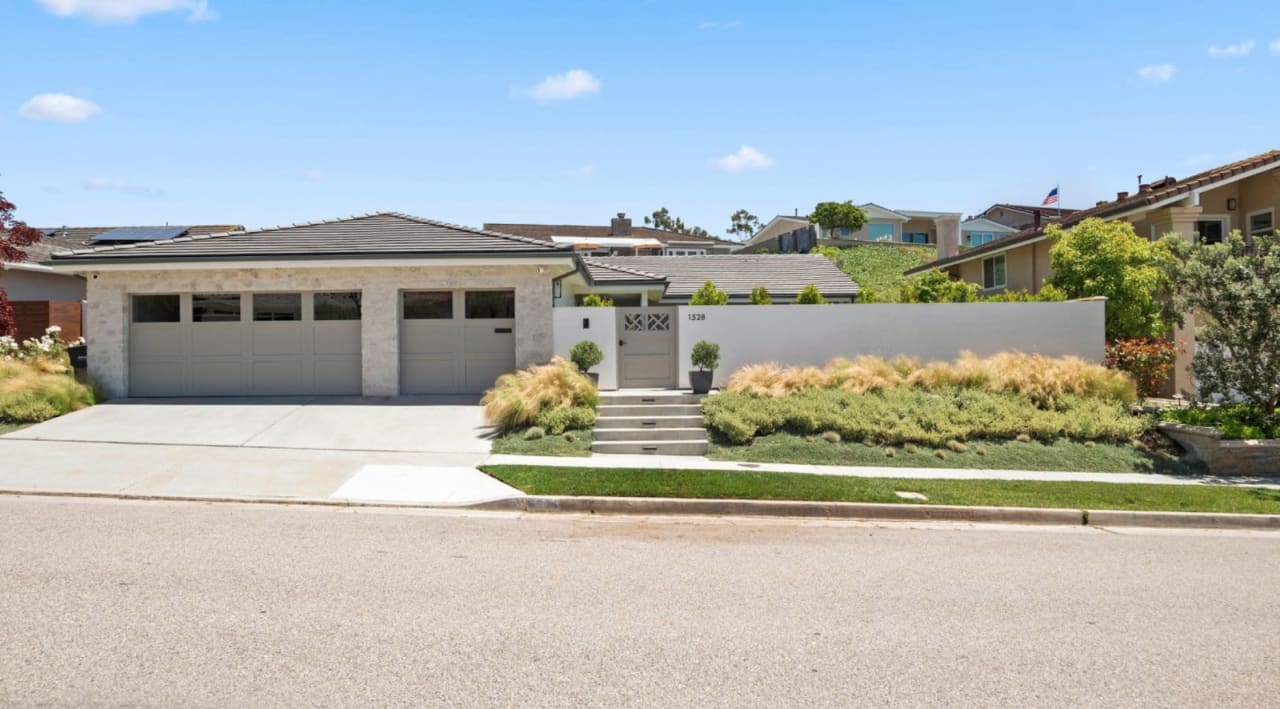
Buying in Newport Coast can feel straightforward on the surface, then suddenly very layered once you start comparing homes, disclosures, HOA documents, and closing timelines. If you are searching in this part of Newport Beach, you are likely balancing lifestyle goals with a fast-moving list of practical decisions. This guide walks you through what to expect from the first search to the final closing steps so you can move forward with more clarity and less guesswork. Let’s dive in.
Why Newport Coast Requires Preparation
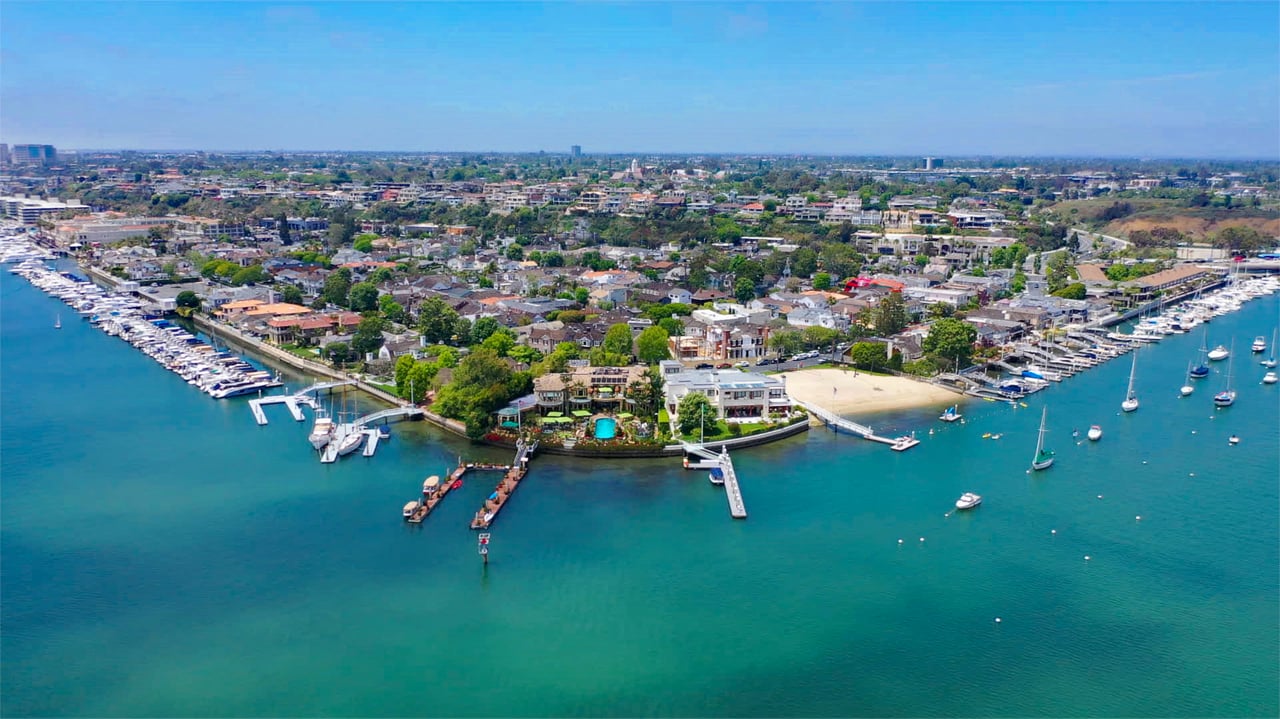
Newport Coast is a neighborhood within the City of Newport Beach, annexed in 2002, and recognized by the city as a newer coastal area near Pelican Hill Golf Course and Crystal Cove State Park. That setting is a big part of the appeal, but it also means your home search often involves more than price alone. In many cases, buyers are also weighing views, upkeep, community rules, and future renovation flexibility.
The market itself is firmly in the luxury category. Recent reporting from Zillow and Realtor.com’s Newport Coast market data shows a high-priced market with limited inventory and varying metrics depending on the source. The broad takeaway is consistent: you should expect meaningful price differences from one property to the next, along with a market where strategy matters.
Start With Financing First
Before you tour seriously, get your financing framework in place. According to the Consumer Financial Protection Bureau’s preapproval guidance, a preapproval letter can help you identify issues early and shop with more confidence, but it is not a final loan commitment.
That matters in Newport Coast because sellers often expect buyers to come prepared. CFPB also notes that preapproval letters usually expire after 30 to 60 days, so timing counts. You will want your budget to reflect not just what a lender may approve, but also the monthly payment level that feels sustainable for you.
Narrow Your Search By Property Type
In Newport Coast, your search is rarely just about finding a home in one broad area. Realtor.com’s local market overview identifies sub-neighborhoods such as Pelican Hill and Newport Ridge, which reflects how buyers are often comparing several micro-markets at once.
As you refine your list, it helps to think through a few questions early:
- Do you want a property with less exterior maintenance?
- Are HOA rules acceptable for how you plan to use the home?
- Do you expect to make design changes or future improvements?
- Is the view, lot position, or privacy level a major priority?
Those answers can shape your search just as much as square footage or bedroom count. In a community with many common-interest developments, the property itself is only part of the decision.
Understand Today’s Market Signals
Newport Coast market data can look different depending on the platform and methodology. For example, Realtor.com’s local report described the area as a buyer’s market in February 2026, while Redfin characterized it somewhat differently using another dataset.
For you as a buyer, the practical message is more important than the label. This remains a high-end market where there may be room for negotiation, but inventory is still limited enough that the right property may not linger forever. Interpreting those signals correctly is one place experienced local guidance can make a real difference.
Move From Search To Offer
Once you identify a property, the next phase is about matching your offer strategy to the home and the documentation involved. This is where the process becomes more detailed, especially in a luxury coastal market.
Build a realistic offer
A strong offer starts with your actual comfort level, not only your top approval amount. The CFPB recommends using preapproval as a planning tool while staying grounded in your own monthly budget.
In Newport Coast, where pricing can vary significantly by location, view, and community structure, that discipline helps. Two homes with similar square footage may carry very different long-term costs based on assessments, insurance considerations, or planned upkeep.
Review disclosures carefully
In California, disclosures are a central part of the transaction. The California Department of Real Estate explains that the seller’s Transfer Disclosure Statement is a disclosure of known conditions, not a warranty, and that buyers may receive multiple disclosures during the purchase process.
That means the disclosure package should never be treated as a formality. In Newport Coast, where homes may involve coastal considerations, HOA obligations, or other property-specific issues, these documents are a key part of your due diligence.
Keep contingencies aligned
Contingencies should fit the property, your financing, and the timeline needed for review. This is especially important if the home is in a common-interest development or if you want to confirm whether future improvements may face permitting limits.
A well-structured offer is not just about price. It is also about giving yourself the right window to inspect, review documents, and make an informed decision before removing contingencies.
Inspect Early And In Person
Once you are under contract, schedule inspections promptly. The CFPB’s home inspection guidance recommends hiring an independent inspector as soon as possible and attending the inspection if you can.
That advice is especially useful in Newport Coast. Luxury coastal homes can involve more complex systems, larger footprints, and location-related wear factors, so seeing the findings firsthand can help you better understand both the condition of the home and the practical implications of repairs.
CFPB also points out that an inspection is different from an appraisal. If your contract includes an inspection contingency, you may be able to negotiate repairs or credits, or cancel without penalty if the results are not satisfactory.
Know What Escrow And Closing Mean
Escrow and closing are closely connected, but they are not the same step. The California Department of Real Estate’s escrow overview explains that escrow typically opens once a fully executed purchase agreement is delivered to the escrow holder.
From there, the escrow officer coordinates title work, instructions, document handling, and the release of funds once all conditions have been met. On the financing side, CFPB explains that the closing of the loan and the closing of the home purchase usually happen at the same time.
One of the most important dates in this phase is when your lender provides the Closing Disclosure. CFPB requires that document at least three business days before closing, giving you time to compare it with your Loan Estimate and address any errors before funds are due.
Shop Closing Services Carefully
In a higher-price transaction, title and related closing costs deserve close attention. The CFPB advises buyers to shop for title insurance and other closing services instead of assuming the lender’s default option is the best fit.
This is one of those steps buyers sometimes overlook because it happens late in the process. Even so, reviewing these costs carefully can help you confirm that the final numbers match expectations and that there are no avoidable surprises before closing.
Review HOA Documents Thoroughly
Many Newport Coast properties are located in common-interest developments. According to the California Department of Real Estate’s guidance on common-interest developments, buyers may be bound by CC&Rs, bylaws, regular assessments, possible special assessments, and community rules covering everyday issues such as parking, landscaping, balconies, and architectural standards.
These documents matter because they shape daily ownership. They can also affect what updates you may be able to make later, how the property is maintained, and what additional costs you may need to budget for.
If you are considering a new subdivision or newly offered common-interest project, the DRE public report is another critical document. It can include association costs, CC&Rs, and other material details that should be reviewed before you become obligated.
Factor In Coastal And Hazard Issues
Newport Coast buyers should pay close attention to location-based risks and regulations. The City of Newport Beach disaster preparedness resources note the need to prepare for earthquakes, wildfires, tsunamis, and floods, and they encourage residents to plan for evacuation, emergency alerts, and flood insurance where appropriate.
That is not just a post-closing issue. It can affect insurance conversations, emergency planning, and how you evaluate a property before removing contingencies.
Permitting is another important point. The city’s Local Coastal Program FAQ states that the Coastal Zone covers about 47% of Newport Beach and that a coastal development permit is required for most development within that zone. If you are thinking about remodeling, adding onto the home, or making notable exterior changes, it is wise to investigate that early.
Plan For Post-Closing Costs And Tax Setup
Closing is not the end of the paperwork. The Orange County Assessor’s guidance for buyers and sellers explains that new owners may receive a Change of Ownership Statement, a homeowner’s exemption application, a notice of supplemental assessment, and a supplemental tax bill after the purchase closes.
Orange County also notes that annual secured property tax bills are mailed in September and paid in two installments. If the home will be your principal residence, the homeowner’s exemption may reduce assessed value by $7,000, which the county says can save at least $70 per year.
This is why your ownership budget should include more than just the mortgage payment. Taxes, assessments, insurance, and ongoing property-related obligations all play a role in the full cost of ownership.
Where Expert Guidance Matters Most
In Newport Coast, the biggest challenge is often not finding information. It is knowing how to interpret it and which details matter most for a specific property.
An experienced advisor can help you evaluate pricing against current listings and recent sales, rather than reacting to one headline number from a portal. They can also help coordinate the moving parts between lender, escrow, title, inspections, and disclosure review so deadlines stay on track.
Just as important, local guidance can help translate the HOA package, natural hazard disclosures, coastal permitting issues, and public reports into practical decisions. That can affect your offer terms, contingency periods, repair discussions, and whether a home truly aligns with your plans.
If you are preparing to buy in Newport Coast and want principal-led guidance through every step, Golding Realty Inc. offers a high-touch, concierge approach built around local market knowledge, careful negotiation, and a smooth path from search to closing.
FAQs
How long does closing take after an accepted offer in Newport Coast?
- Timing can vary, but escrow generally begins after a fully executed purchase agreement is delivered to the escrow holder, and closing happens once financing, title, and all agreed conditions are satisfied.
What documents should Newport Coast buyers review before removing contingencies?
- Buyers should carefully review the seller’s disclosures, natural hazard disclosures where applicable, HOA documents such as CC&Rs and bylaws, and the DRE public report if the property is in a new subdivision or newly offered common-interest project.
Are HOA fees and rules common in Newport Coast homes?
- Yes. Many Newport Coast properties are in common-interest developments, which can include regular assessments, possible special assessments, and rules governing items such as parking, landscaping, balconies, and architectural changes.
What should buyers know about Newport Coast coastal permits?
- The City of Newport Beach states that much of the city falls within the Coastal Zone and that a coastal development permit is required for most development there, so renovation or exterior improvement plans should be checked early.
What costs continue after closing on a Newport Coast home?
- Beyond your mortgage payment, you may need to plan for property taxes, supplemental tax bills, HOA assessments, insurance, and other ownership-related expenses after closing.