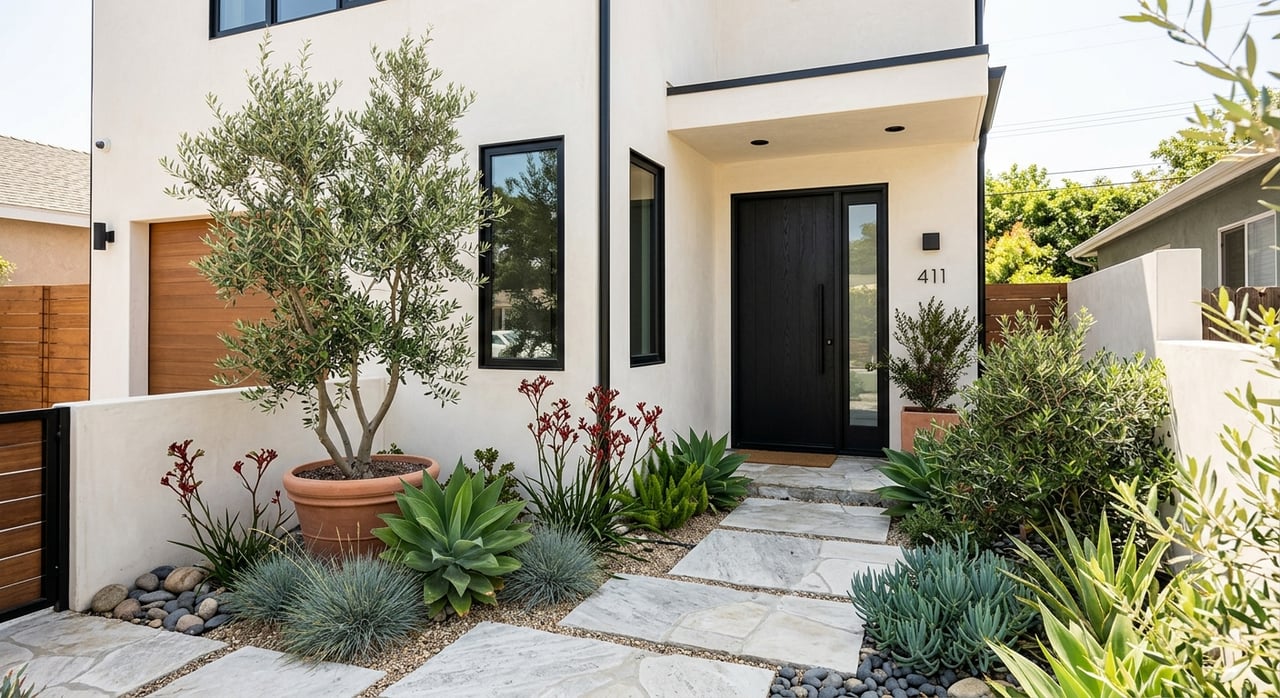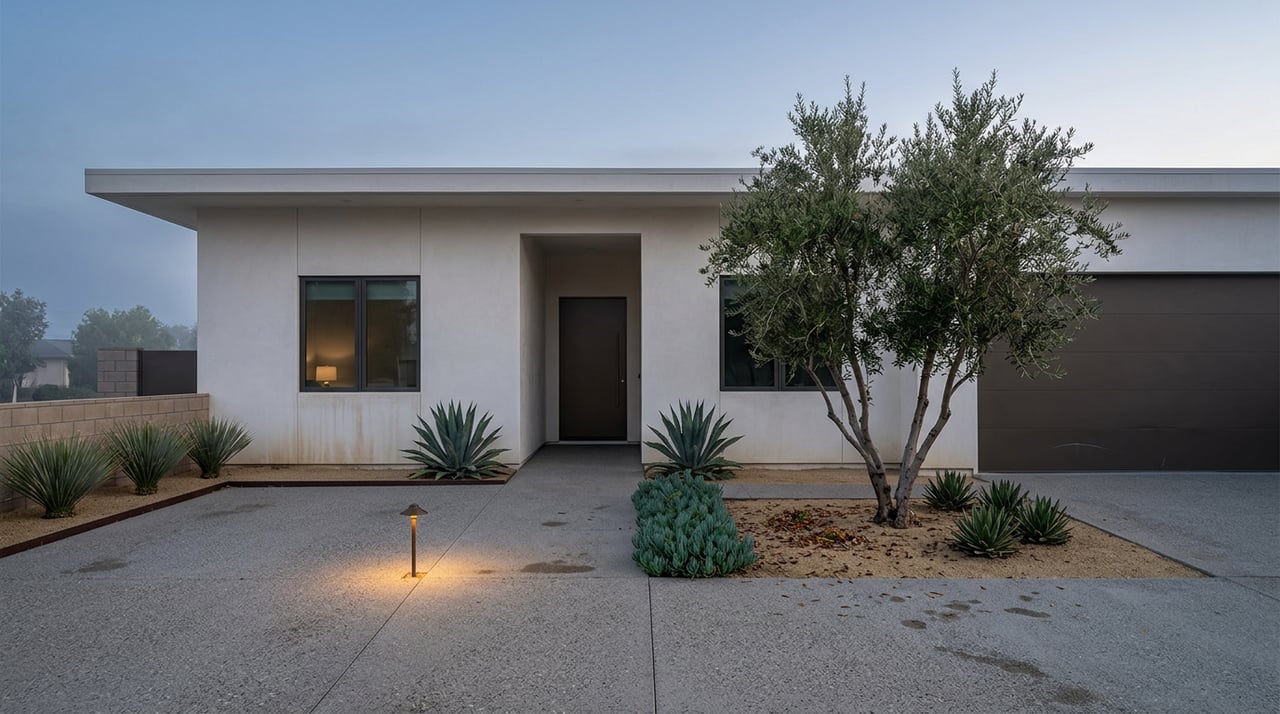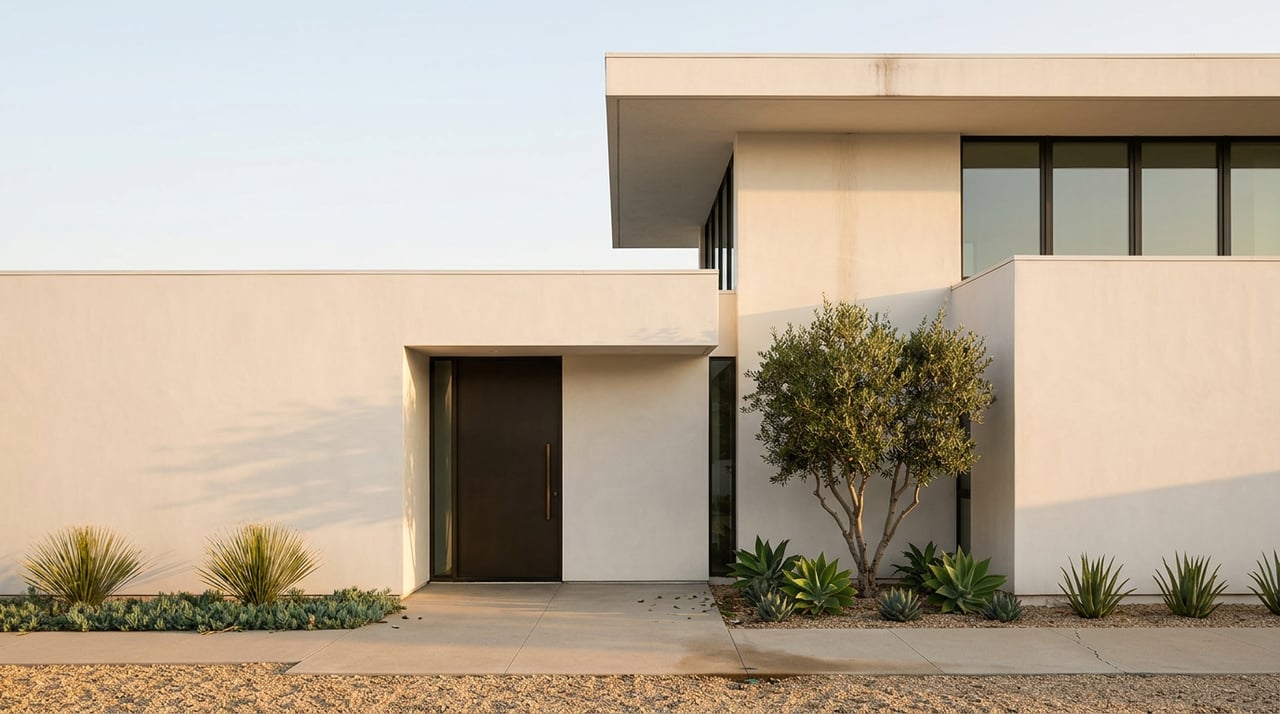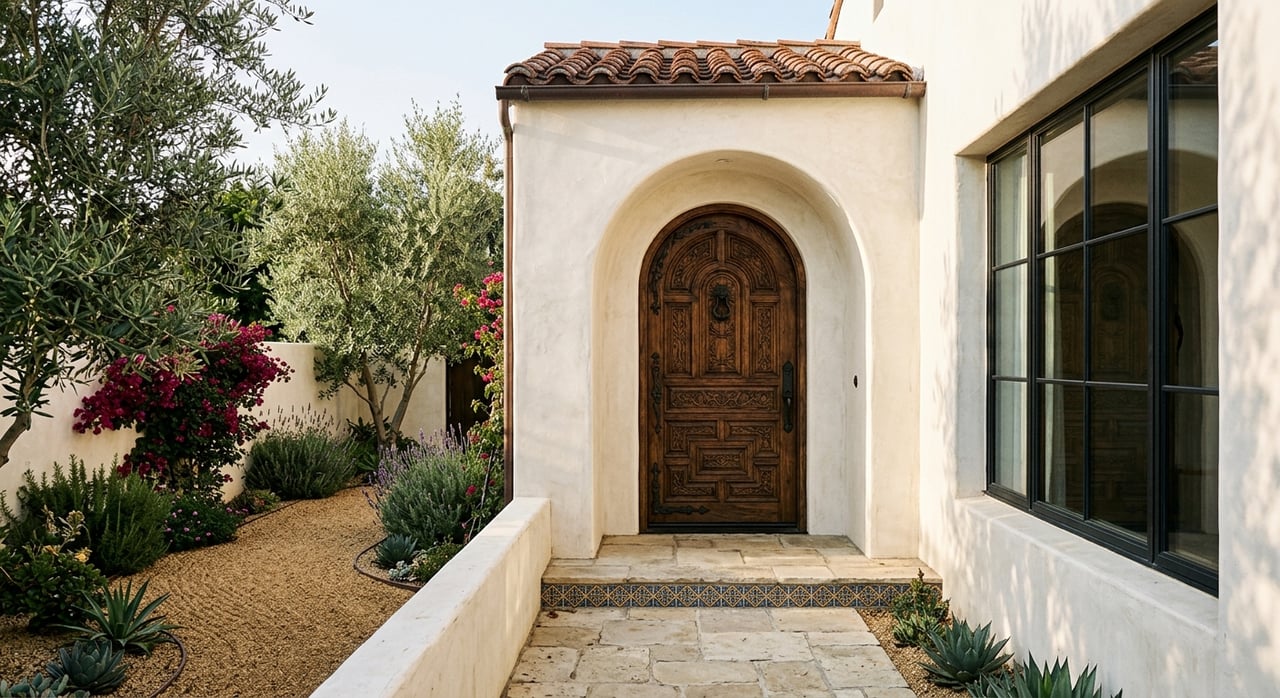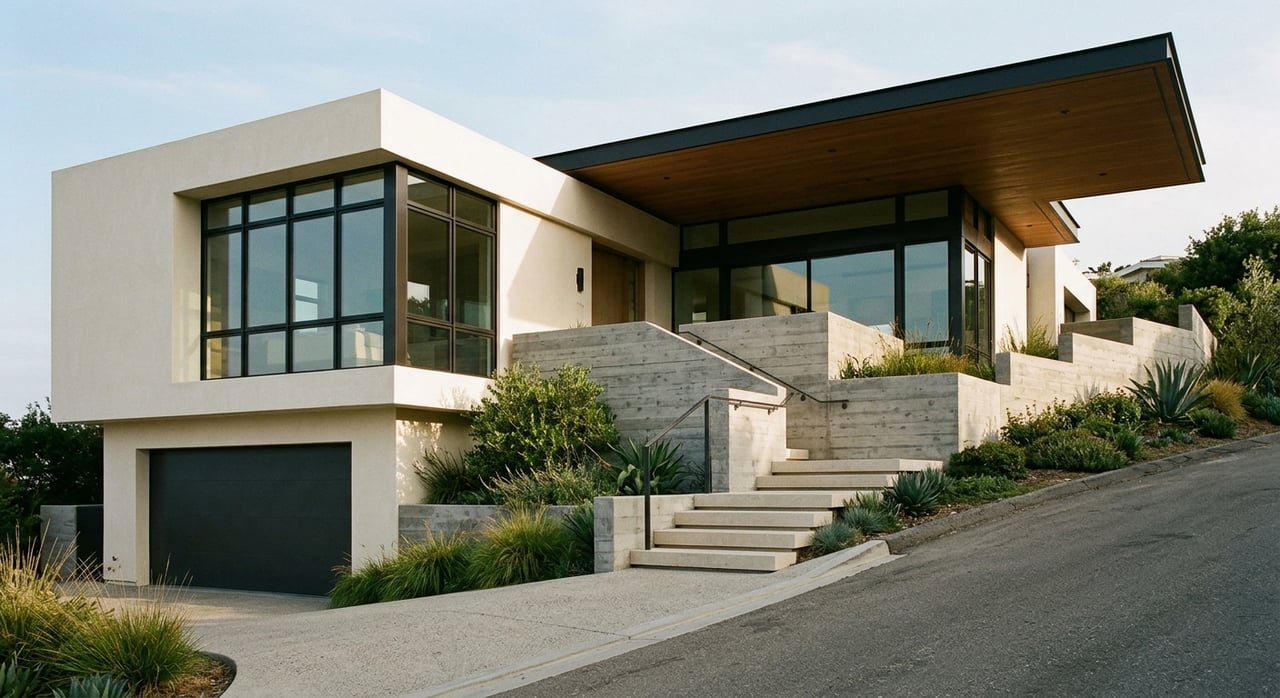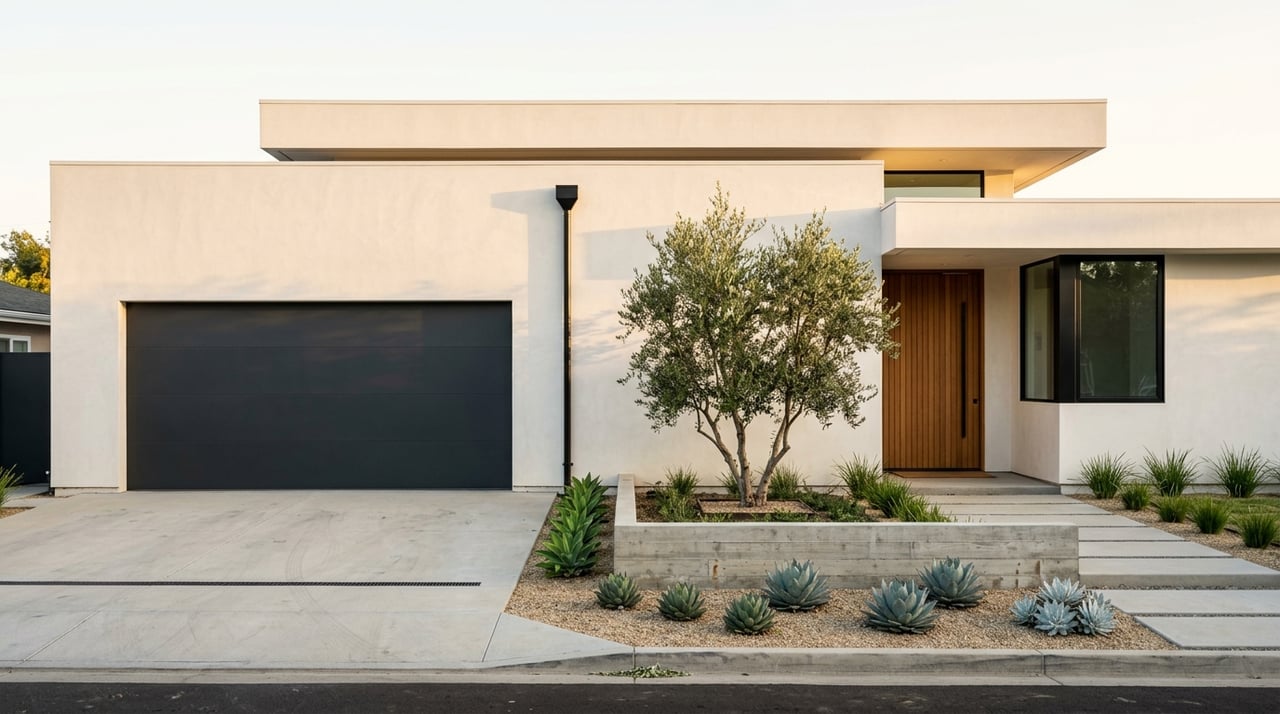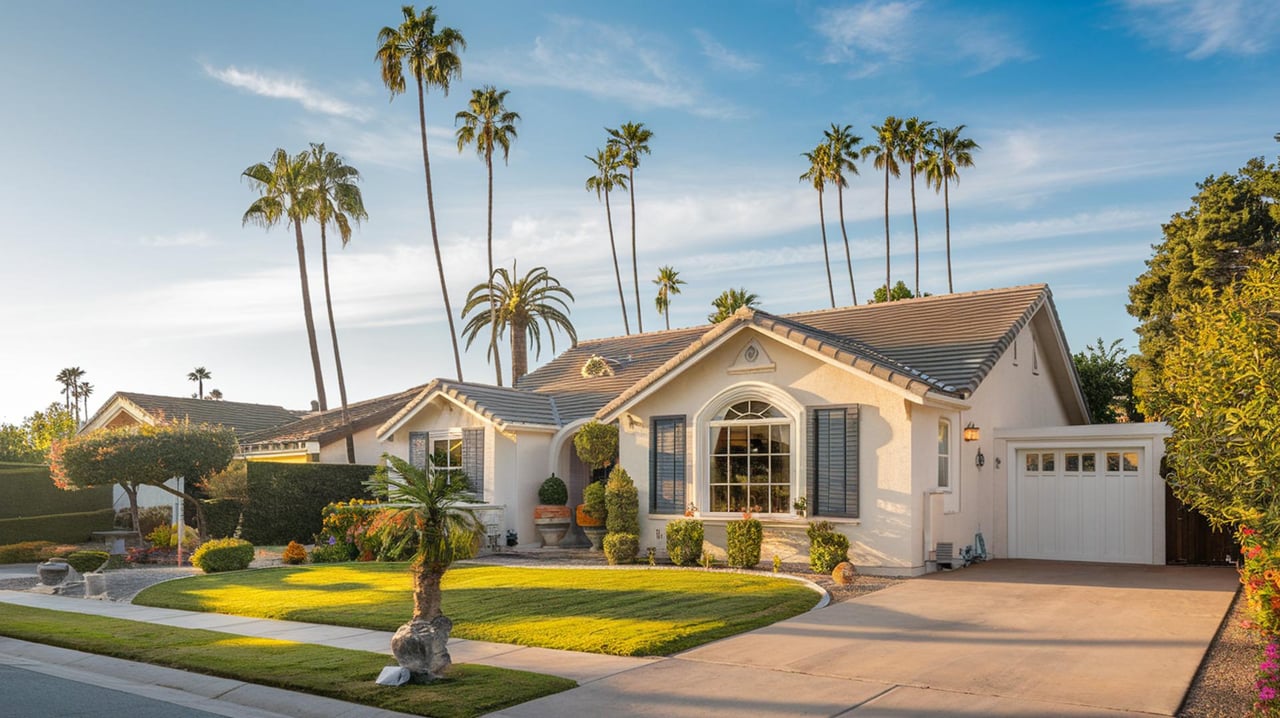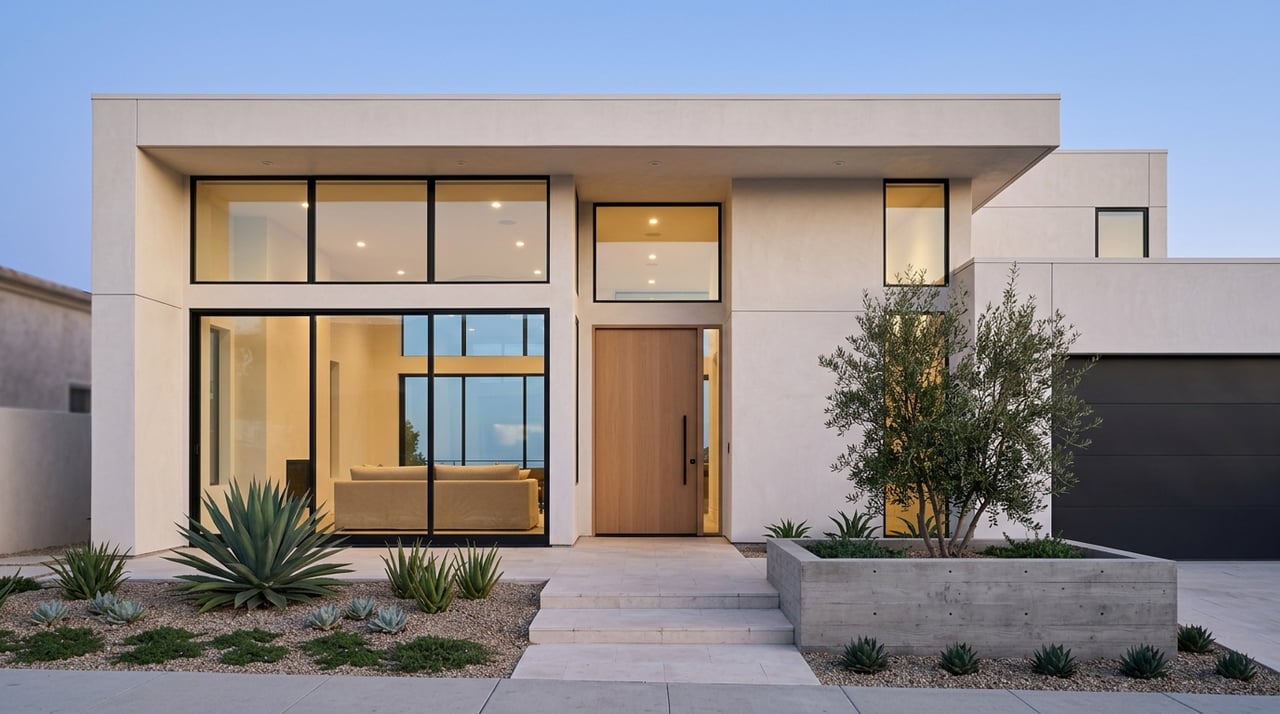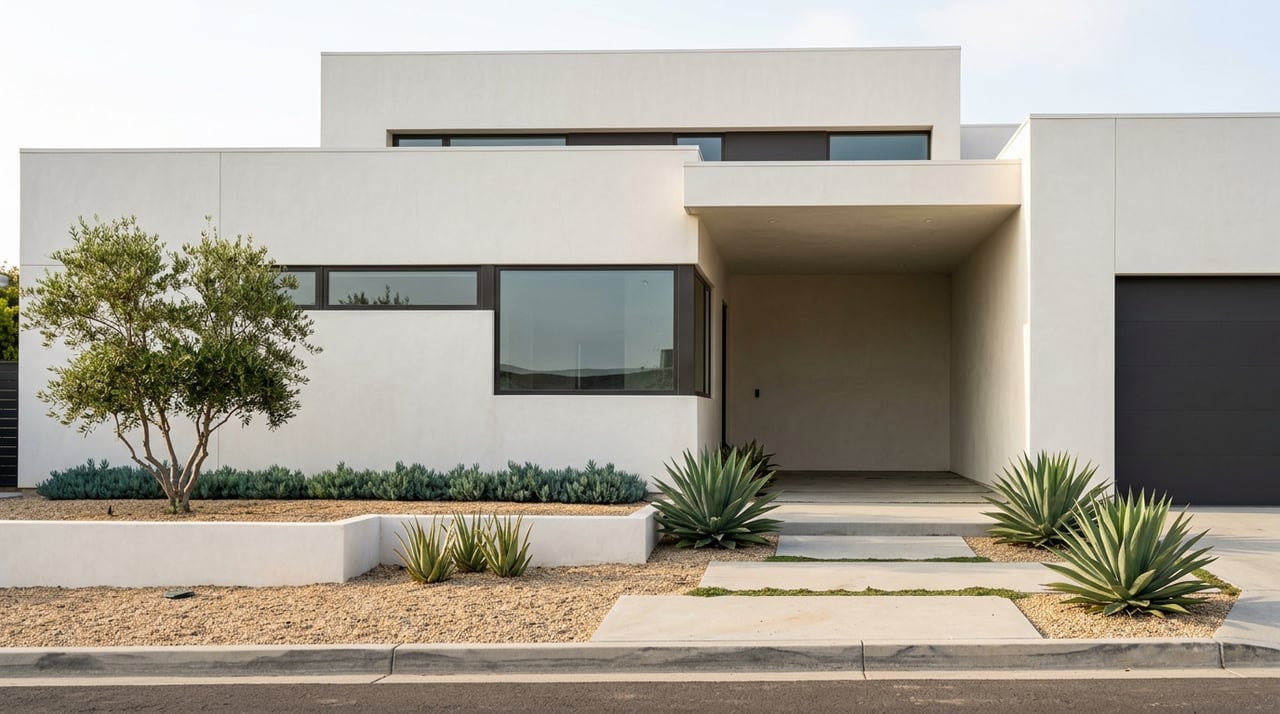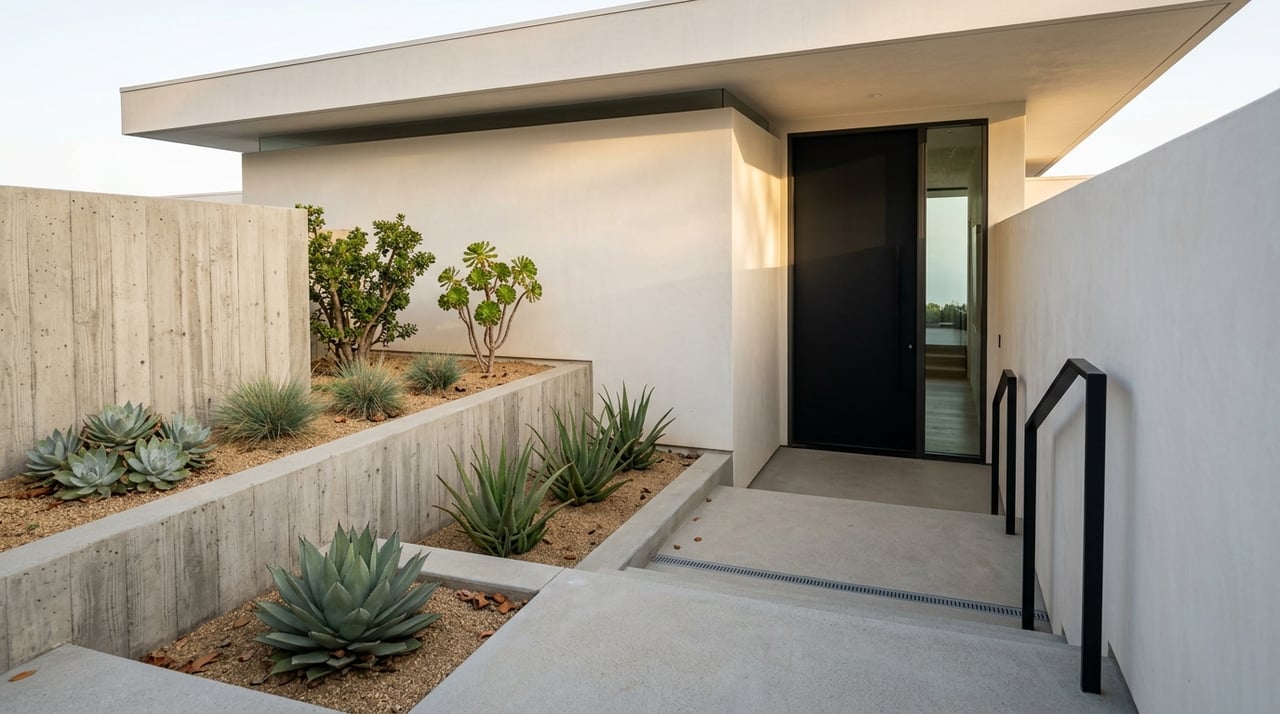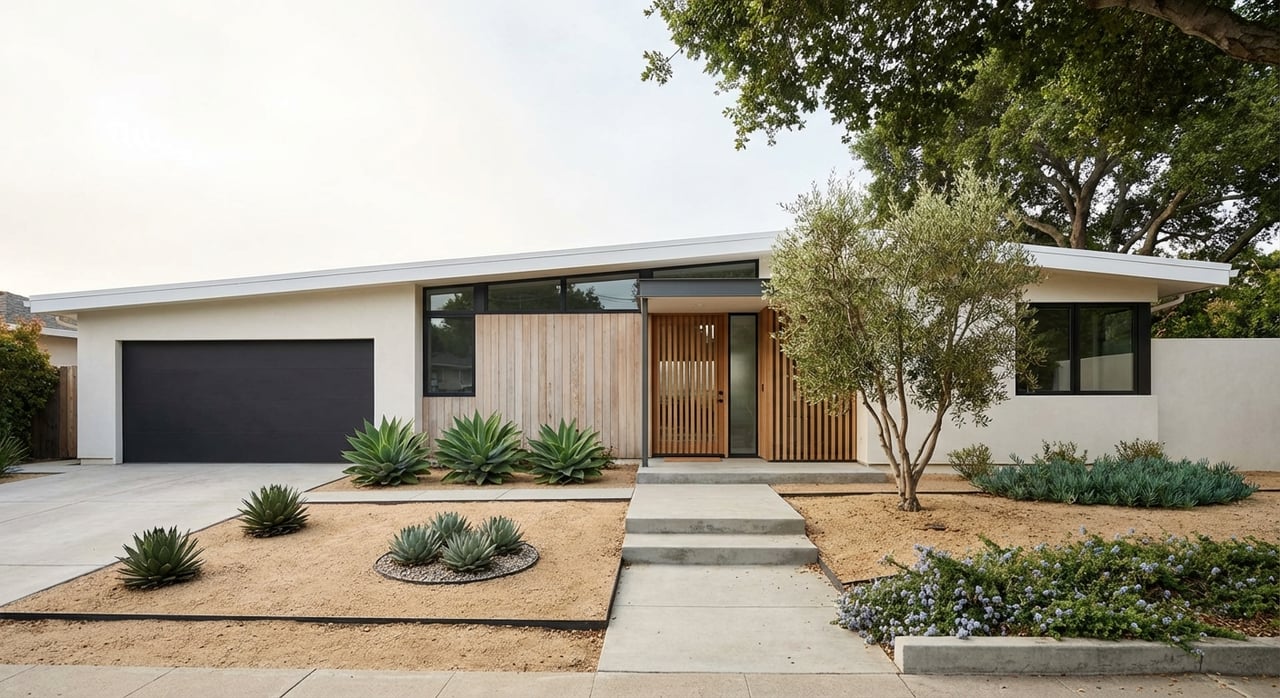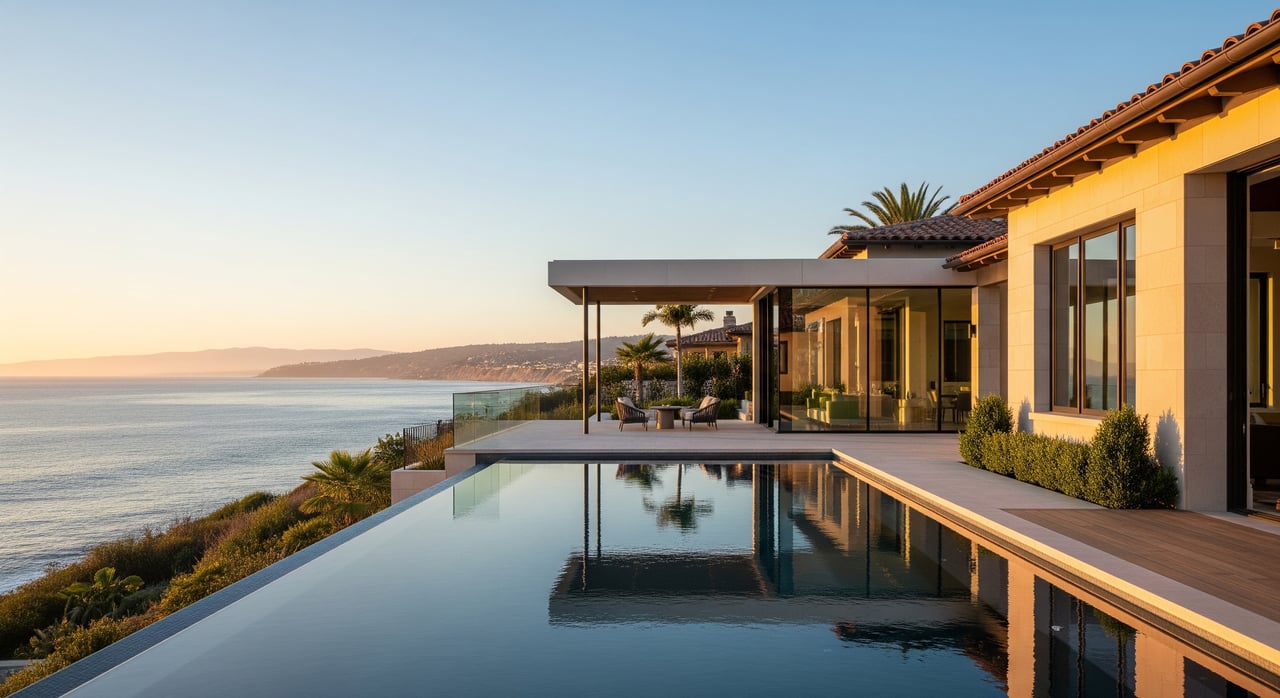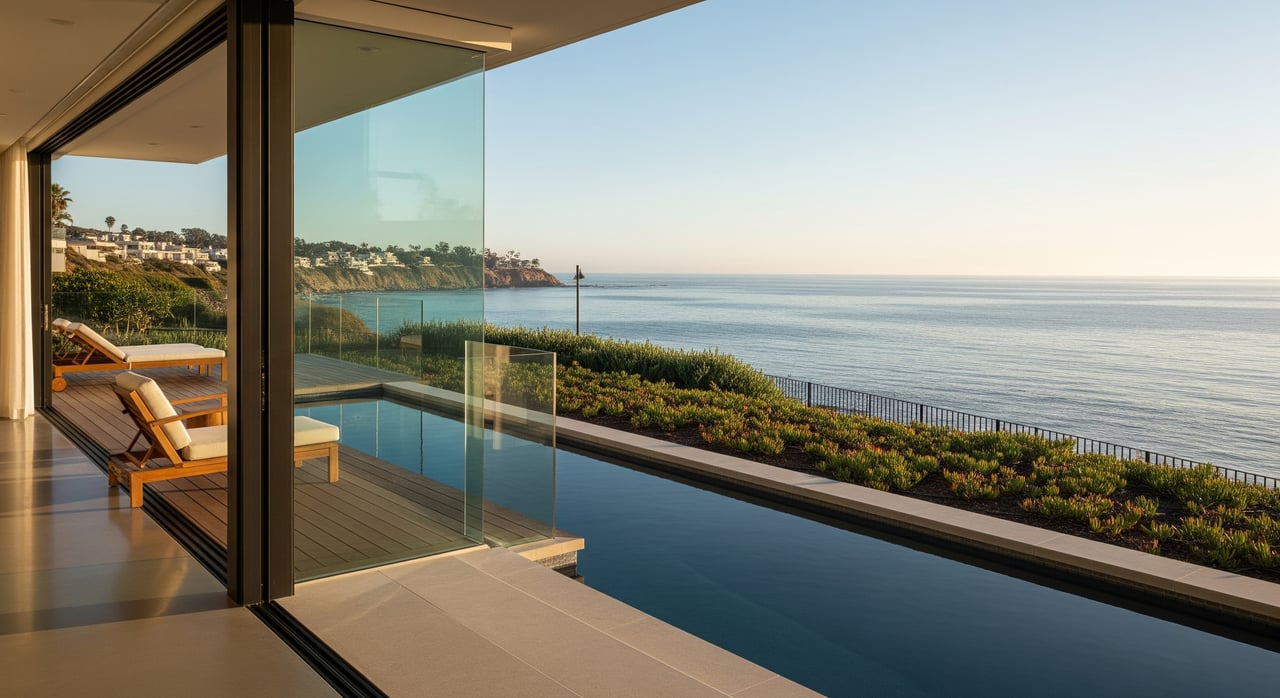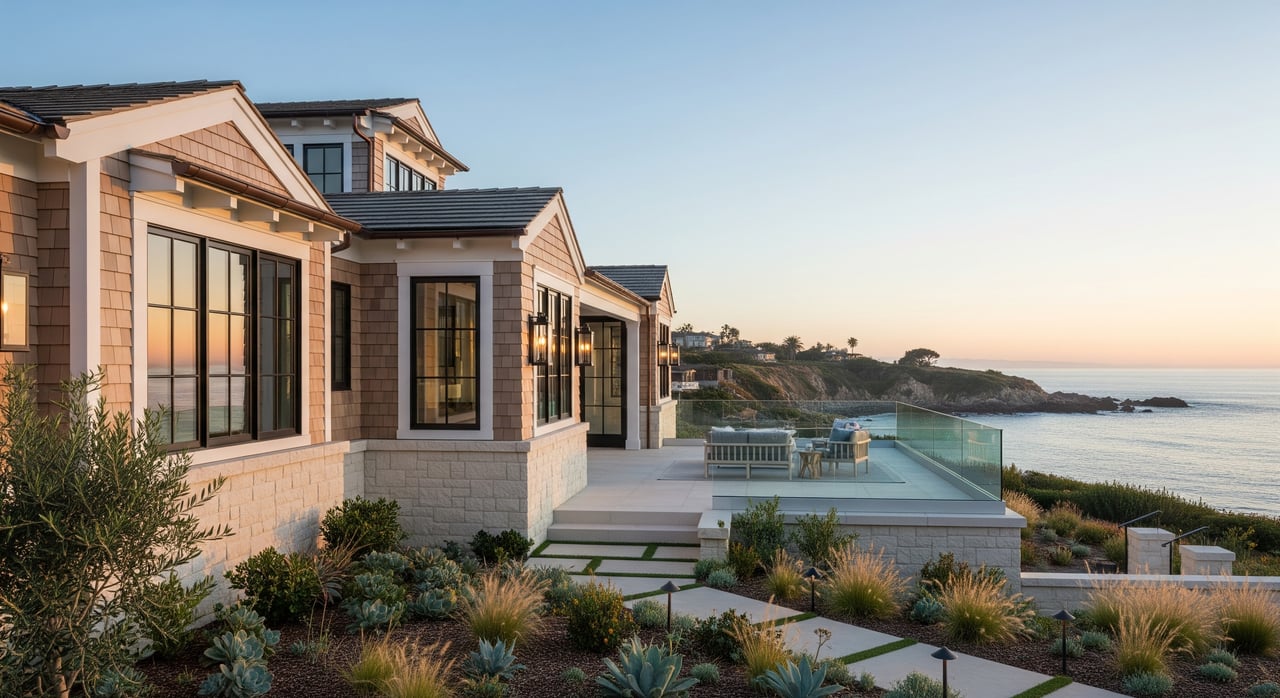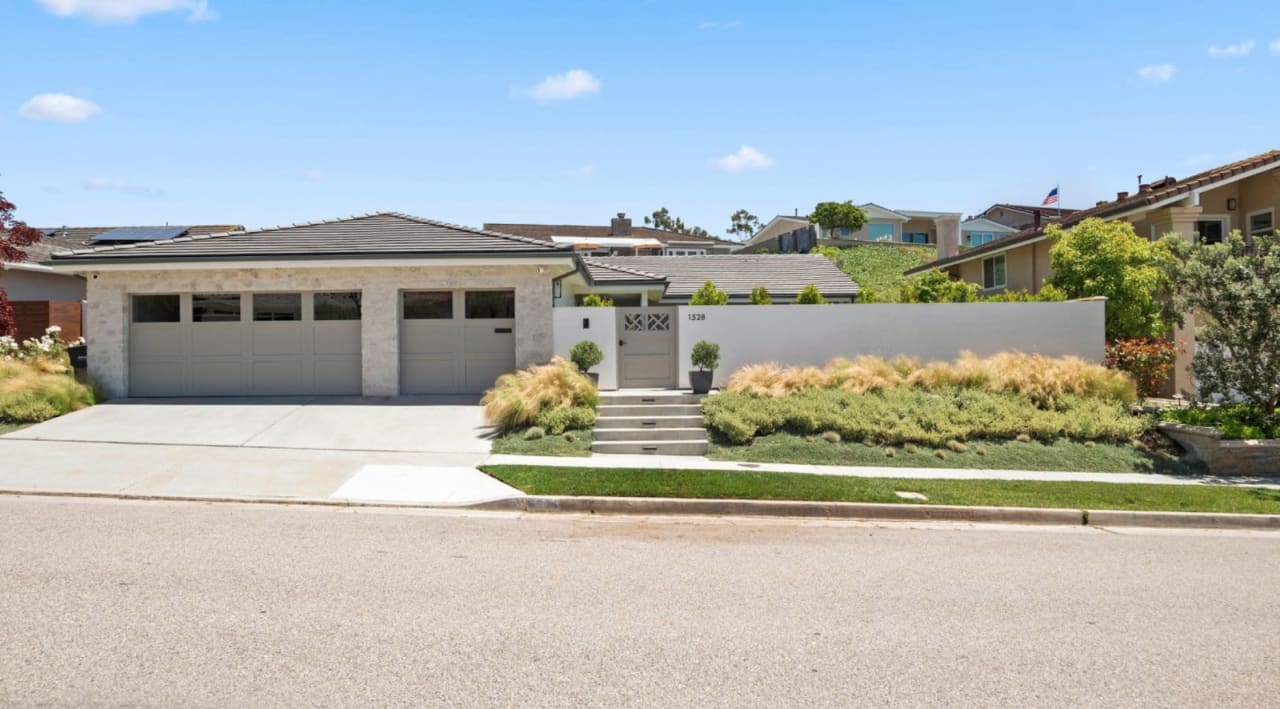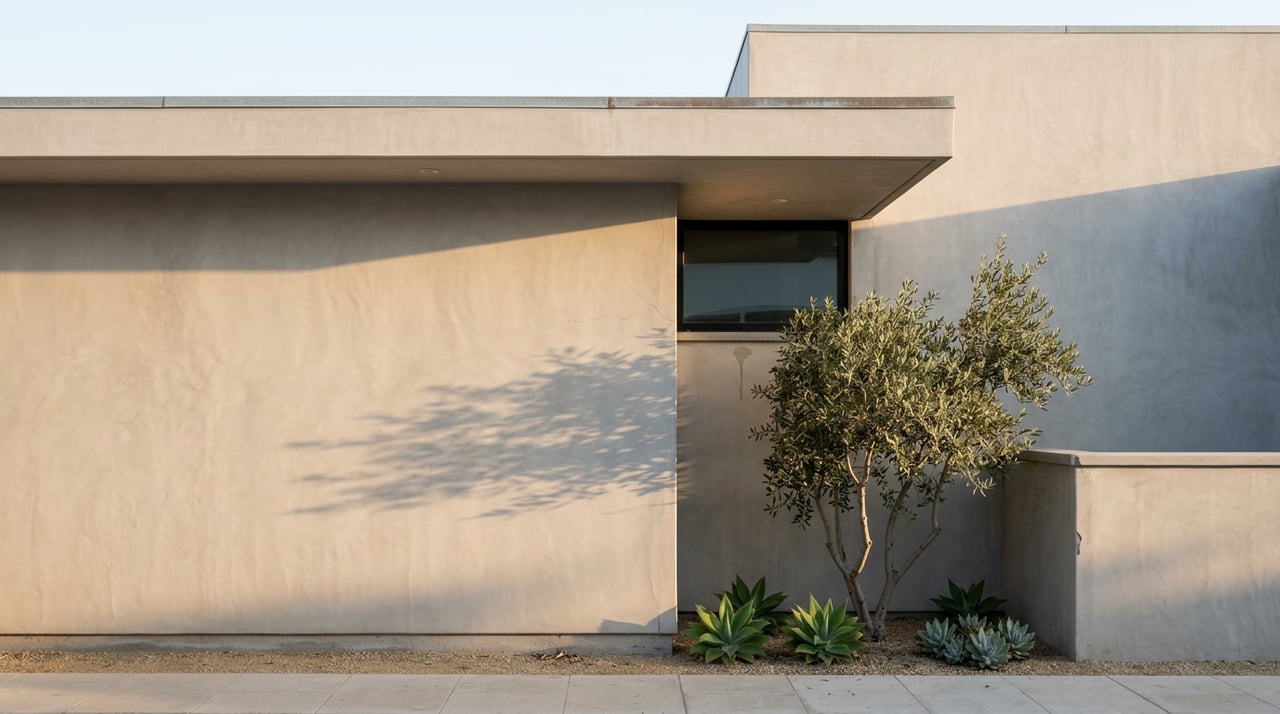
A buyer touring a 1940s cottage on Heliotrope last spring did the math out loud in the driveway. The listing was priced under $3M, low for Corona del Mar, and her agent had already floated the obvious next question: could it be pushed out toward the alley, up a floor, into something closer to what the buyer actually wanted? It was one of the original narrow parcels that make up that block. The agent pulled up the zoning code on his phone before answering.
That pause is the story most median-price headlines about Corona del Mar skip entirely. The number that shows up on a portal search, somewhere near $4.4M as of August 2026, describes no house in particular. It is the average of two markets that happen to share a zip code, and the gap between them is exactly where a buyer's rebuild plans either survive contact with the city or don't.
One Number, Two Very Different Houses
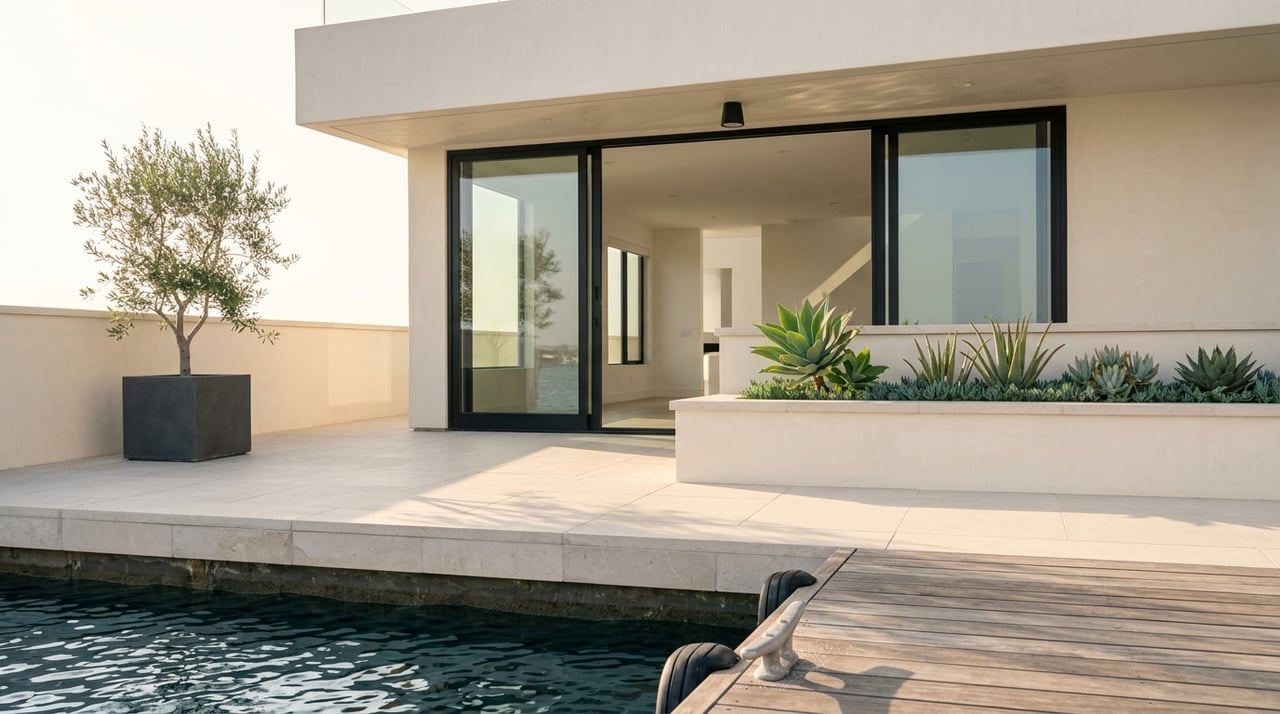
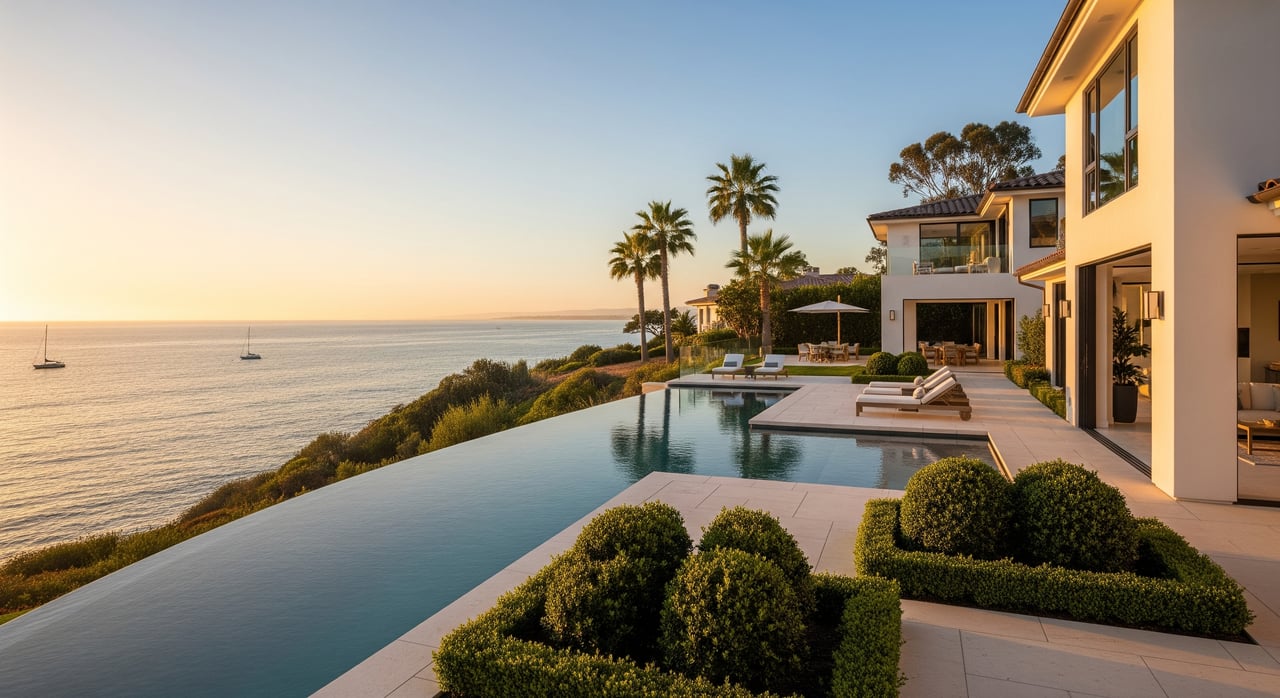
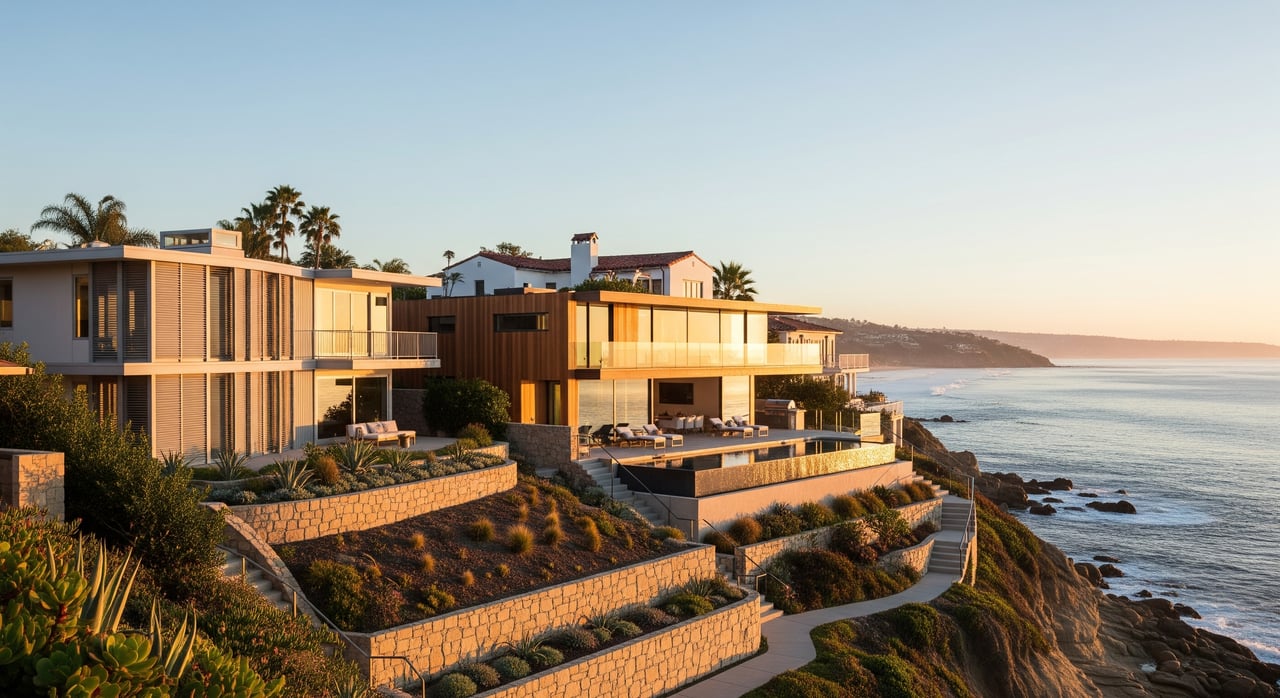
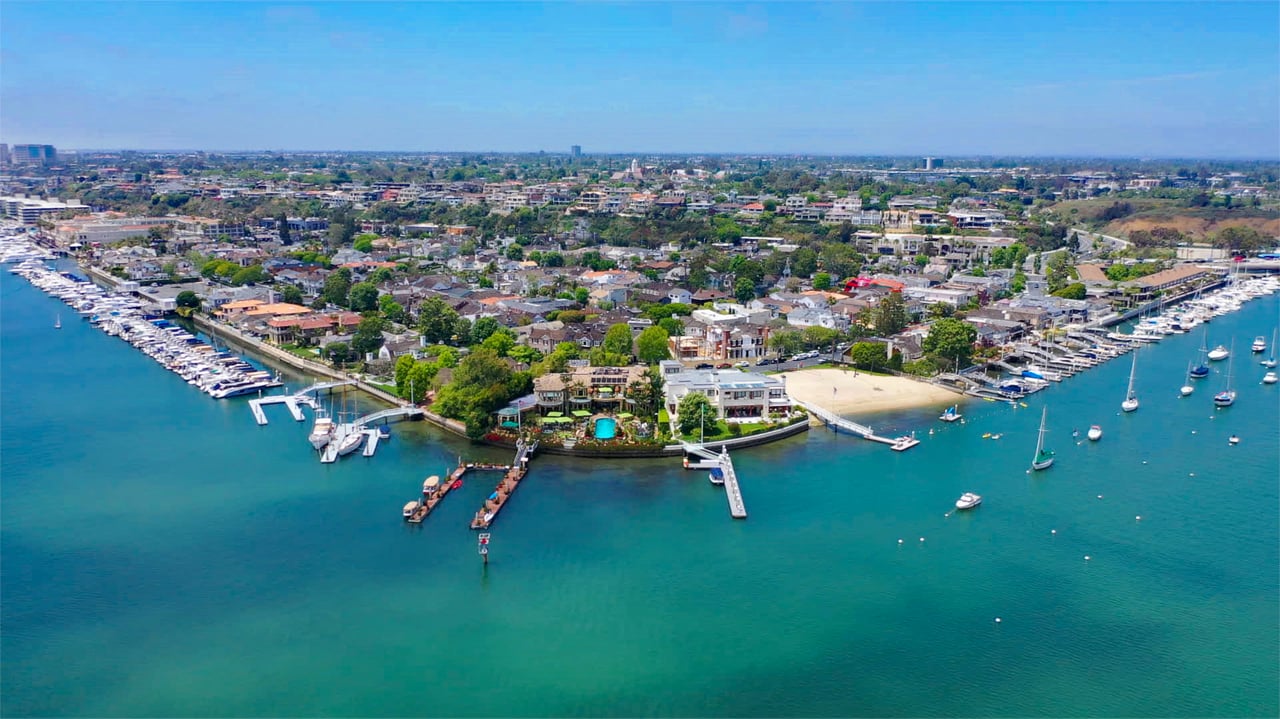
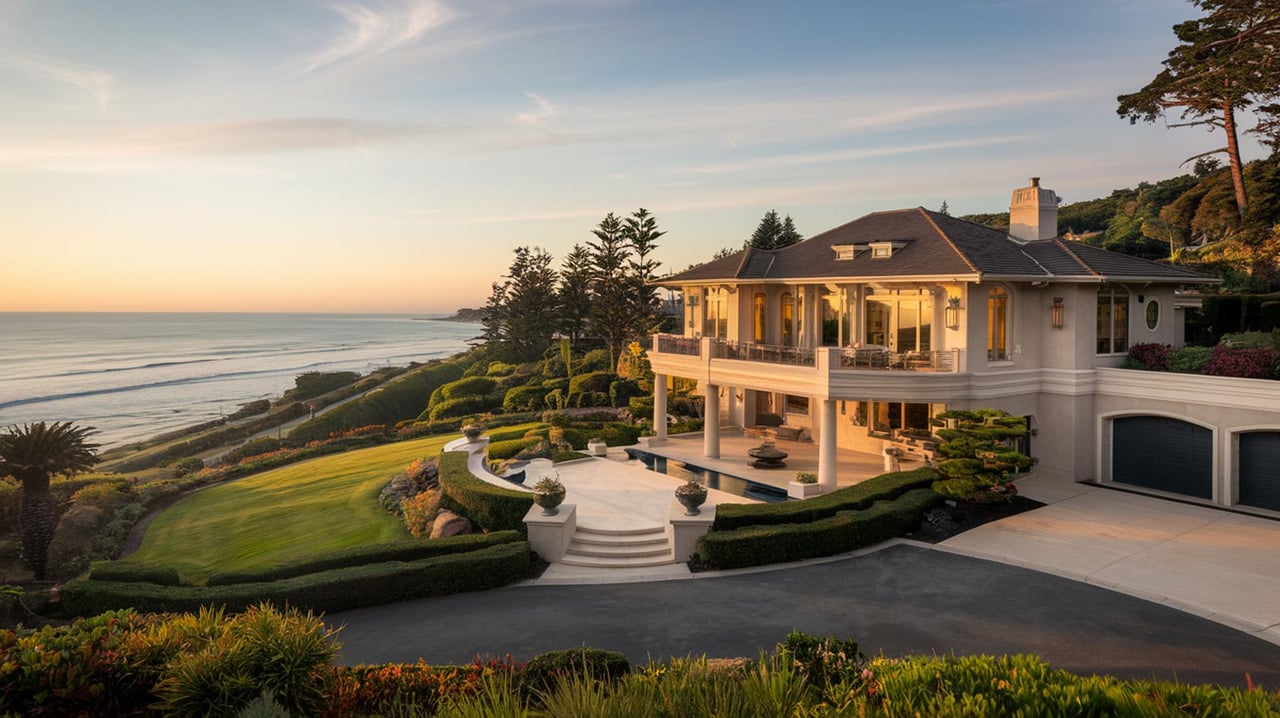
Corona del Mar's 92625 zip code carries listings from Village half-lots and condos priced around $2.7M to $3.2M up through bluff-top and China Cove waterfront estates that clear $22M. Standalone single-family homes on ordinary R-1 lots, the kind most buyers picture when they say "Corona del Mar," have been trending toward $7.7M to $8M through 2026. Blend all of that together and you get a citywide median that sits in the middle of nothing, useful for tracking direction, not for telling a buyer what their budget actually reaches.
The market underneath that number has also been giving buyers more room to negotiate than the headline figure suggests. As of this summer, more than a third of active CdM listings have carried price reductions, and virtually none of the recent sales closed above the original asking price. A cottage priced at a discount isn't always a bargain. Sometimes it's priced that way because the current owner already pushed the structure as far as the lot and the code allow, and there's nowhere left to grow.
| Segment | Typical Price Range | What Actually Caps the Home's Size |
|---|---|---|
| Village half-lots and condos | roughly $2.7M to $3.2M | Small lot footprint itself, before zoning becomes the binding limit |
| Standalone single-family, Flower Streets and similar R-1 blocks | trending toward $7.7M to $8M through 2026 | A 1.5x floor area ratio cap on buildable area |
| Bluff-top and China Cove waterfront | $22M and up | FAR plus bluff setback and view corridor review stacked on top |
The Zoning Rule That Actually Sets the Ceiling
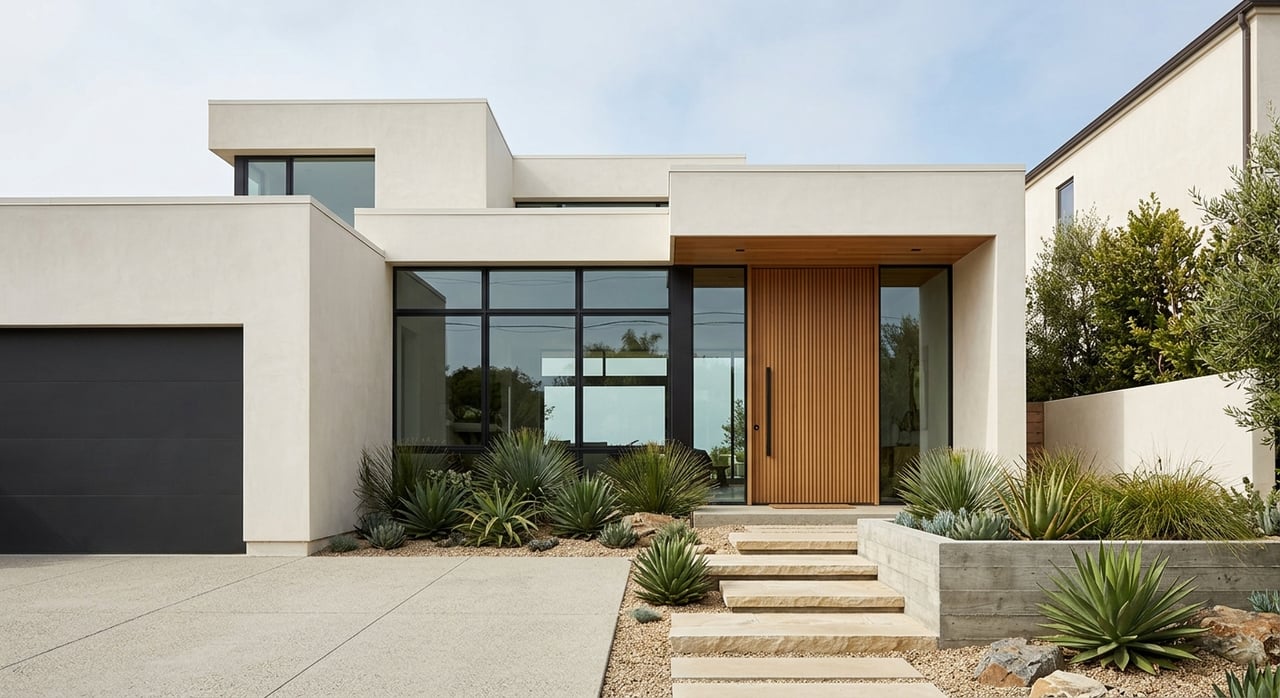
Most of Newport Beach's R-1 single-family lots allow a maximum floor area of 2.0 times the buildable area, the lot size minus required setbacks. Corona del Mar carries a stricter version of that same rule: 1.5 times buildable area, not 2.0. It's a smaller multiplier applied to lots that were already small to begin with, and it is the single fact that separates what a listing photo promises from what a renovation permit will actually approve.
The practical effect is that a "great bones" cottage on one of Corona del Mar's original narrow lots has far less room to expand than the same square footage would allow just a few blocks outside the Corona del Mar boundary. Any buyer running renovation numbers on a CdM lot needs that buildable-area calculation done before making an offer, not after.
The Cottage Preservation Trade
Newport Beach's City Council adopted a cottage preservation program on January 25, 2022, aimed at owners of the smaller, older homes that define the Flower Streets and similar blocks. It's voluntary. In exchange for keeping a home within a defined cottage-scale envelope, the program allows eligible remodels to add up to 50 percent of the existing floor area or 750 square feet, more room than the standard FAR math alone would otherwise permit on some lots.
The envelope comes with real limits:
- The front half of the lot is capped at one story and 16 feet
- The rear half is capped at two stories and 24 feet
- Third floors and third-floor decks are prohibited outright
For a buyer weighing a charming original cottage against a full rebuild, that's the actual decision. The cottage program can unlock more square footage than baseline zoning allows, but only within a shape the city has already decided how to draw.
Why the 50 Percent Rule Forces So Many Teardowns
Layered underneath all of this is a separate code trigger that has quietly decided the fate of more CdM cottages than the preservation program has saved. Newport Beach Municipal Code Section 15.02.060 requires any remodel whose permit valuation exceeds 50 percent of the dwelling's market value to meet full new-construction building code standards, not the lighter standard applied to smaller renovations.
In practice, a modest kitchen expansion or a second bathroom addition can tip a project over that threshold once contractor costs are counted against an older home's lower baseline value. Owners then face a choice between scaling back the renovation or absorbing the cost of bringing the entire structure up to new-construction code. Many decide the second option only makes sense if they're rebuilding anyway. That single valuation rule, more than any aesthetic trend, explains why so many original cottages come down rather than get restored.
What's Already Disappeared
The Corona del Mar Historical Society, founded in 2020, ran a survey that spring counting 540 pre-1960 cottages remaining in the community. By the time a follow-up count was done, 16 more had been demolished, dropping the total to 524. The society's own estimate is that more than 70 percent of the original cottage stock has already been torn down.
That scarcity is doing real work on price. A remaining cottage that can plausibly qualify for the preservation program, staying under the 50 percent valuation threshold while adding meaningful square footage, is a genuinely different asset than a similar-looking home that's already been pushed past that line by a prior owner's renovation history. The listing photos won't tell you which one you're looking at. The permit history will.
What This Means When You're Touring Listings
Before treating any Corona del Mar cottage as a rebuild opportunity, it's worth asking three questions that don't show up on the listing sheet: what is the lot's buildable area after setbacks, has any prior owner already used up renovation headroom under the 50 percent valuation rule, and would the home qualify for the cottage preservation envelope if a future remodel needed the extra square footage it allows.
Homes in Irvine Terrace, a roughly 390-home subdivision built by the Irvine Company in the 1950s on terraced streets above Newport Harbor, carry their own height limits aimed at preserving views and consistency across that subdivision, a reminder that CdM's zoning texture varies block to block even within the same R-1 designation. A buyer comparing a Flower Streets cottage to a postwar Irvine Terrace home isn't just comparing two houses. They're comparing two different sets of rules about how large either one is ever allowed to become.
Frequently Asked Questions
Does the cottage preservation program apply automatically to older Corona del Mar homes? No. It's a voluntary election an owner makes when applying for a remodel permit, trading a defined building envelope for added floor area allowance.
Is the 1.5x floor area ratio the same everywhere in Corona del Mar? It applies to R-1 zoned lots specifically. Some planned communities within CdM, including Irvine Terrace, layer their own height and view standards on top of the base zoning, so the effective limit can vary by subdivision.
If you're weighing a Corona del Mar cottage against a full rebuild, or trying to figure out what a lot's buildable area actually allows before you write an offer, that's a conversation worth having before you fall for the listing photos. Golding Realty works these lots and this code block by block, and Mary Golding is available to walk through the numbers with you directly. Schedule a private consultation to start.